How to Harden Off Seedlings Before Planting Outdoors: A Complete Guide
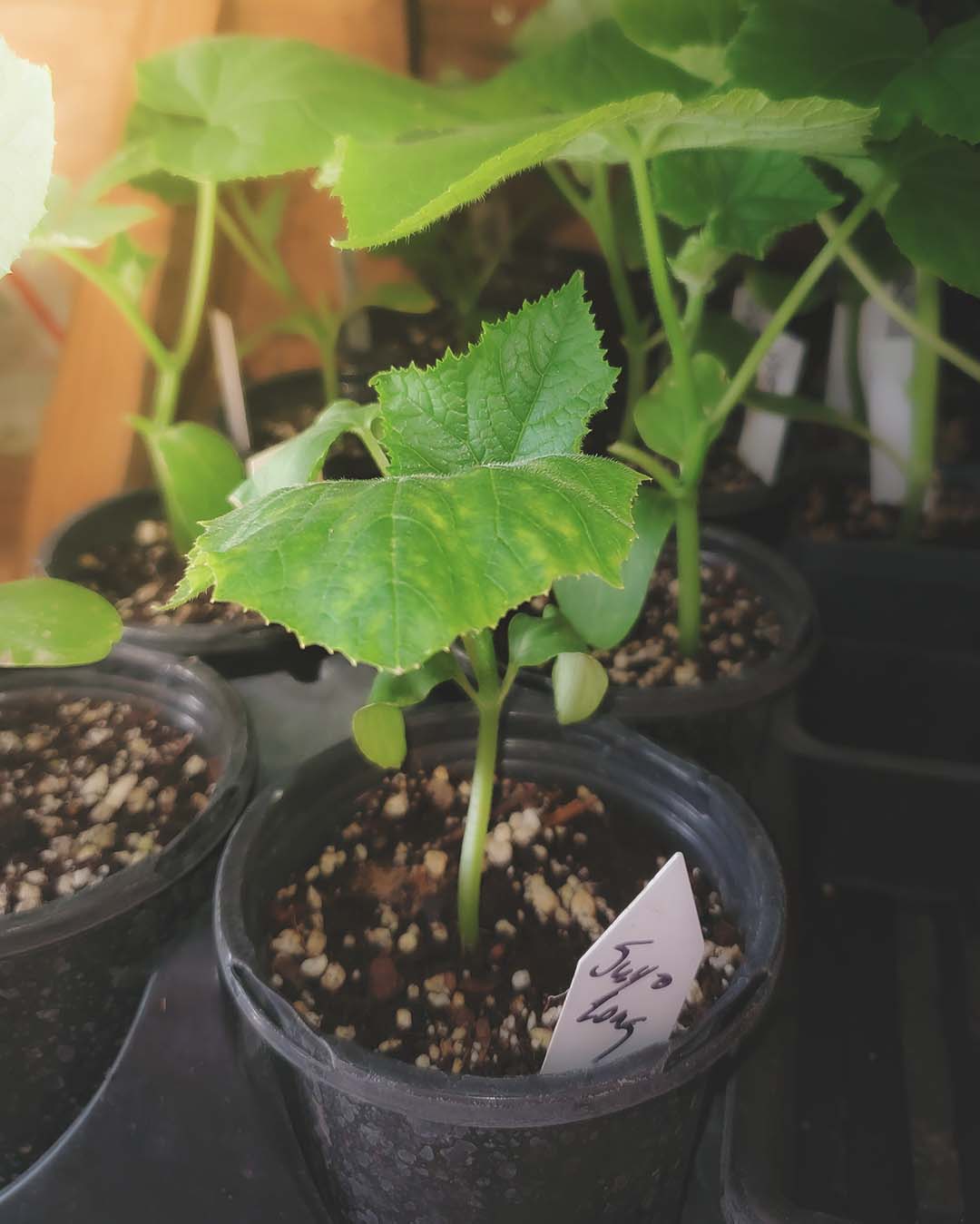
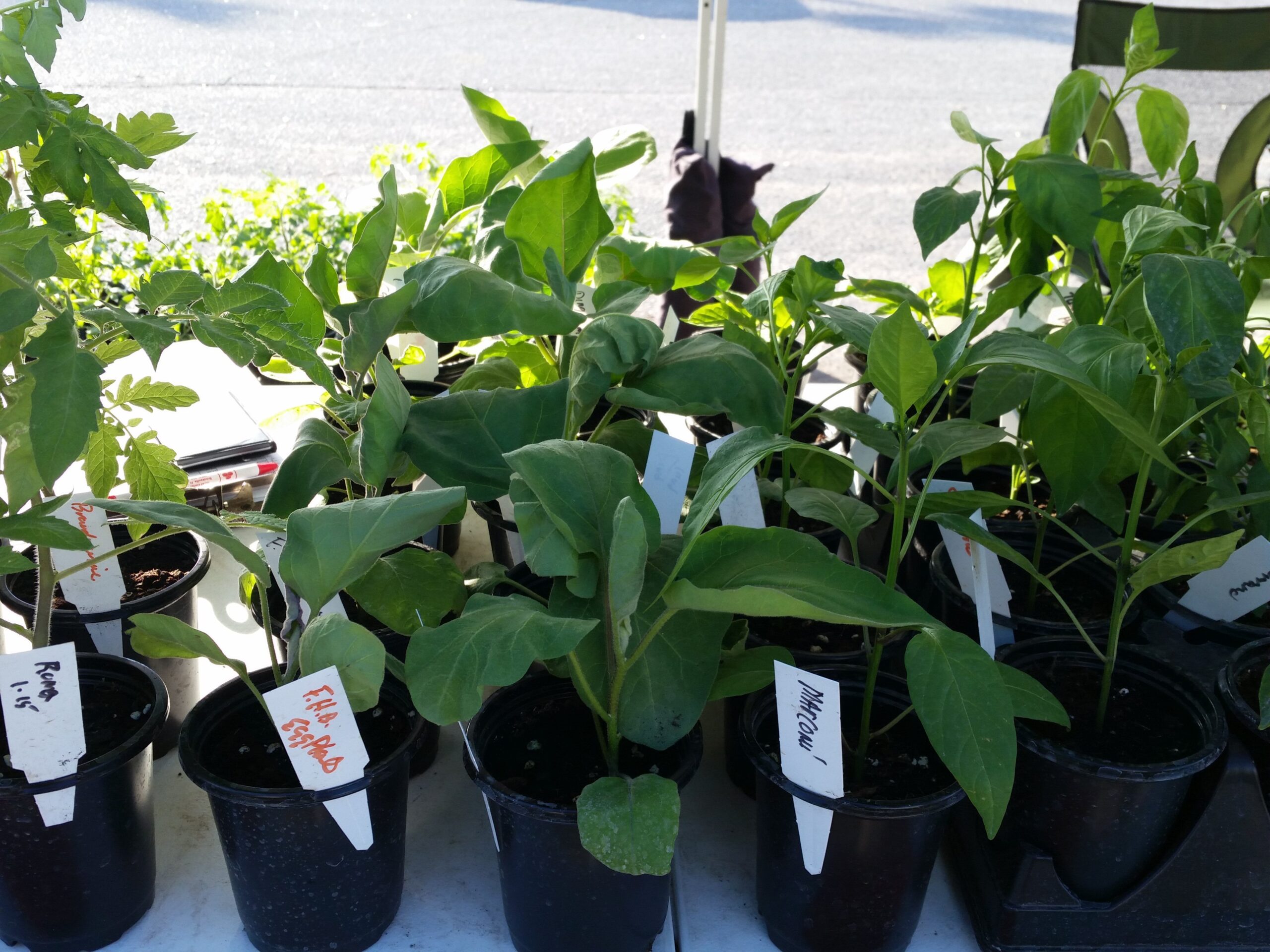
Hardening off seedlings is one of the most important steps in the seed-starting process. After growing indoors under protected conditions, young plants need time to adjust to the sun, wind, temperature changes, and overall stress of outdoor life.
If seedlings are moved directly from indoors to the garden without this transition, they can become shocked, scorched, stunted, or even die.
By hardening off seedlings gradually, gardeners can help young plants adapt safely and improve their chances of thriving after transplanting.
Tomatoes are one of the most common transplants, so you may also want to read How to Grow Tomatoes in Southern Gardens.
What Does Hardening Off Mean?
Hardening off is the process of slowly introducing indoor-grown seedlings to outdoor conditions before planting them in the garden.
This gradual transition helps seedlings adjust to:
- Direct sunlight
- Wind
- Cooler nights
- Temperature swings
- Less protected growing conditions
Indoor seedlings are usually tender because they have grown in a controlled environment. Hardening off gives them time to develop stronger stems, thicker leaves, and better tolerance for outdoor stress.
Why Hardening Off Is Important
Hardening off helps reduce transplant shock and prepares seedlings for life in the garden.
Benefits of hardening off include:
- Stronger, sturdier plants
- Reduced risk of sunscald
- Better tolerance for wind and temperature changes
- Improved transplant success
- Faster recovery after planting
Skipping this step often leads to weak performance, especially for crops that were started indoors under lights or in a protected window.
If you are new to starting plants from seed, our How to Start Seeds Indoors for Southern Gardens guide is a helpful place to begin.
Peppers also benefit from careful transplanting—learn more in How to Grow Peppers in Southern Gardens.
When to Start Hardening Off Seedlings
Begin hardening off seedlings when:
- They are healthy and have well established roots
- Outdoor planting time is approaching
- Weather conditions are reasonably suitable
Hardening off can take up to two weeks.
For the best seasonal timing in your area, refer to our Southern Vegetable Planting Calendar.
Cool-season transplants like broccoli also need a gradual transition outdoors—see How to Grow Broccoli in Southern Gardens.
How Long Does Hardening Off Take?
In most cases, hardening off takes about:
- 7 to 10 days
Some gardeners move a little faster in mild weather, while tender plants may benefit from a slightly slower process.
The goal is to increase outdoor exposure gradually so seedlings adjust without becoming stressed.
Some plants may be put into the garden directly and covered with a box or shade cloth. Remove the box when the sun is no longer on the plants each day, then put it back. Do this until the plant adjusts.
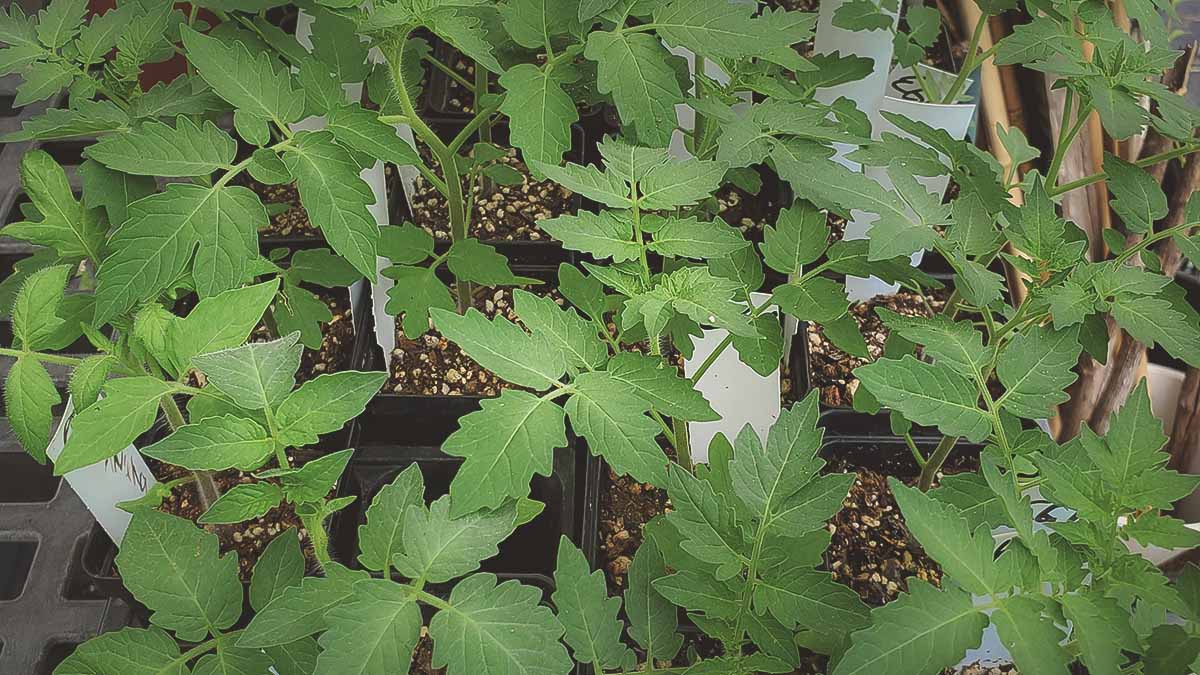
Step-by-Step: How to Harden Off Seedlings
A gradual approach works best.
Day 1–2
Place seedlings outdoors in a sheltered, shaded area for a short period, usually a couple of hours.
Bring them back indoors afterward.
Day 3–4
Increase the amount of time outside and begin introducing a little morning sun if conditions are mild.
Day 5–6
Allow seedlings to spend more of the day outdoors, with some exposure to sun and gentle breeze.
Day 7–10
By the end of the process, seedlings should be spending most of the day outdoors and tolerating normal garden conditions well.
If nights are mild enough for the crop, they may also begin staying outside overnight near the end of the hardening-off period.
Another common transplant crop is cabbage—learn more in How to Grow Cabbage in Southern Gardens.
Signs Seedlings Are Hardening Off Successfully
As seedlings adjust, you may notice:
- Stems becoming stronger
- Leaves thickening slightly
- Plants standing more upright
- Better tolerance to sunlight and breeze
These are signs that the seedlings are becoming more prepared for outdoor planting.
Common Hardening Off Mistakes
Hardening off is simple, but a few common mistakes can set seedlings back.
Too Much Sun Too Quickly
Tender seedlings can burn if placed immediately into strong direct sun.
Leaving Plants Out in Harsh Conditions
Strong wind, heavy rain, or cold temperatures can damage seedlings that are still adjusting.
Forgetting to Water
Seedlings may dry out faster outdoors than they did inside.
Rushing the Process
Moving plants into the garden too quickly can lead to transplant shock.
A slow, steady transition almost always works best.
What Transplant Shock Looks Like
If seedlings are not hardened off properly, they may show signs of transplant shock such as:
- Wilting
- Leaf scorch
- Drooping
- Slow growth
- Yellowing leaves
Even if plants survive, stress can delay growth and reduce early performance in the garden.
How to Water During Hardening Off
Seedlings often dry out more quickly once they begin spending time outdoors.
Helpful watering tips include:
- Check moisture daily
- Water when the growing mix begins to dry
- Avoid letting seedlings wilt repeatedly
- Do not keep containers constantly soggy
Steady moisture helps seedlings stay healthy as they adjust.
When Seedlings Are Ready to Plant
Seedlings are usually ready for transplanting once they have:
- Completed the hardening-off period
- Adjusted to several hours of outdoor conditions
- Strong stems and healthy leaves
- Suitable outdoor planting weather
Once they are hardened off, transplanting is much less stressful and plants usually establish faster.
If you are deciding what crops to plant next, explore our guide on the Best Vegetables for Southern Gardens.