How to Start Seeds Indoors for Southern Gardens: A Complete Guide
Starting seeds indoors is one of the best ways to get a head start on the gardening season. It gives gardeners more control over timing, helps extend the growing season, and makes it easier to grow healthy transplants for the garden.
For Southern gardeners, indoor seed starting can be especially useful for crops that benefit from an early start before outdoor conditions are ideal. It also allows gardeners to grow a wider variety of vegetables from seed rather than relying only on store-bought transplants.
With the right supplies, good lighting, and proper timing, starting seeds indoors can be a simple and rewarding part of your Southern gardening routine.
Why Start Seeds Indoors?
There are several reasons gardeners choose to start seeds indoors instead of sowing everything directly in the garden.
Benefits include:
- Earlier harvests
- Greater control over growing conditions
- Stronger transplants for the garden
- More variety to choose from
- Better planning for seasonal planting windows
For Southern gardens, starting seeds indoors can help gardeners be ready to plant as soon as outdoor conditions are right.
If you are new to growing in warm climates, our Complete Guide to Southern Gardening is a helpful place to start.
Which Crops Are Good for Indoor Seed Starting?
Not every vegetable needs to be started indoors, but many crops benefit from it.
Common vegetables often started indoors include:
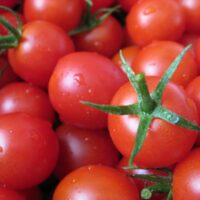
- Tomatoes
- Peppers
- Broccoli
- Cabbage
- Kale
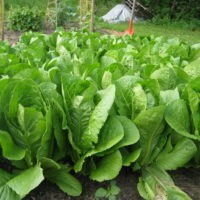
- Lettuce
- Eggplant
- Squash
- Onions
- Cucumbers
Some crops, especially root vegetables and fast-growing plants like beans and radishes, are often better direct sown into the garden.
For ideas on what performs best, explore our guide on the Best Vegetables for Southern Gardens.
When to Start Seeds Indoors in the South
Timing is one of the most important parts of starting seeds indoors successfully.
Most seeds should be started 6-8 weeks before plant out date.
Southern gardeners should base indoor seed starting on:
- The crop being grown
- The expected outdoor planting window
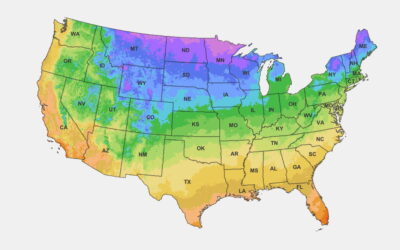
- Local frost dates or seasonal conditions
Some seeds should be started just a few weeks before transplanting, while others may need more lead time.
For the best planting times in your area, refer to our Southern Vegetable Planting Calendar.
A good rule is to work backward from the outdoor planting date so seedlings are ready at the right stage.
Seed Starting Supplies You Will Need
Starting seeds indoors does not have to be complicated, but a few basic supplies make the process much easier.
Helpful seed starting supplies include:
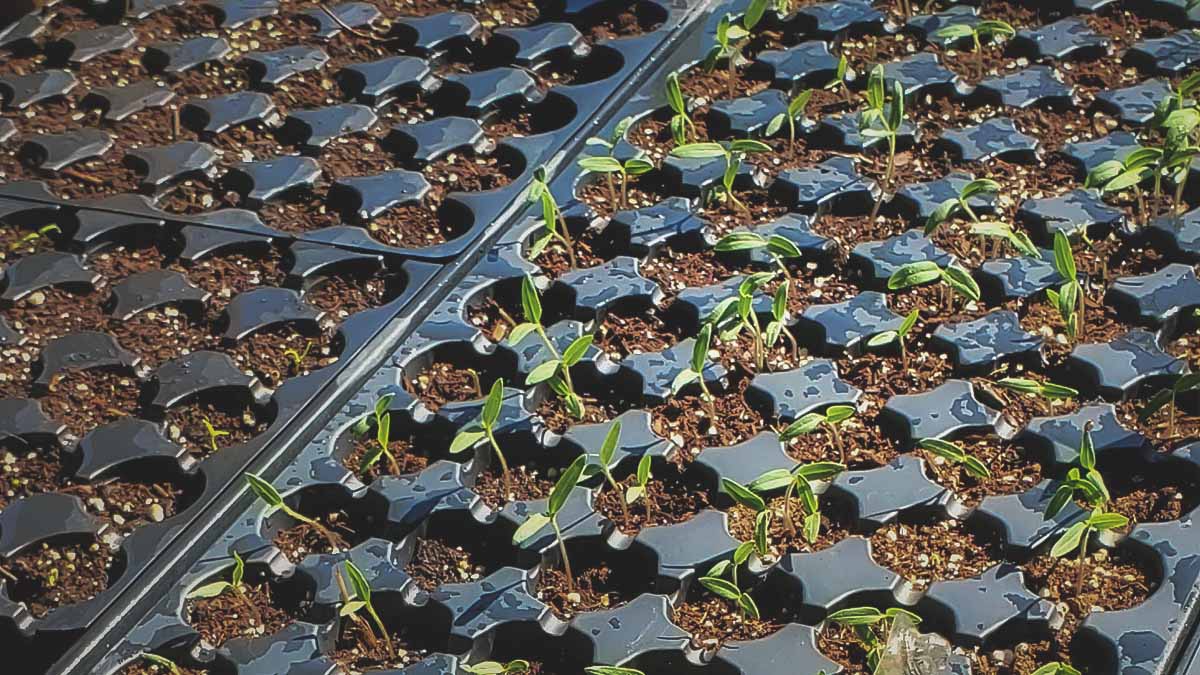
- Seed trays or small containers
- Seed starting mix
- Seeds
- Labels
- Watering tool or spray bottle
- Grow lights or a bright window
- Tray to catch water
Using a light, well-draining seed starting mix is important because garden soil is usually too heavy for indoor seedling production.
For one of the most popular transplant crops, see our guide on How to Grow Tomatoes in Southern Gardens.
Choosing the Right Containers
Seeds can be started in many different types of containers as long as they provide drainage.
Common options include:
- Plastic seed trays
- Cell packs
- Small pots
- Reused containers with drainage holes
The goal is to provide enough space for roots to develop without keeping seedlings in overly large containers that stay too wet.
Using a Good Seed Starting Mix
Seed starting mix is different from standard potting soil.
A good seed starting mix is usually:
- Light
- Fine-textured
- Well-draining
- Designed to hold moisture without becoming soggy
This helps seeds germinate more evenly and reduces the risk of damping off or other problems.
Do not use garden soil, top soil or even potting soil for seed starting. Though some crops may be ok with that type of soil, until you are experienced start all seeds in seed starting mix.
Peppers also benefit from a strong start, so you may want to read our guide on How to Grow Peppers in Southern Gardens.
Planting Seeds Indoors
When planting seeds indoors, always check the seed packet for crop-specific instructions.
As a general process:
- Fill containers with seed starting mix
- Moisten the mix before or after sowing
- Plant seeds at the recommended depth
- Label each variety
- Place trays in a warm location for germination
Some seeds need light to germinate, while others need to be covered, so following packet directions is important.
Depending on the temperature indoors a heating mat may be needed to put trays, cells, pots etc. on for proper germination. Check the seed pack or website for germination temperature. The temperature needs to be consistant and the heating mat supplies that.
How Much Light Seedlings Need
One of the most common problems with indoor seed starting is not providing enough light.
Seedlings need strong light to grow short, sturdy, and healthy.
Best options include:
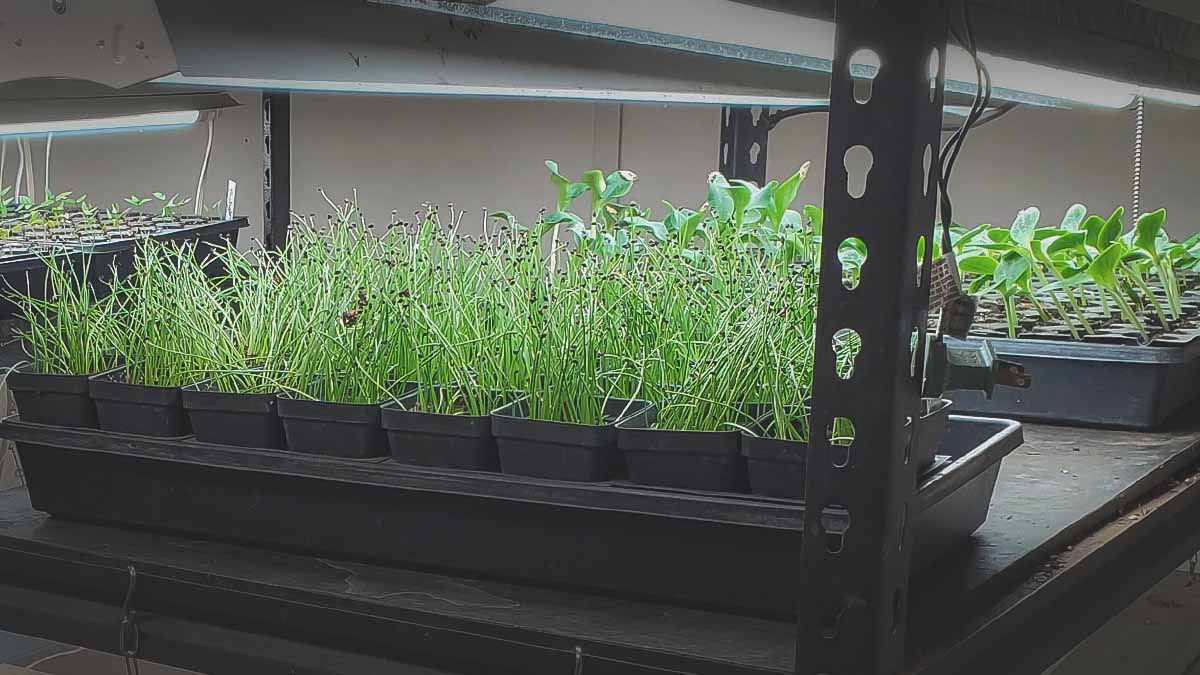
- Grow lights positioned close to seedlings
- Flourescent lights that can be adjusted with daylight bulbs
Without enough light, seedlings often become tall, weak, and leggy.
Lights should be on for 14-16 hours a day, at 4″ or so above plants adjusting as they grow.
Grow lights are usually the most reliable option for indoor seed starting.
Watering Seedlings Properly
Seedlings need consistent moisture, but they should not stay waterlogged.
Helpful watering practices include:
- Keep the mix evenly moist
- Avoid letting seedlings dry out completely
- Water gently to prevent disturbance
- Watering in the tray is best for good root development. But do not leave more water than the plants absorb. Dump out whats left after.
Misting the tops is a good way to keep the soil moist without disturbing the seeds.
Many cool-season crops also start well indoors, including broccoli—see our guide on How to Grow Broccoli in Southern Gardens.
Thinning Seedlings
Sometimes multiple seeds germinate in the same cell or space.
Thinning helps:
- Reduce crowding
- Improve airflow
- Allow the strongest seedling to grow well
Although it can feel wasteful, thinning is often necessary for strong seedling development.
Potting Up Seedlings
As seedlings grow, some may outgrow their original container before it is time to transplant outdoors.
Potting up means moving seedlings into a slightly larger container so roots have room to continue developing.
This is often helpful for crops like:
- Tomatoes
- Peppers
- Brassicas
Potting up gives seedlings more space and helps them continue growing strongly until planting time.
Hardening Off Seedlings
Before indoor-grown seedlings are planted outside, they need to adjust gradually to outdoor conditions.
This process is called hardening off.
Hardening off usually involves exposing seedlings to outdoor sun, wind, and temperature changes little by little over several days.
Skipping this step can shock plants and slow their growth after transplanting.
Another excellent transplant crop is cabbage—learn more in our guide on How to Grow Cabbage in Southern Gardens.
Common Problems When Starting Seeds Indoors
Starting seeds indoors is very manageable, but gardeners may still run into a few common issues.
Leggy Seedlings
This is usually caused by insufficient light.
Poor Germination
Possible causes include:
- Old seed
- Incorrect planting depth
- Improper temperature
- Too much or too little moisture
Damping Off
This fungal problem can affect young seedlings, especially in overly wet or poorly ventilated conditions.
Overcrowding
Too many seedlings in one space can reduce airflow and create weak plants.
Transplanting Seedlings into the Garden
When seedlings are healthy, hardened off, and outdoor conditions are right, they can be transplanted into the garden.
Helpful transplanting tips include:
- Water seedlings before transplanting
- Plant during mild weather if possible
- Water well after planting
- Protect young plants from sudden stress
Strong transplants give gardeners a head start and can improve success with many crops.
Why Seed Starting Is Valuable for Southern Gardeners
Seed starting indoors gives Southern gardeners more flexibility and better control over seasonal planting windows.
In Southern Gardens indoor seed starting helps crops mature before the high heat and humidity kicks in.
It also opens the door to growing more heirloom and specialty varieties that may not be available as local transplants.
For gardeners who want to get the most from their seed purchases, learning to start seeds indoors is a valuable skill.
Starting Seeds Indoors Successfully for Southern Gardens
Starting seeds indoors is one of the best ways to build a stronger, more productive Southern garden. With the right supplies, strong light, steady moisture, and good timing, gardeners can grow healthy seedlings ready for transplanting.
Whether you are starting tomatoes, peppers, broccoli, or leafy greens, indoor seed starting can help you stay ahead of the season and grow a wider range of crops successfully.
With practice, seed starting becomes one of the most useful skills a home gardener can develop.