How to Grow Cabbage in Southern Gardens: A Complete Growing Guide
Cabbage is one of the most useful and rewarding cool-season crops you can grow in a home garden. Its dense heads, versatility in the kitchen, and strong performance during cooler weather make it a favorite for gardeners who want productive harvests outside the heat of summer.
In Southern gardens, cabbage grows best during fall, winter, and early spring, depending on the local climate. While it does not tolerate prolonged summer heat well, it can thrive in warm-climate gardens when planted at the proper time.
With rich soil, steady moisture, and good planting timing, cabbage can be a dependable addition to a Southern vegetable garden.
Why Cabbage Grows Well in Southern Gardens
Cabbage is well suited to Southern gardens when grown during the cooler parts of the year.
Some of the reasons gardeners enjoy growing cabbage include:
- Strong cool-season performance
- Excellent for fall, winter, and early spring gardens
- Productive harvests from a relatively small space
- Good storage potential after harvest
- Suitable for garden beds and raised beds
Because Southern gardens often have long cool-season growing windows, cabbage can be a very productive crop when planted correctly.
If you’re deciding what else to grow during the cool season, explore our guide on the Best Vegetables for Southern Gardens.
When to Plant Cabbage in the South
Timing is one of the most important parts of growing cabbage successfully in Southern climates.
Because cabbage prefers cool temperatures, it is usually planted during:
- Late winter or early spring
- Late summer for fall harvests
- Fall and winter in mild Southern climates
In many Southern gardens, fall is often the best time to grow cabbage because plants can mature as temperatures cool and remain productive through mild winter weather.
For the best planting times in your area, refer to our Southern Vegetable Planting Calendar.
Choosing the Right Planting Location
Cabbage grows best in a location that provides:
- Full sun
- Fertile, well-drained soil
- Good airflow
- Enough room for heads to develop fully
Because cabbage plants can become fairly large, proper spacing is important for airflow and healthy growth.
Raised beds are often a great option because they improve drainage and make soil preparation easier.
Preparing Soil for Cabbage
Cabbage grows best in rich, loose soil with good drainage and plenty of organic matter.
Before planting, prepare the bed by:
- Removing weeds and debris
- Loosening compacted soil
- Mixing in compost or other organic matter
- Raking the surface smooth
As a leafy, head-forming crop, cabbage benefits from fertile soil that supports strong vegetative growth.
If you are new to growing in warm climates, our Complete Guide to Southern Gardening is a helpful place to start.
How to Plant Cabbage
Cabbage can be started from seed or grown from transplants.
Many gardeners prefer using transplants because cabbage takes time to mature and transplants provide a head start.
Planting Depth
If direct sowing, sow seeds about:
- ¼ to ½ inch deep
If transplanting, set seedlings at the same depth they were growing in the container.
Spacing
Cabbage needs enough room to form full heads.
As a general guide:
- Space plants about 18-20″ inches apart, depending on variety
- Leave enough room between rows for airflow and access
Always check the seed packet or plant label for exact spacing recommendations.
Watering Cabbage
Cabbage needs steady, consistent moisture to grow well and form solid heads.
Helpful watering practices include:
- Keep soil evenly moist
- Water deeply rather than lightly
- Avoid letting the soil dry out completely
- Use mulch to help retain moisture and regulate temperature
Inconsistent watering can slow growth and lead to lower-quality heads.
Fertilizing Cabbage
Cabbage benefits from fertile soil and moderate feeding during the growing season.
A good approach includes:
- Starting with compost-rich soil
- Using a balanced vegetable fertilizer if needed
- Feeding moderately during active growth
Because cabbage is grown for a large edible head, good soil fertility is especially important.
Common Problems When Growing Cabbage
Cabbage is generally dependable in the cool season, but gardeners may still encounter a few common issues.
Loose or Small Heads
If cabbage does not form firm heads, possible causes include:
- Poor soil fertility
- Crowding
- Inconsistent watering
- Heat stress
- Splitting Heads
If cabbage heads are left in the garden too long or receive irregular moisture, they may split.
Aphids
Cabbage may attract aphids, especially on tender leaves and new growth.
If pests appear, read our guide on Aphids on Vegetable Plants: How to Identify and Control Them.
Caterpillars
As a brassica crop, cabbage may also attract chewing insects. Regular inspection helps gardeners catch problems early.
Harvesting Cabbage
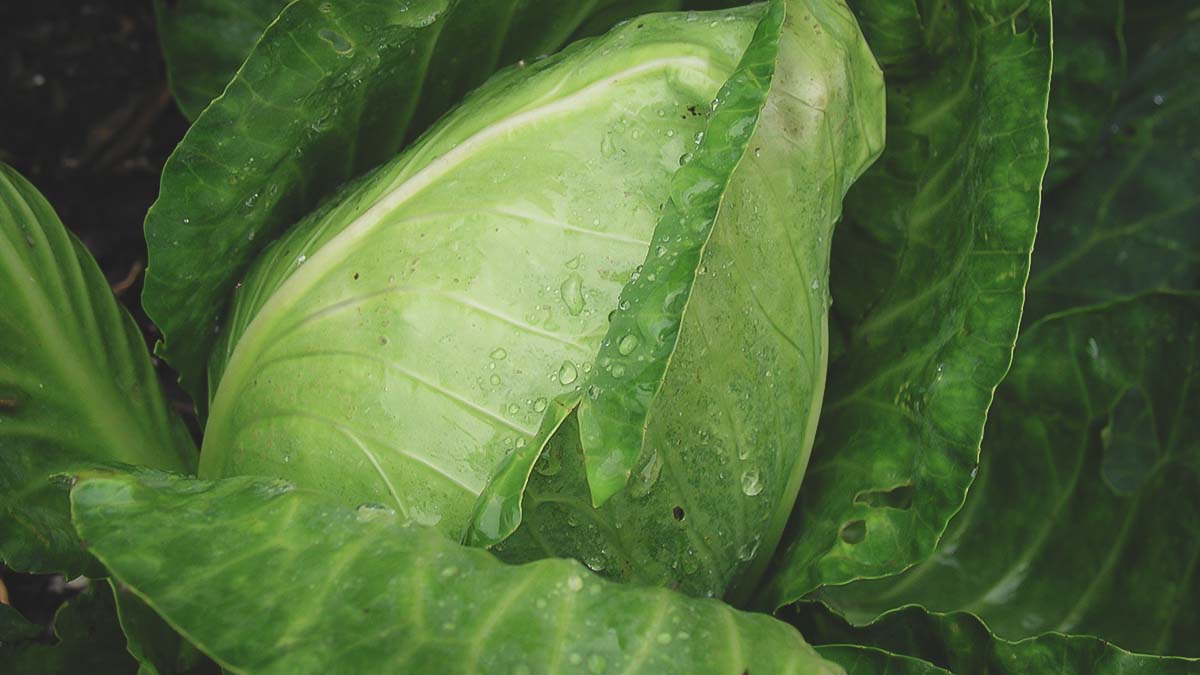
Cabbage should be harvested when heads are firm and have reached a useful size for the variety.
Use a clean knife to cut the head at the base, leaving the outer leaves and root system behind if desired.
Some varieties may occasionally produce smaller secondary growth after the main head is removed, though the primary harvest is usually the main goal.
Fresh cabbage can be used in slaws, salads, soups, sautés, and many cooked dishes.
Why Cabbage Is a Great Cool-Season Crop
Cabbage is especially valuable in Southern gardens because it makes excellent use of the cooler growing windows when summer crops are not performing.
It is practical, productive, and useful in the kitchen, making it a smart choice for gardeners who want substantial harvests during fall, winter, and early spring.
For gardeners looking to expand their cool-season planting plans, cabbage is an excellent crop to include.
Growing Cabbage Successfully in Southern Gardens
Cabbage is a dependable and productive crop for Southern gardeners when planted during cool weather. With fertile soil, consistent moisture, and proper timing, it can produce healthy, firm heads that are useful in many meals.
Because it performs best outside the heat of summer, cabbage is an excellent addition to fall, winter, and early spring gardens.
With the right planting window and basic care, cabbage can become a reliable part of your Southern vegetable garden.