I just love this time of year.
The process of selecting all the different types of vegetables I’m going to plant and imagining myself out there reaping the harvest is so exciting. And if, like me, you start your own seeds, you get the added benefit of getting your garden going and enjoying your vegetables a couple of months sooner.
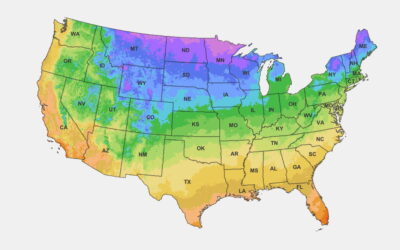
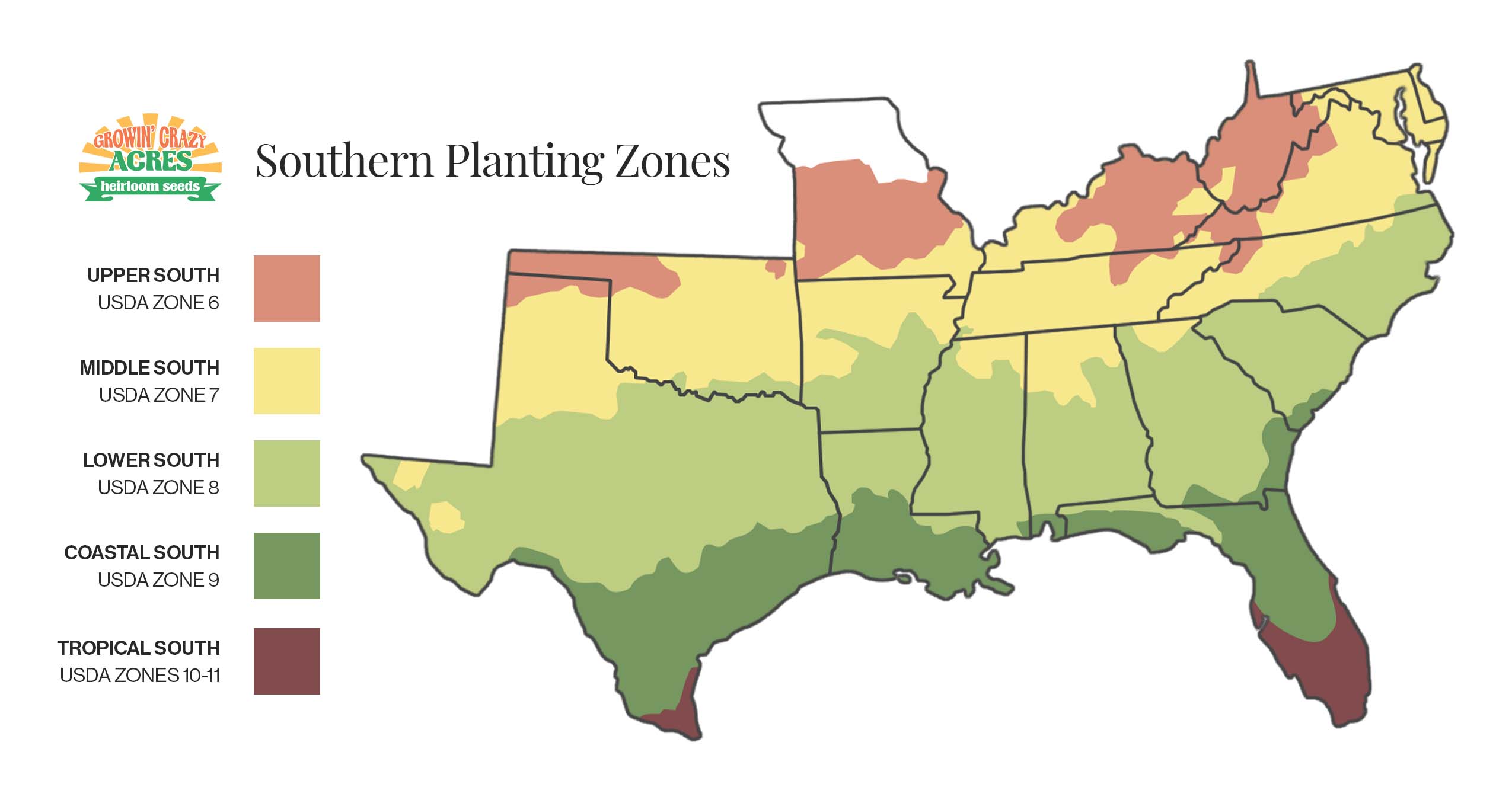
For Zones 9a and 9b
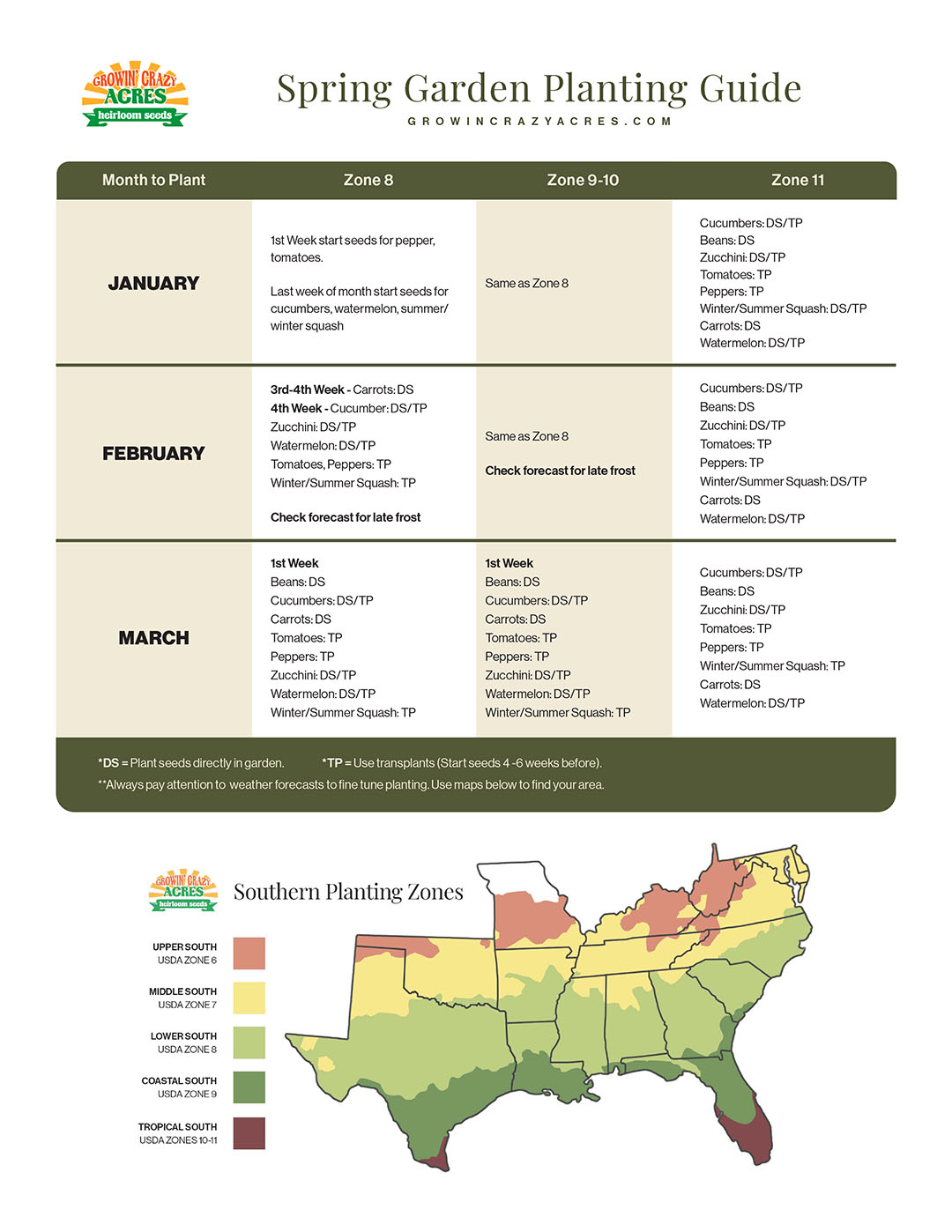
For those of us here in Zones 9a and 9b, the following is what we should be doing and when. For North and South Florida, adjust dates accordingly. See the Florida Yearly Planting Schedule for help.
For full gardening guides and additional support, see:
Important To-Do Dates
January 1 – February 1
Clean out all old crops. The longer they remain in the garden, the more diseases and pests can breed. This can infect your new crops.
February 20 – March 15
This is our approximate plant-out date goal for most crops, depending on the last frost. Keep an eye on the forecast.
If you are starting all or some of your spring and summer crops from seed, you should have already acquired them. If you haven’t, do so as soon as possible.
Prepare the Soil
Incorporate partially composted organic matter into your soil 1 to 2 months before your planting date. You will want to make sure it is worked a few inches down into the soil.
Examples include cow or horse manure, compost, and leaf mold.
If organic matter is added 2 to 3 weeks before planting, or closer to your planting date, it must be fully composted.
Draw Up Your Garden Plan
Decide where you are going to place each crop. Taller plants should go on the north side so they do not block the sun from lower-growing plants.
Use the Companion Planting Chart to help with placement, the Florida Yearly Planting Schedule for spacing, and the Drawing Up Your Plan page for layout.
Companion planting is very beneficial for helping keep pests under control and for replacing nutrients that one crop may use while another helps restore them.
Timing is everything, so be sure to check our Southern Vegetable Planting Calendar before planting.
Start Your Seeds
Here are the dates for some of the most popular crops. For those not listed, see the Florida Planting Guide.
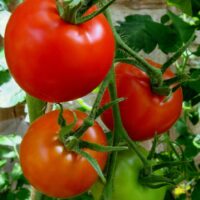
Tomatoes
January 1 – January 31
The sooner you start the seeds, the sooner you get tomatoes. Just transplant them into larger pots as needed and protect them from frost if necessary.
Plant out: March 1 – March 15
Peppers
January 15 – February 28
Peppers grow more slowly and love the heat, so they can wait a little longer.
Plant out: Mid-March
Celery
December – January 1
Plants can be set outside even with a light frost.
Plant out: February
Collard Greens
As early as July – March 15
Plant out: August – March
Cucumbers
February 1 – March 15
You can direct seed a couple of weeks after the last frost through April. Or start indoors about 4 weeks before planting out. They grow quickly, so do not start them too early.
Beans
February 1 – March 15
Same as cucumbers.
Watermelon and Melon
February 1 – March 1
Same as cucumbers. Can also be direct seeded after the last frost through April.
Corn
Direct seed after the last frost through April.
Eggplant
January 1 – February 1
Eggplant likes warmer weather.
Plant out: Through April
Summer Squash
January 1 – February 1
Same as cucumbers.
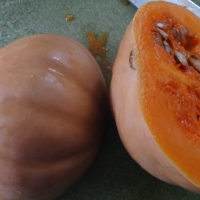
Winter Squash
February 1 – March 1
Can be planted through August.
Lettuce
January 1 – February 1
Start indoors if temperatures are below 50 degrees, or direct seed outside through March. Lettuce can tolerate frost and a light freeze.
For a complete overview of growing in warm climates, see our Complete Guide to Southern Gardening.