How to Grow Southern Peas in Southern Gardens: A Complete Growing Guide
Southern peas are one of the most dependable warm-season crops for home gardeners in the South. Also known as cowpeas in many regions, these plants are valued for their heat tolerance, productivity, and ability to perform well when many other vegetables struggle in the hottest part of the season.
Because Southern peas thrive in warm soil and long summers, they are especially well suited to Southern gardens. They are practical, productive, and useful in the kitchen, making them a valuable crop for gardeners who want reliable harvests during the heat of summer.
With proper timing, warm conditions, and basic care, Southern peas can become one of the easiest crops to grow in a Southern vegetable garden.
Why Southern Peas Grow Well in Southern Gardens
Southern peas are naturally adapted to hot weather and are one of the crops most closely associated with Southern gardens.
Some of the reasons gardeners enjoy growing Southern peas include:
- Excellent heat tolerance
- Good performance in long growing seasons
- Reliable production during summer
- Useful in many traditional recipes
- Suitable for garden beds, raised beds, and larger spaces
Because Southern peas continue growing and producing during hot weather, they are a very practical crop for Southern gardeners.
If you’re deciding what else grows well in heat, explore our guide on the Best Vegetables for Southern Gardens.
What Are Southern Peas?
Southern peas are legumes grown for their edible peas and pods.
Common types include:
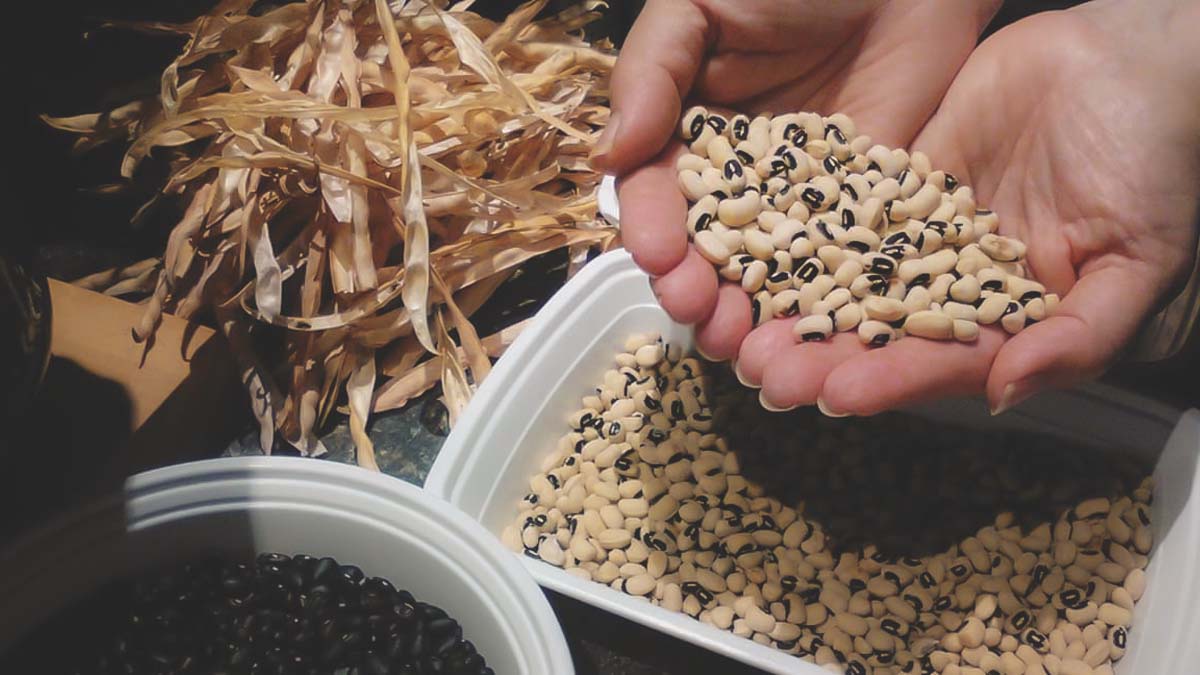
- Black-eyed peas
- Purple hull peas
- Crowder peas
- Cream peas
Although they are called peas, they are more closely related to beans in the way they grow and perform in warm weather.
They are especially valued in Southern gardens for their ability to tolerate heat and still produce well.
If you enjoy legumes in the garden, you may also want to read How to Grow Green Beans in Southern Gardens.
When to Plant Southern Peas in the South
Timing is important when growing Southern peas successfully.
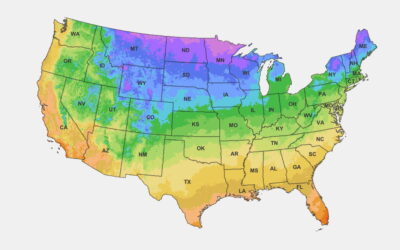
Southern peas should be planted after the danger of frost has passed and the soil has warmed.
In Southern gardens, they are often planted in spring and early summer once warm conditions are established.
For the best planting times in your area, refer to our Southern Vegetable Planting Calendar.
Because Southern peas like warm soil, planting too early can slow germination and reduce early growth.
Choosing the Right Planting Location
Southern peas grow best in a location that provides:
- Full sun
- Well-drained soil
- Good airflow
- Enough room for the variety to grow properly
Some Southern pea varieties grow as bush-type plants, while others may spread or climb more.
Choosing an open, sunny area helps plants stay productive and healthy through the season.
Preparing Soil for Southern Peas
Southern peas grow best in loose, well-drained soil.
Before planting, prepare the bed by:
- Removing weeds and debris
- Loosening compacted soil
- Raking the surface smooth
- Adding compost if needed
Southern peas generally do not need extremely rich soil, and overly heavy fertilization is usually unnecessary.
If you are new to growing in warm climates, our Complete Guide to Southern Gardening is a helpful place to start.
For another true Southern heat-loving crop, see our guide on How to Grow Okra in Southern Gardens.
How to Plant Southern Peas
Southern peas are usually direct sown into the garden once the soil is warm enough.
Planting Depth
Sow seeds about:
- 1 inch deep
Spacing
As a general guide:
- Space seeds a few inches apart
- Leave enough room between rows for airflow and harvesting
Always check the seed packet for exact spacing recommendations based on the specific variety.
If you need help understanding planting instructions, read How to Read a Seed Packet for Better Garden Success.
Watering Southern Peas
Southern peas need regular moisture during germination and early growth.
Helpful watering practices include:
- Keep soil evenly moist during establishment
- Water deeply rather than lightly
- Avoid overly soggy soil
- Reduce unnecessary overwatering once plants are well established
Once growing strongly, Southern peas are more tolerant of dry, hot conditions than many other garden crops.
This makes them especially valuable for summer gardening in the South.
Fertilizing Southern Peas
Southern peas are generally light to moderate feeders.
A good approach includes:
- Starting with reasonably healthy soil
- Adding compost if needed
- Avoiding excessive nitrogen fertilizer
Too much nitrogen can encourage leafy growth without improving pod production.
Because Southern peas are legumes, they do not usually need the same heavy feeding as some other crops.
If you are planning a productive summer garden, explore How to Grow Sweet Potatoes in Southern Gardens.
Supporting Southern Peas
Some Southern pea varieties grow as compact plants, while others may benefit from support.
If the variety has a more vining growth habit, light support such as a small trellis or fence may help keep plants organized and easier to harvest.
Always check the variety description to understand how the plants are expected to grow.
Common Problems When Growing Southern Peas
Southern peas are usually reliable, but gardeners may still encounter a few common issues.
Poor Germination
This may be caused by:
- Cool soil
- Soil that is too wet
- Poor seed-to-soil contact
Excess Leaf Growth
Too much nitrogen can lead to strong foliage but fewer pods.
Poor Pod Production
Crowding, poor timing, or water stress during flowering may affect yields.
Aphids and Other Pests
Young plants may occasionally attract pests.
If pests appear, read our guide on Aphids on Vegetable Plants: How to Identify and Control Them.
Harvesting Southern Peas
Southern peas can be harvested at different stages depending on how they are intended to be used.
Some gardeners harvest young pods for certain uses, while others allow the peas inside to mature before shelling.
Harvest timing depends on the variety and whether the peas are being used fresh, shelled, or dried.
Frequent harvesting can help encourage continued production on some varieties.
Growing Southern Peas Successfully in Southern Gardens
Southern peas are one of the most dependable warm-season crops for Southern gardeners. With warm soil, full sun, proper spacing, and steady early care, they can produce a reliable harvest during the hottest part of the growing season.
Because they are so well adapted to Southern heat, Southern peas are an excellent crop for gardeners who want productivity without excessive fuss.
With the right planting time and basic care, Southern peas can become a dependable part of your summer garden plan.