How to Read a Seed Packet for Better Garden Success
A seed packet contains much more than just seeds. It is also a compact growing guide filled with important information that can help gardeners plant at the right time, use proper spacing, and improve their chances of success.
For new gardeners, seed packets can sometimes feel confusing at first. Terms like germination, days to maturity, direct sow, and planting depth may not be immediately obvious. But once you understand how to read a seed packet, it becomes one of the most useful tools in the garden.
Whether you are planting vegetables, herbs, or flowers, learning how to read a seed packet can help you make better decisions and grow healthier plants.
Why Seed Packets Matter
Seed packets give gardeners crop-specific instructions that are important for successful planting.
They help answer key questions such as:
- When should I plant this?
- How deep should I sow the seeds?
- How far apart should the plants be?
- How long will germination take?
- How many days until harvest?
Instead of guessing, gardeners can use the packet as a guide for timing, spacing, and care.
If you are new to gardening in warm climates, our Complete Guide to Southern Gardening is a helpful place to start.
What Information Is Usually Found on a Seed Packet?
Most seed packets include several important pieces of information.
Common details include:
- Variety name
- Planting season or timing
- Planting depth
- Spacing
- Germination information
- Days to maturity
- Light requirements
- Special growing notes
Some packets may also include harvesting advice, disease resistance, or additional tips specific to that crop.
Understanding each part of the packet helps you use the information more effectively.
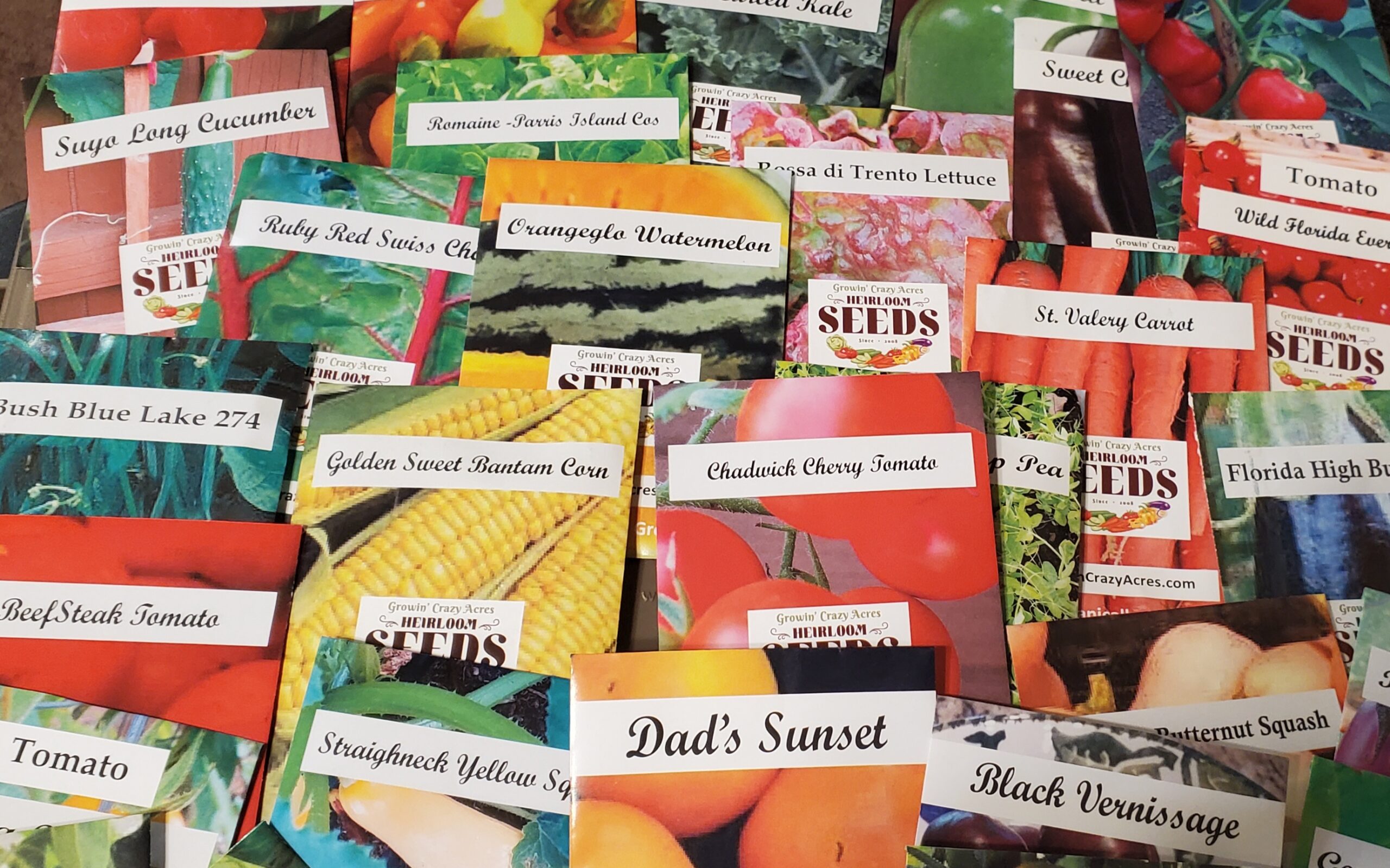
Variety Name
The variety name tells you exactly what type of plant is in the packet.
For example, a packet may say:
- Roma Tomato
- Lacinato Kale
- Clemson Spineless Okra
- Red Acre Cabbage
This matters because different varieties of the same crop may vary in:
- Size
- Flavor
- Growth habit
- Heat tolerance
- Maturity time
- Disease resistance
Knowing the exact variety helps you choose the right crop for your garden and compare one packet to another.
Planting Season or Timing
Many seed packets tell you when the crop should be planted.
This may include phrases such as:
- Sow after last frost
- Start indoors 6 weeks before planting out
- Direct sow in spring
- Plant in fall for winter harvest
This information is especially important in Southern gardens, where planting windows can be different from cooler climates.
For the best planting times in your area, refer to our Southern Vegetable Planting Calendar.
Seed packet timing should always be interpreted in relation to your own climate and season.
Planting Depth
Planting depth tells you how deep the seed should be planted in the soil.
This is important because seeds need the right balance of moisture, warmth, and access to the surface.
A packet may say something like:
- Sow ¼ inch deep
- Plant ½ inch deep
- Sow 1 inch deep
Planting too deeply can prevent seeds from emerging, while planting too shallowly can cause them to dry out too quickly.
Always follow the packet instructions whenever possible.
Spacing Instructions
Seed packets usually include spacing information for both seeds and mature plants.
This may include:
- Space seeds 1 inch apart
- Thin seedlings to 4 inches apart
- Space rows 18 inches apart
- Plant 12 inches apart
Spacing matters because overcrowding can lead to:
- Poor airflow
- Weak plants
- Small roots or heads
- Increased disease pressure
If seedlings come up too thickly, they may need to be thinned later.
For more on that, read our guide on How to Thin Seedlings for Healthier Plants.
Germination Information
Seed packets often include information about germination, such as:
- Number of days to germinate
- Ideal soil temperature for germination
Examples might include:
- Germinates in 5–10 days
- Best germination at 70–80°F
This helps gardeners understand what to expect after planting and whether conditions are suitable for success.
If seeds do not come up as expected, germination information can help you troubleshoot timing, moisture, and temperature.
Days to Maturity
Days to maturity tells you approximately how long it takes for the crop to reach harvest stage.
This is usually counted from:
- Germination
or - Transplanting, depending on the crop
For example:
- Radishes may mature in a few weeks
- Tomatoes may take much longer
- Broccoli and cabbage often need a longer growing period
Days to maturity helps gardeners plan their harvests and understand whether a crop fits into a particular season.
If you’re deciding what to grow, explore our guide on the Best Vegetables for Southern Gardens.
Direct Sow or Start Indoors
Many seed packets indicate whether a crop should be:
- Direct sown into the garden
or - Started indoors first
This is important because some crops transplant well, while others do not.
For example:
- Carrots, radishes, beans, and beets are often direct sown
- Tomatoes, peppers, cabbage, and broccoli are often started indoors
To learn more about these methods, see:
How to Start Seeds Indoors for Southern Gardens
How to Direct Sow Seeds in Southern Gardens
Sunlight Requirements
Most seed packets tell you how much light the plant will need.
Common phrases include:
- Full sun
- Partial sun
- Partial shade
This helps gardeners choose the best planting location.
Vegetables grown in the wrong light conditions may become weak, unproductive, or stressed.
Special Notes on the Packet
Some packets also include helpful crop-specific notes such as:
- Trellis recommended
- Harvest often for continued production
- Tolerates light frost
- Best flavor in cool weather
- Thin for proper root development
These notes are often small, but they can make a big difference in how the crop performs.
Reading the entire packet before planting helps you avoid missing useful details.
Why Seed Packets Are Especially Helpful for Beginners
Seed packets take a lot of guesswork out of gardening.
For beginners, they offer a clear starting point and help answer basic questions before mistakes are made.
They also help gardeners learn how different crops behave. Over time, reading seed packets becomes second nature and makes planning much easier.
Seed packets are one of the simplest tools for building gardening confidence.
Common Mistakes When Reading Seed Packets
Gardeners sometimes overlook important details on the packet.
Common mistakes include:
- Ignoring planting depth
- Overlooking final spacing
- Not checking days to maturity
- Missing whether the crop should be direct sown or started indoors
- Following general timing without considering local climate
Taking a few extra moments to read the packet carefully can prevent many common problems later.
Matching the Seed Packet to Your Climate
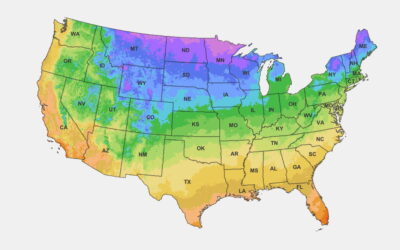
Seed packets provide important instructions, but gardeners still need to interpret that information according to their region.
For Southern gardens, that means thinking about:
- Heat
- Humidity
- Long growing seasons
- Spring and fall planting windows
A packet may say “plant in spring,” but in the South that often means much earlier than in northern climates.
That is why pairing seed packet information with a regional guide is so helpful.
For broader context, see our Complete Guide to Southern Gardening.
Reading Seed Packets More Confidently
The more you garden, the easier seed packets become to understand.
With practice, you will begin to recognize the key pieces of information quickly:
- When to plant
- How deep to sow
- How far apart to space
- Whether to direct sow or start indoors
- How long the crop will take to mature
This allows you to plan better, plant with more confidence, and improve your chances of success.
How to Read a Seed Packet for Better Garden Success
Learning how to read a seed packet is one of the simplest ways to improve your garden results. Seed packets provide valuable guidance on planting depth, spacing, germination, maturity, and crop care.
By understanding what the packet is telling you, you can plant more accurately, avoid common mistakes, and grow healthier, more productive plants.
Whether you are a beginner or simply trying a new crop, taking the time to read the seed packet carefully can make a big difference in your garden success.