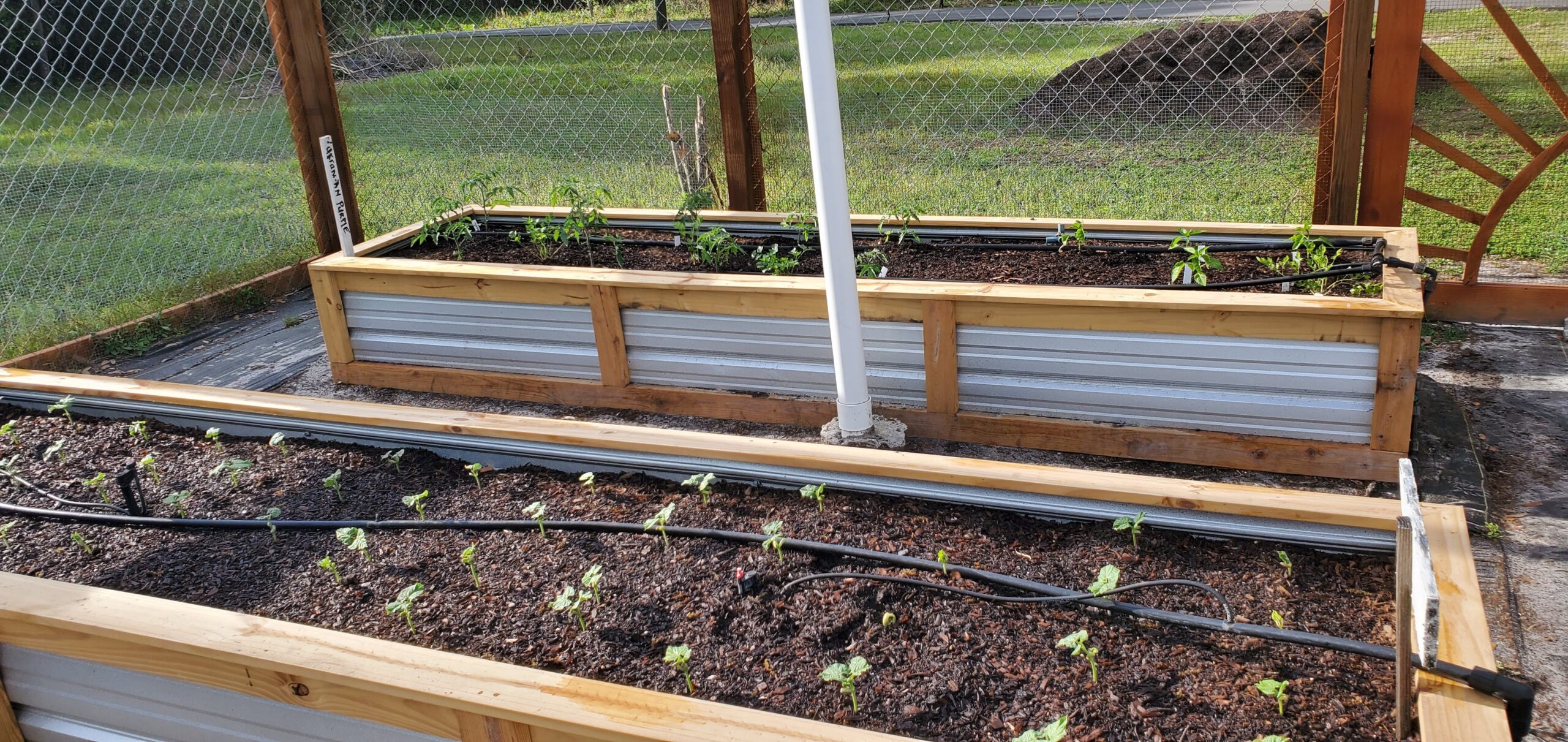
How to Direct Sow Seeds in Southern Gardens: A Complete Guide
Direct sowing is one of the simplest and most effective ways to grow vegetables from seed. Instead of starting seeds indoors and transplanting later, direct sowing means planting seeds straight into the garden where they will grow to maturity.
For many crops, this method is easy, efficient, and highly successful. It is especially useful for vegetables that grow quickly, dislike transplanting, or develop best when their roots are not disturbed.
In Southern gardens, direct sowing can be a very productive method when timing, soil preparation, and watering are handled correctly.
What Does Direct Sowing Mean?
Direct sowing means planting seeds directly into the garden bed, raised bed, or container where the plants will continue growing.
This method skips indoor seed trays and transplanting. Once the seeds germinate, the seedlings grow in place without being moved.
Direct sowing is often ideal for:
- Root crops
- Beans
- Peas
- Corn
- Radishes
- Cucumbers
- Squash
- Okra
Because these crops often grow quickly or dislike root disturbance, planting them directly in the garden is often the easiest approach.
Radishes are one of the easiest crops to direct sow—learn more in How to Grow Radishes in Southern Gardens.
Why Direct Sowing Works Well
There are many reasons gardeners choose to direct sow seeds.
Benefits of direct sowing include:
- Simpler process with fewer supplies
- No need for indoor lighting or trays
- Less transplant shock
- Strong root development in place
- Efficient planting for large areas
Direct sowing is especially helpful for gardeners who want a straightforward way to grow vegetables from seed without managing seedlings indoors.
If you are deciding what grows best in warm climates, explore our guide on the Best Vegetables for Southern Gardens.
Which Crops Are Best for Direct Sowing?
Some crops perform especially well when direct sown.
Common examples include:
- Green beans
- Radishes
- Carrots
- Beets
- Cucumbers
- Squash
- Okra
- Mustard greens
- Spinach
- Collard greens
- Lettuce
Many root crops are best direct sown because transplanting can disturb root development and lead to misshapen harvests.
Fast-growing warm-season crops also often perform best when planted directly once the soil is warm enough.
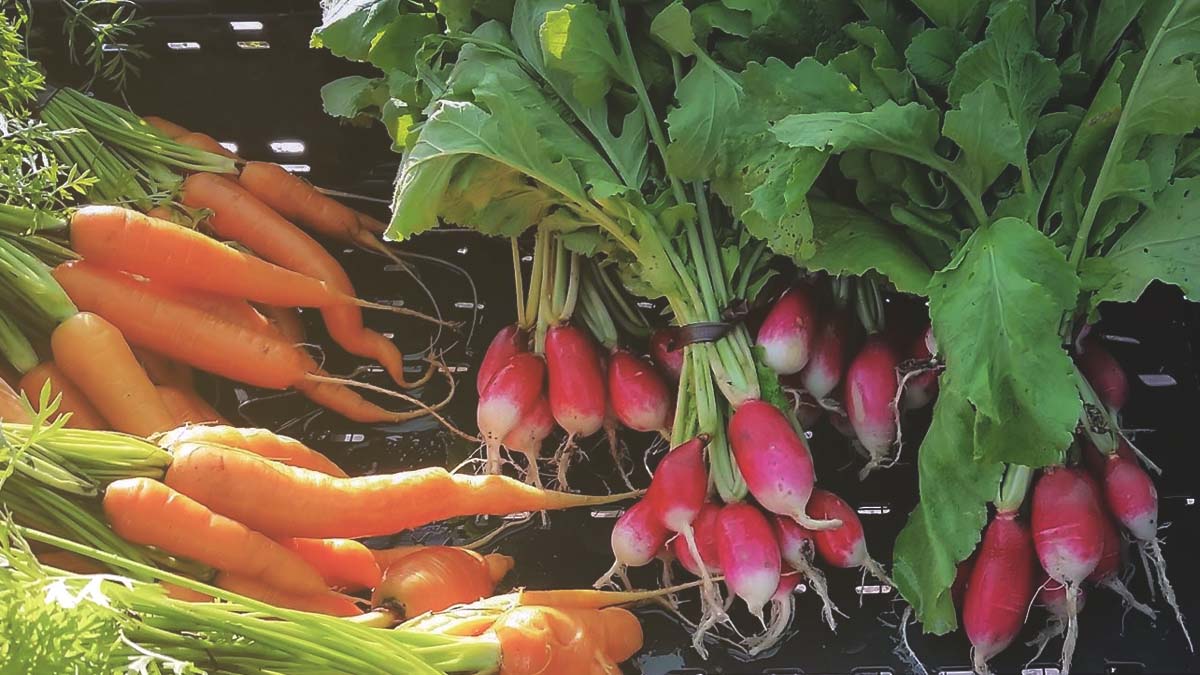
Root crops are especially well suited to direct sowing, so see our guide on How to Grow Carrots in Southern Gardens.
When to Direct Sow Seeds in the South
Timing is one of the most important parts of direct sowing successfully.
Southern gardeners should base sowing time on:
- The crop being planted
- Seasonal and soil temperature conditions for specific crop
- Plant out date for specific crop
For the best planting times in your area, refer to our Southern Vegetable Planting Calendar.
Preparing Soil for Direct Sowing
Good soil preparation greatly improves direct sowing success.
Before planting, prepare the area by:
- Removing weeds and debris
- Loosening compacted soil
- Raking the surface smooth
- Breaking up large clumps
- Mixing in compost if needed
- Mix in Organic granular fertilizer according to directions
A smooth, fine seedbed helps improve seed-to-soil contact and allows seedlings to emerge more easily.
This is especially important for small seeds like carrots, radishes, spinach, and mustard greens.
If you are new to growing in warm climates, our Complete Guide to Southern Gardening is a helpful place to start.
Beets are another great candidate for direct sowing—read How to Grow Beets in Southern Gardens.
How Deep to Plant Seeds
Planting depth matters because seeds need the right balance of moisture, warmth, and access to the soil surface.
A good general rule is:
- Plant seeds about two to three times as deep as the seed is wide
Small seeds should usually be planted shallowly, while larger seeds can be planted deeper.
Always check the seed packet for the best planting depth for each crop.
Planting too deeply can prevent seeds from emerging, while planting too shallowly can cause them to dry out too quickly.
How to Space Direct-Sown Seeds
Spacing depends on the crop and whether seedlings will be thinned later.
See seed pack for spacing
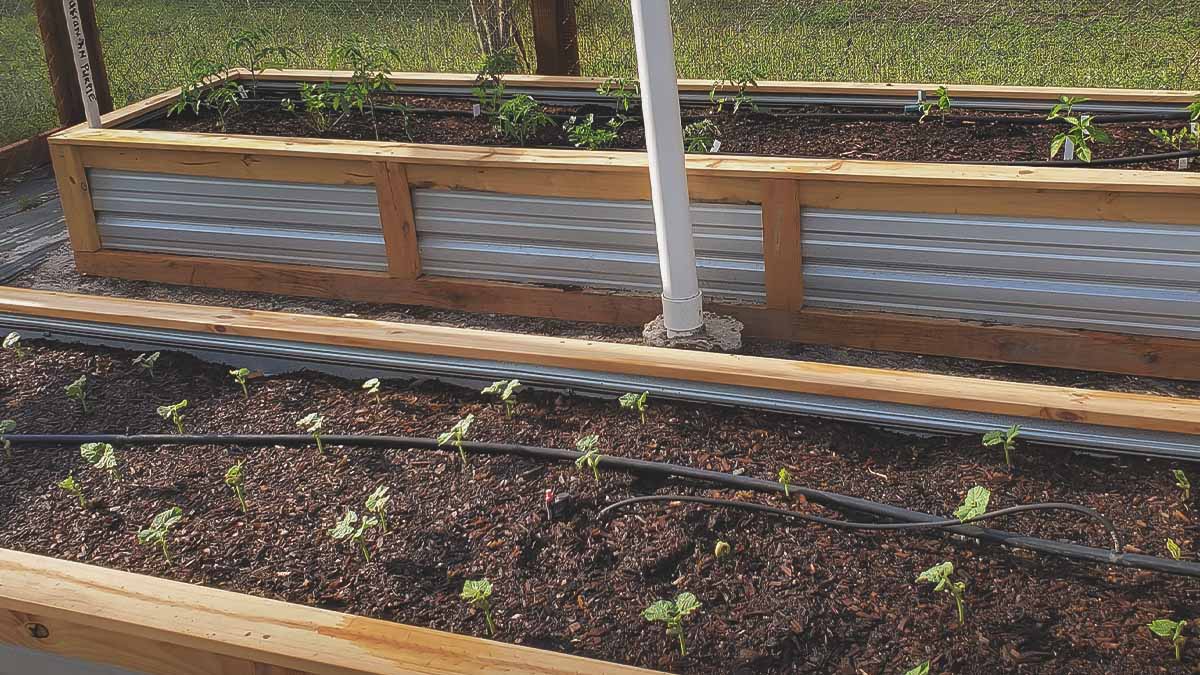
Beans are one of the most rewarding crops to direct sow, so explore How to Grow Green Beans in Southern Gardens.
Watering After Direct Sowing
Watering is one of the most important parts of successful direct sowing.
Seeds need steady moisture to germinate, but they should not be washed away or left in soggy soil.
Helpful watering practices include:
- Water gently after sowing
- Keep the seedbed evenly moist
- Avoid letting the top layer dry out completely
- Reduce heavy overhead watering if it disturbs seeds
Small seeds are especially sensitive to drying out before germination.
Once seedlings are established, watering can become less frequent and deeper.
Why Germination Sometimes Fails
Even good seed can fail to germinate if conditions are not right.
Common causes of poor germination include:
- Soil too dry
- Soil too cold or too hot
- Planting too deeply
- Poor seed-to-soil contact
- Old or poor-quality seed
Paying attention to timing, planting depth, and moisture solves many germination issues before they start.
Once the soil is warm, okra is another excellent direct-sown crop—see How to Grow Okra in Southern Gardens.
Thinning Seedlings
Some directly sown crops are planted thickly and need thinning after germination.
Thinning helps:
- Reduce crowding
- Improve airflow
- Give roots and leaves enough room to develop
- Produce better final harvests
Although it can feel wasteful, thinning is often essential for crops like carrots, beets, radishes, and greens.
Protecting Young Seedlings
Once seeds germinate, young seedlings still need protection from stress.
Helpful practices include:
- Keeping soil evenly moist
- Watching for pest pressure
- Gently removing weeds nearby
- Avoiding heavy disturbance
Tender seedlings can be affected quickly by drought, crowding, or competition, especially during warm weather.
If pests appear, see our guide on Aphids on Vegetable Plants: How to Identify and Control Them.
Direct Sowing vs. Starting Indoors
Both methods are useful, but each has a different purpose.
Direct sowing is often best for:
- Root crops
- Fast-growing crops
- Plants that dislike transplanting
Starting seeds indoors is often best for:
- Tomatoes
- Peppers
- Broccoli
- Cabbage
If you want to compare approaches, read our guide on How to Start Seeds Indoors for Southern Gardens.
Why Direct Sowing Is Valuable for Southern Gardeners
Direct sowing is especially useful in Southern gardens because many crops can be planted straight into warm soil during long growing seasons.
It simplifies the growing process and works well for both cool-season and warm-season vegetables. For gardeners who want a practical, low-maintenance approach to seed growing, direct sowing is often the easiest method.
It also helps gardeners make better use of seed purchases by planting crops exactly where they will grow best.