How to Grow Carrots in Southern Gardens: A Complete Growing Guide
Carrots are a rewarding crop for home gardeners because they are nutritious, versatile, and surprisingly easy to grow with the right conditions. While carrots are often thought of as a cool-season vegetable, they can grow very well in Southern gardens when planted at the proper time.
For Southern gardeners, success with carrots depends heavily on timing and soil preparation. Because carrots are root crops, they need loose, well-drained soil to develop straight, healthy roots. They also perform best during cooler parts of the year when temperatures are more favorable.
With good soil, consistent moisture, and the right planting window, carrots can be a productive addition to a Southern vegetable garden.
Why Carrots Grow Well in Southern Gardens
Carrots may not love extreme heat, but they can thrive in Southern gardens during cooler seasons.
Some of the reasons gardeners enjoy growing carrots include:
- Easy direct sowing
- Excellent for fall, winter, and early spring gardens
- Sweet flavor that often improves in cool weather
- Suitable for garden beds, raised beds, and deep containers
- Long storage potential after harvest
Carrots are a great crop for gardeners who want to extend production into cooler months.
If you’re deciding what else to grow during the cooler parts of the year, take a look at our Best Vegetables for Southern Gardens.
When to Plant Carrots in the South
Timing is one of the most important factors when growing carrots successfully in Southern gardens.
Because carrots prefer cooler temperatures, they are usually planted during:
- Late winter or early spring
- Late summer for fall harvests
- Fall and winter in some mild Southern climates
Hot weather can reduce germination and affect root quality, so carrots are usually not the best crop for peak summer.
For the best planting times in your area, refer to our Southern Vegetable Planting Calendar.
Choosing the Right Planting Location
Carrots grow best in a location that provides:
- Full sun to partial sun
- Loose, well-drained soil
- Enough depth for root development
- Minimal soil compaction
Raised beds are often an excellent choice for carrots because they provide better soil control and drainage.
Preparing Soil for Carrots
Soil preparation is one of the most important parts of growing carrots.
Because the edible portion of the plant develops underground, carrots need soil that is:
- Loose
- Free of rocks and clumps
- Well-draining
- Rich in organic matter, but not overly heavy
Before planting:
- Remove rocks, roots, and debris
- Break up compacted soil
- Rake the bed smooth
- Mix in compost if needed, but avoid fresh manure
Heavy or rocky soil can cause carrots to fork, twist, or grow unevenly.
If you are new to gardening in warm climates, our Complete Guide to Southern Gardening is a helpful place to start.
How to Plant Carrots
Carrots are usually direct sown into the garden because they do not transplant well.
Planting Depth
Sow carrot seeds about:
- ¼ inch deep
Spacing
Carrot seeds are very small, so they are often sown thinly in rows and thinned later.
As a general guide:
- Sow seeds lightly
- Overhead water lightly until they sprout.
- Thin seedlings to about 3″ apart once they begin to grow so roots have enough room to develop
- Soil must be at least twice the depth of the carrot length to be able to properly grow.
Because carrot seeds are small and slow to germinate, it is important to keep the soil surface moist during the germination period.
Watering Carrots
Carrots need consistent moisture, especially while seeds are germinating and roots are developing.
Helpful watering practices include:
- Keep the soil evenly moist
- Water gently to avoid disturbing seeds
- Avoid allowing the soil to dry out completely
- Water deeply once plants are established
Inconsistent moisture can lead to poor germination or cracked roots.
Mulch can help regulate soil moisture and temperature once seedlings are established.
Thinning Carrot Seedlings
Because carrot seeds are small and often sown closely, thinning is usually necessary.
Thinning helps:
- Reduce crowding
- Improve airflow
- Allow roots to size up properly
Although it can be hard to remove healthy seedlings, thinning is important for growing well-formed carrots.
I thin a few times. Waiting until they are a couple inches or so and then i use them as baby carrots.
Fertilizing Carrots
Carrots generally do best in balanced soil and do not require heavy fertilization.
A good approach includes:
- Starting with well-prepared soil
- Using compost if needed
- Avoiding too much nitrogen
Excess nitrogen can encourage leafy tops while reducing root development.
Healthy soil structure is often more important than frequent feeding.
Common Problems When Growing Carrots
Carrots are usually reliable, but gardeners may still run into a few common challenges.
Poor Germination
Carrot seeds may germinate slowly or unevenly if:
- Soil is too dry
- Soil is too hot
- Seeds are planted too deeply
- Forked or Misshapen Roots
This is often caused by:
- Rocky soil
- Compacted soil
- Excess fresh organic matter
- Small Roots
If carrots remain small, possible causes include:
- Overcrowding
- Poor soil preparation
- Insufficient time to mature
Good soil preparation and proper thinning solve many carrot problems before they start.
Harvesting Carrots
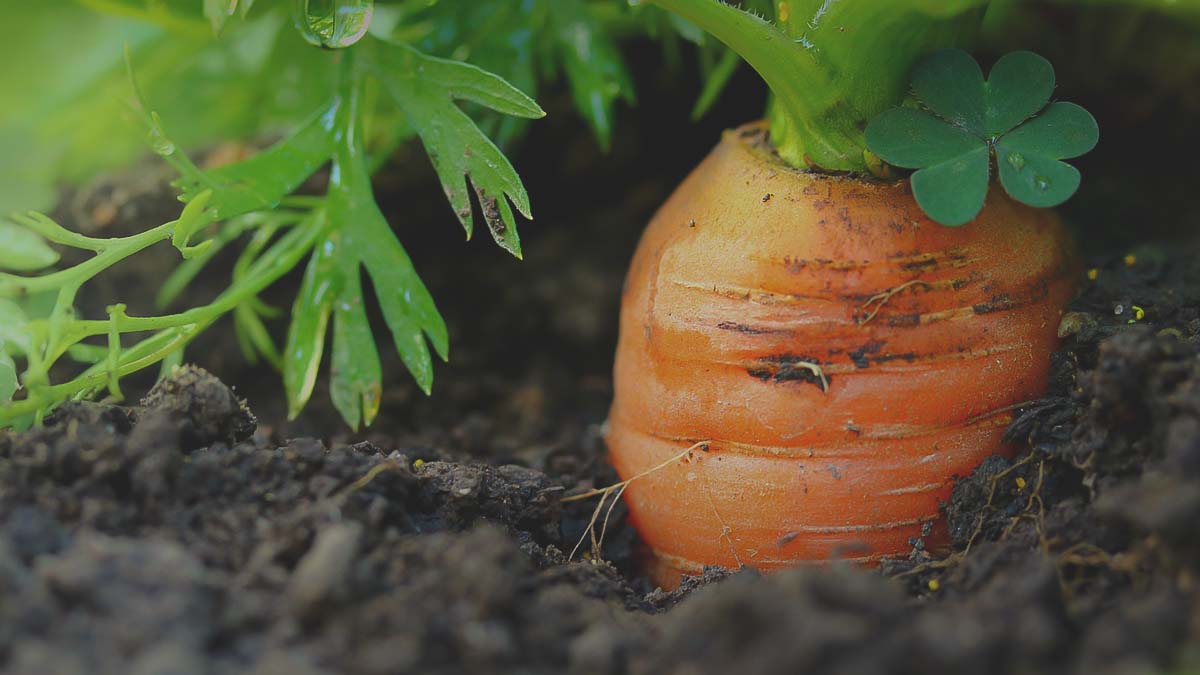
Carrots are usually ready to harvest when their roots reach usable size and the shoulders of the roots begin to show near the soil line.
Harvest timing varies by variety, but most gardeners check root size before pulling the whole row.
Loosen the soil gently before harvesting if needed, especially in firmer ground.
Freshly harvested carrots are crisp, sweet, and excellent for fresh eating, cooking, and storage.
Why Cool Weather Improves Carrot Flavor
One of the benefits of growing carrots in cooler Southern seasons is improved flavor.
Cooler temperatures often encourage sweeter, better-tasting roots. This is one reason carrots are such a good choice for fall and winter gardens in many Southern climates.
By planting carrots at the right time, gardeners can enjoy better growth and better flavor.
Growing Carrots Successfully in Southern Gardens
Carrots are a productive and satisfying crop for Southern gardeners when grown during the right seasons. With loose soil, steady moisture, and careful thinning, carrots can produce healthy, flavorful roots in raised beds or garden rows.
Because they prefer cooler weather, carrots are a great choice for expanding your garden beyond summer crops.
With proper soil preparation and good timing, carrots can be a dependable addition to any Southern vegetable garden.