How to Thin Seedlings for Healthier Plants: A Complete Guide
Thinning seedlings is one of the simplest and most important steps in growing healthy plants from seed. Whether seeds were started indoors or direct sown into the garden, seedlings often emerge closer together than they should. If they are left overcrowded, young plants compete for light, water, nutrients, and airflow.
Thinning helps solve that problem by giving the strongest seedlings enough room to grow properly. While it can feel difficult to remove healthy young plants, thinning is often what makes the difference between weak, crowded growth and a productive harvest.
With the right timing and a gentle approach, thinning seedlings can lead to healthier roots, stronger stems, and better overall garden performance.
What Does It Mean to Thin Seedlings?
Thinning seedlings means removing extra young plants so the remaining seedlings have enough room to develop properly.
This usually happens after seeds germinate and seedlings begin to establish themselves. Instead of allowing every seedling to continue growing in the same crowded space, gardeners remove the extras and keep the healthiest, strongest plants.
Thinning is especially common with crops that are often sown thickly, including:
- Carrots
- Radishes
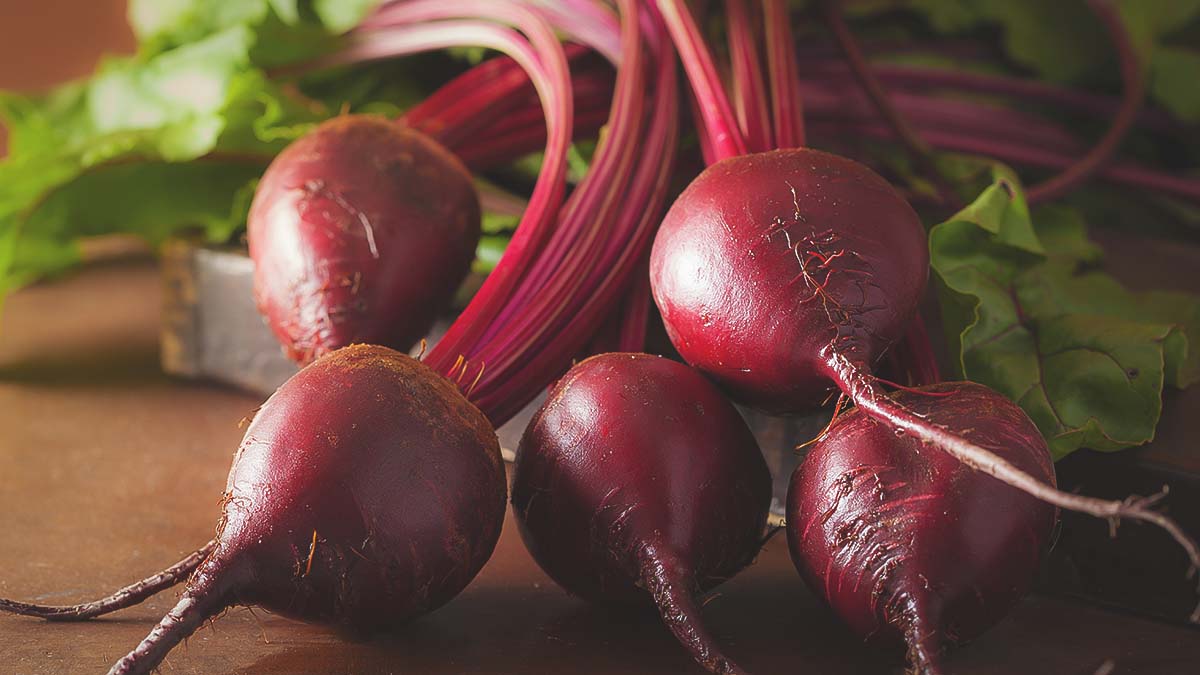
- Beets
- Spinach
- Lettuce
- Mustard greens
Some indoor-started seedlings may also need thinning if multiple seeds were planted in one container or cell.
For a leafy green that also benefits from proper spacing, see How to Grow Spinach in Southern Gardens.
Why Thinning Seedlings Matters
When seedlings are too crowded, they compete with one another right from the beginning.
Thinning helps improve:
- Air circulation
- Access to sunlight
- Root development
- Nutrient uptake
- Overall plant strength
Without enough space, seedlings may stay small, become weak, or develop poorly shaped roots. In some cases, overcrowding also encourages disease and makes it harder for plants to mature well.
If you are starting from the beginning, read our guide on How to Start Seeds Indoors for Southern Gardens.
When to Thin Seedlings
The best time to thin seedlings is when they are still small and manageable but have already germinated well enough for you to see which seedlings are strongest.
A good time to thin is usually when seedlings have:
- Their first true leaves
- Enough size to handle easily
- Clear crowding in rows, cells, or containers
Thinning too early may make it harder to judge which seedlings are strongest. Waiting too long can cause roots to tangle and increase competition between plants.
Mustard greens can also be sown thickly and thinned for better growth—learn more in How to Grow Mustard Greens in Southern Gardens.
How to Choose Which Seedlings to Keep
When thinning, keep the healthiest-looking seedlings and remove the weaker ones.
Look for seedlings that are:
- Strong and upright
- Well-colored
- Properly shaped
- Growing vigorously
Remove seedlings that are:
- Smaller or weaker
- Leggy or stretched
- Damaged
- Poorly positioned or overcrowded
Keeping the strongest seedlings gives your planting the best chance of long-term success.
How to Thin Seedlings Properly
Thinning should be done gently to avoid disturbing the roots of the plants you want to keep.
A simple approach is:
- Identify the strongest seedlings
- Remove the extras carefully
- Leave enough spacing for the crop to mature well
In many cases, the easiest method is to snip unwanted seedlings at the soil line with small scissors rather than pulling them out.
This reduces the risk of disturbing nearby roots, especially in tightly spaced crops.
Pulling vs. Snipping Seedlings
Gardeners often ask whether they should pull seedlings or cut them.
Snipping
Snipping is often the safest method, especially when seedlings are close together. It avoids disturbing the roots of the plants you want to keep.
Pulling
Pulling can work when seedlings are spaced farther apart and the soil is loose, but it may disrupt surrounding roots if done carelessly.
For small, crowded seedlings, snipping is usually the best choice.
Why Thinning Is Especially Important for Root Crops
Root crops need room below the soil as well as above it.
If crops like carrots, radishes, and beets are left overcrowded, they may produce:
- Small roots
- Forked roots
- Misshapen roots
- Poor overall quality
This is one reason thinning matters so much for root vegetables.
If you grow root crops, you may also want to read:
How to Grow Carrots in Southern Gardens
How to Grow Radishes in Southern Gardens
How to Grow Beets in Southern Gardens
Thinning Seedlings in Containers
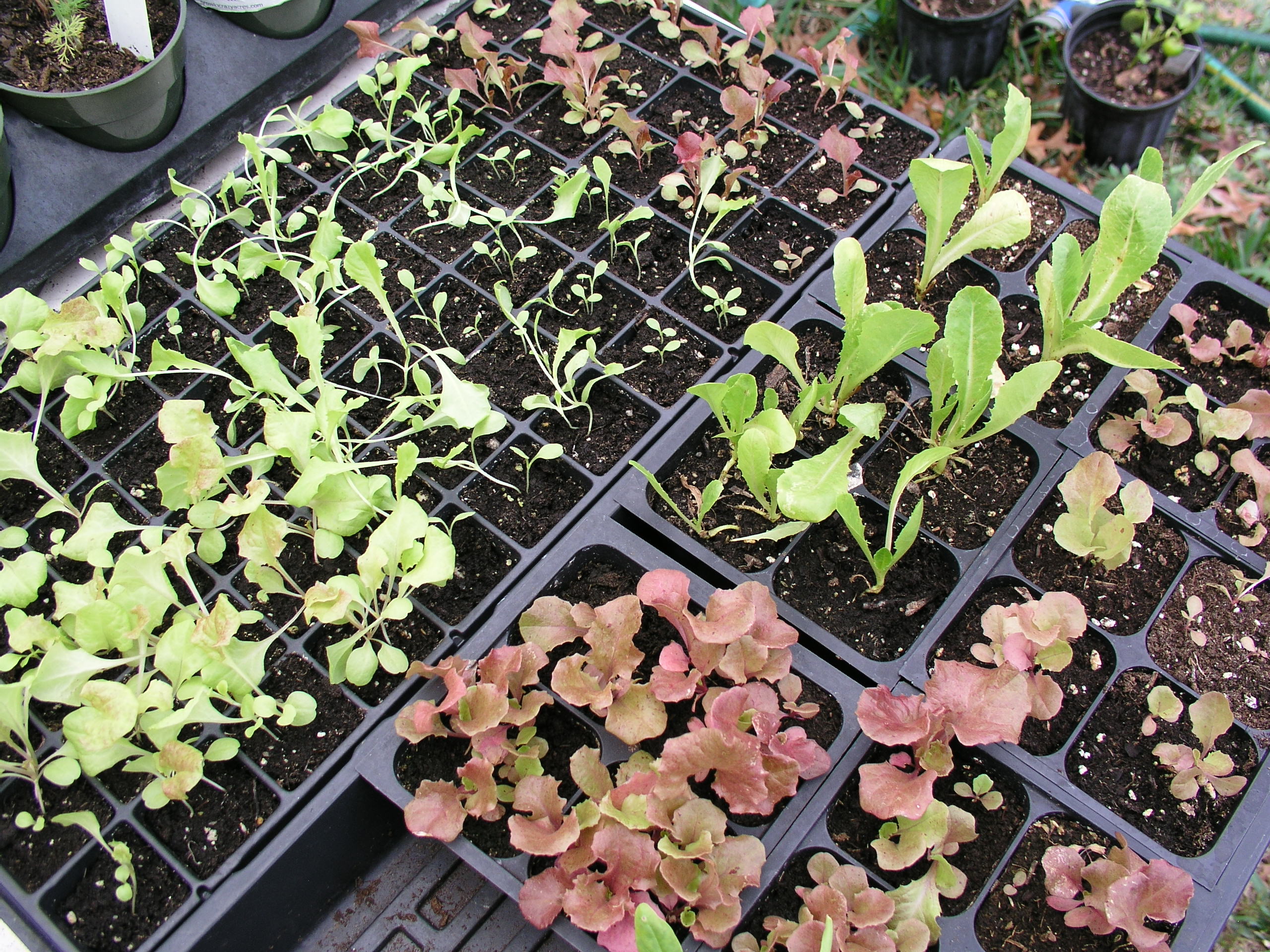
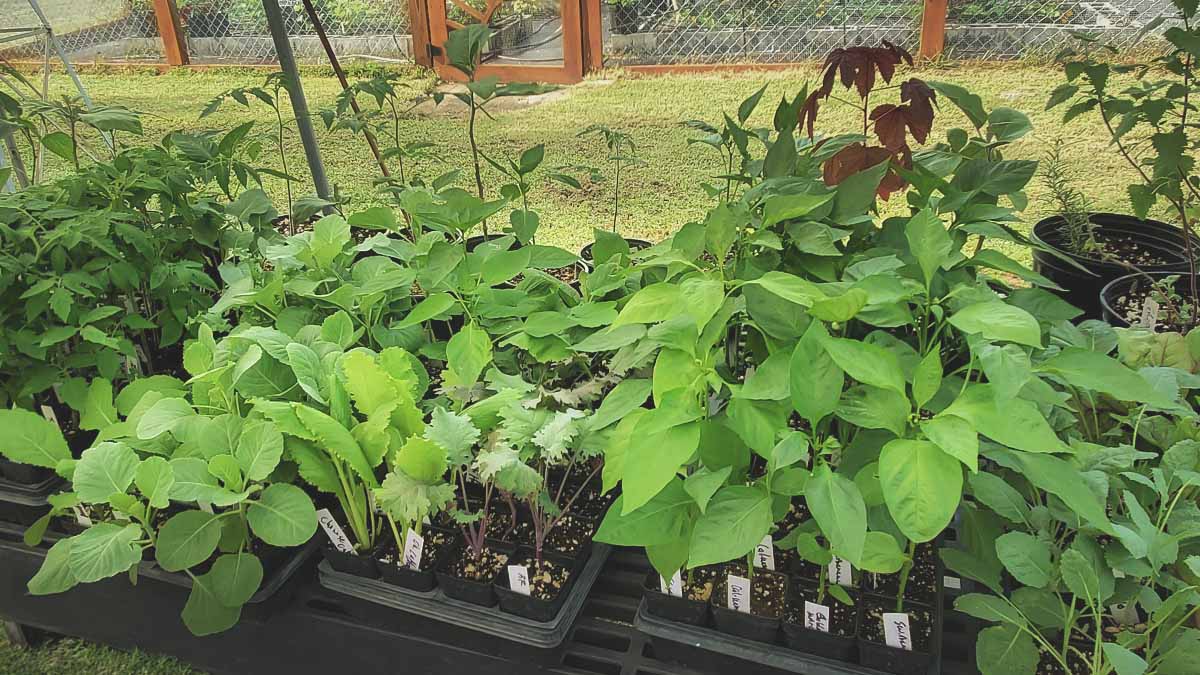
Containers and seed trays may also need thinning if too many seedlings germinate in one space.
This is common when:
- Multiple seeds were planted in one cell
- Several seedlings emerge in a small pot
- Greens are planted densely and need spacing for mature growth
The same general rule applies: keep the strongest seedlings and remove the extras.
If you are growing baby greens, closer spacing may be acceptable, but full-size plants still need room.
What to Do After Thinning
After thinning, seedlings benefit from a little extra care while they adjust.
Helpful steps include:
- Water gently if the soil is dry
- Avoid disturbing the remaining seedlings
- Keep the area free of weeds
- Continue monitoring spacing as plants grow
Once seedlings have more room, they usually begin growing more strongly and evenly.
Can You Eat Thinned Seedlings?
In some cases, yes.
Tender thinnings from crops like:
- Lettuce
- Spinach
- Mustard greens
- Beets
can sometimes be used as baby greens if they are clean and large enough.
Very tiny thinnings are usually too small to use, but larger leafy seedlings can often be enjoyed instead of wasted.
Common Mistakes When Thinning Seedlings
Thinning is simple, but a few mistakes can reduce its benefits.
Waiting Too Long
Seedlings left crowded too long may already be stressed and tangled.
Keeping Too Many
Gardeners often hesitate to remove enough seedlings, but overcrowding limits growth.
Pulling Too Roughly
This can disturb nearby roots and weaken the seedlings you want to keep.
Ignoring Final Spacing
Each crop needs enough room to reach maturity, so always follow the seed packet or crop recommendations.
Why Thinning Leads to Better Plants
Although it may feel counterintuitive to remove healthy seedlings, thinning helps the remaining plants perform much better.
Proper spacing allows plants to:
- Develop stronger roots
- Grow larger leaves or roots
- Receive more light
- Resist disease more effectively
- Produce better harvests
In many cases, thinning is the difference between crowded seedlings and truly productive plants.
If you are deciding what crops to plant next, explore our guide on the Best Vegetables for Southern Gardens.
Thinning Seedlings Successfully for Healthier Plants
Thinning seedlings is a small step that makes a big difference in garden success. By removing excess seedlings early, gardeners give the strongest plants room to grow, develop healthy roots, and produce better harvests.
Whether you are growing root crops, leafy greens, or indoor-started seedlings, thinning is an important part of raising strong plants from seed.
With proper timing and gentle handling, thinning becomes one of the easiest ways to improve the health and productivity of your garden.