How to Grow Mustard Greens in Southern Gardens: A Complete Growing Guide
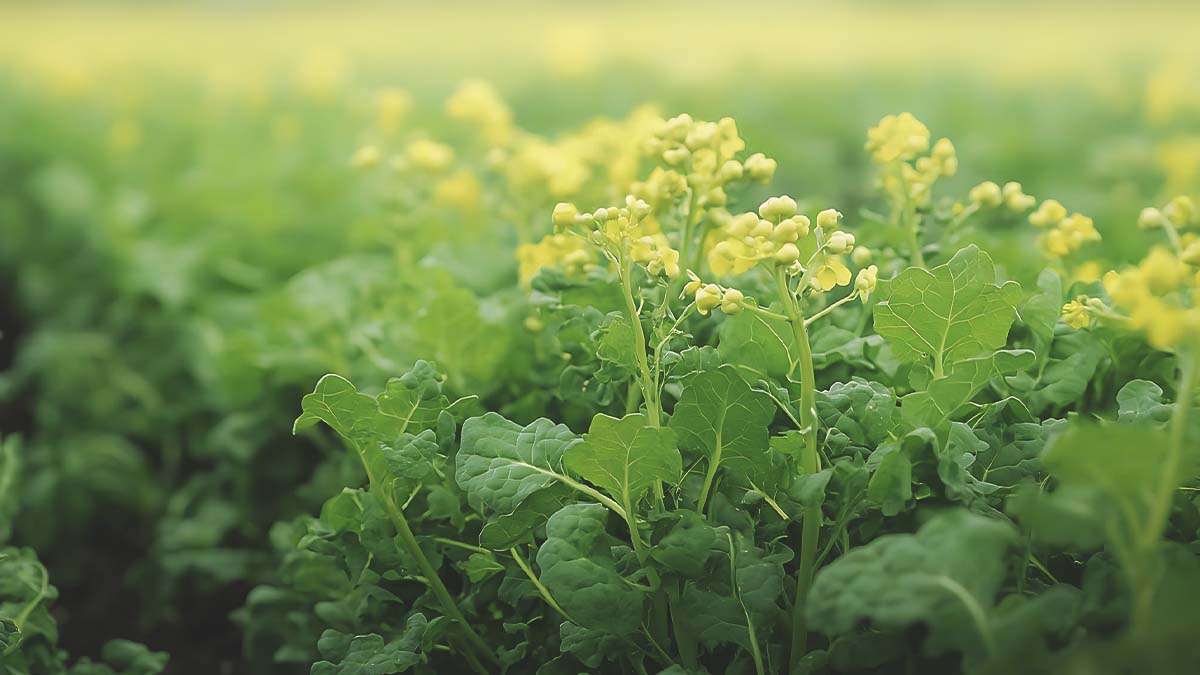
Mustard greens are one of the easiest and most flavorful leafy greens you can grow in a home garden. Known for their fast growth, bold taste, and excellent cool-season performance, mustard greens are a favorite in many Southern gardens.
In Southern climates, mustard greens grow best during cooler months. They can be harvested young for tender baby greens or allowed to mature into larger leaves for cooking. Their quick growth and adaptability make them a valuable crop for gardeners who want steady harvests during fall, winter, and early spring.
With proper timing, healthy soil, and regular watering, mustard greens can be a productive and rewarding addition to a Southern vegetable garden.
Why Mustard Greens Grow Well in Southern Gardens
Mustard greens are well suited to Southern gardens because they thrive in cool weather and grow quickly.
Some of the reasons gardeners enjoy growing mustard greens include:
- Fast growth and early harvests
- Strong performance in cool seasons
- Excellent for baby greens or full-size leaves
- Suitable for garden beds, raised beds, and containers
- Repeated harvest potential
Because mustard greens mature quickly, they are ideal for succession planting and filling empty garden space during the cool season.
If you’re deciding what else to grow in cooler months, explore our guide on the Best Vegetables for Southern Gardens.
When to Plant Mustard Greens in the South
Timing is one of the most important parts of growing mustard greens successfully.
Because mustard greens prefer cool temperatures, they are usually planted during:
- Late winter or early spring
- Late summer for fall harvests
- Fall and winter in mild Southern climates
Mustard greens are generally not a good crop for peak summer because high temperatures can cause plants to bolt quickly and produce tougher, stronger-tasting leaves.
For the best planting times in your area, refer to our Southern Vegetable Planting Calendar.
Choosing the Right Planting Location
Mustard greens grow best in a location that provides:
- Full sun to partial sun
- Fertile, well-drained soil
- Good airflow
- Easy access for harvesting
In warmer conditions, a little afternoon shade can sometimes help reduce stress and improve leaf quality.
Raised beds and containers can both work well for mustard greens if soil stays consistently moist and drains properly.
Preparing Soil for Mustard Greens
Mustard greens grow best in rich, loose soil with good drainage.
Before planting, prepare the bed by:
- Removing weeds and debris
- Loosening compacted soil
- Mixing in compost or other organic matter
- Raking the surface smooth
Healthy soil helps mustard greens establish quickly and produce tender, vigorous leaf growth.
If you are new to gardening in warm climates, our Complete Guide to Southern Gardening is a helpful place to start.
How to Plant Mustard Greens
Mustard greens are usually direct sown into the garden, though they can also be grown in containers.
Planting Depth
Sow seeds about:
- ¼ to ½ inch deep
Spacing
Spacing depends on whether you are growing mustard greens for baby leaves or mature plants.
As a general guide:
- Sow more closely for baby greens
- Thin or space farther apart for larger mature leaves
Always check the seed packet for exact spacing recommendations.
Because mustard greens germinate fairly quickly in cool, moist soil, they are often one of the fastest leafy greens to establish.
Growing Mustard Greens as Baby Greens
Many gardeners enjoy harvesting mustard greens young as baby greens.
Benefits of growing them this way include:
- Faster harvest times
- Tender, mild leaves
- Easier succession planting
- Reduced exposure to long-term garden stress
Baby mustard greens can be cut when leaves are still small for salads, bowls, or quick cooking.
This is a great option in Southern gardens where earlier harvesting can help avoid late-season heat.
Watering Mustard Greens
Mustard greens need steady moisture for healthy growth and tender leaves.
Helpful watering practices include:
- Keep soil evenly moist
- Water gently during germination
- Avoid letting the soil dry out completely
- Water deeply once plants are established
Dry or inconsistent watering can slow growth and affect leaf quality.
Mulch can help retain moisture and regulate soil temperature.
Fertilizing Mustard Greens
Because mustard greens are grown for their leaves, they benefit from fertile soil and steady nutrition.
A good approach includes:
- Starting with compost-rich soil
- Using a balanced vegetable fertilizer if needed
- Avoiding excessive feeding
Healthy soil and consistent moisture are usually the most important factors for strong leaf production.
Common Problems When Growing Mustard Greens
Mustard greens are generally easy to grow, but gardeners may still encounter a few common issues.
Bolting
As temperatures rise, mustard greens may begin to flower and go to seed.
This often causes leaves to become tougher and stronger in flavor.
Planting during cooler weather and harvesting promptly helps reduce bolting.
Heat Stress
If grown too late into warm weather, mustard greens may become stressed and less productive.
Aphids
Mustard greens may occasionally attract aphids, especially on tender growth.
If pests appear, read our guide on Aphids on Vegetable Plants: How to Identify and Control Them.
Caterpillars
As a leafy green in the brassica family, mustard greens can also attract chewing insects. Regular inspection helps catch problems early.
Harvesting Mustard Greens
Mustard greens can be harvested at several stages depending on how you want to use them.
Baby Leaf Harvest
Young leaves can be cut when they are still small and tender.
Cut-and-Come-Again Harvest
Outer leaves can be harvested while leaving the center of the plant intact, allowing continued production.
Full Plant Harvest
Whole plants can also be harvested once they reach a desirable size.
Frequent harvesting often improves leaf quality and encourages continued growth.
Why Mustard Greens Are Great for Southern Gardens
Mustard greens are especially valuable in Southern gardens because they grow quickly, fit well into cool-season planting windows, and provide flavorful harvests when many warm-season crops are no longer producing.
They are useful for fresh eating, sautéing, soups, and many cooked dishes. Their speed and flexibility make them one of the most practical leafy greens for home gardeners.
For gardeners who want reliable cool-season greens, mustard greens are an excellent choice.
Growing Mustard Greens Successfully in Southern Gardens
Mustard greens are a fast-growing and productive crop for Southern gardeners when planted during cool weather. With fertile soil, steady moisture, and the right timing, they can produce flavorful leaves for repeated harvests.
Whether grown as baby greens or mature plants, mustard greens are an excellent addition to fall, winter, and early spring gardens.
With the right planting season and basic care, mustard greens can become one of the easiest leafy greens to grow in your Southern garden.