How to Grow Potatoes in Southern Gardens: A Complete Growing Guide
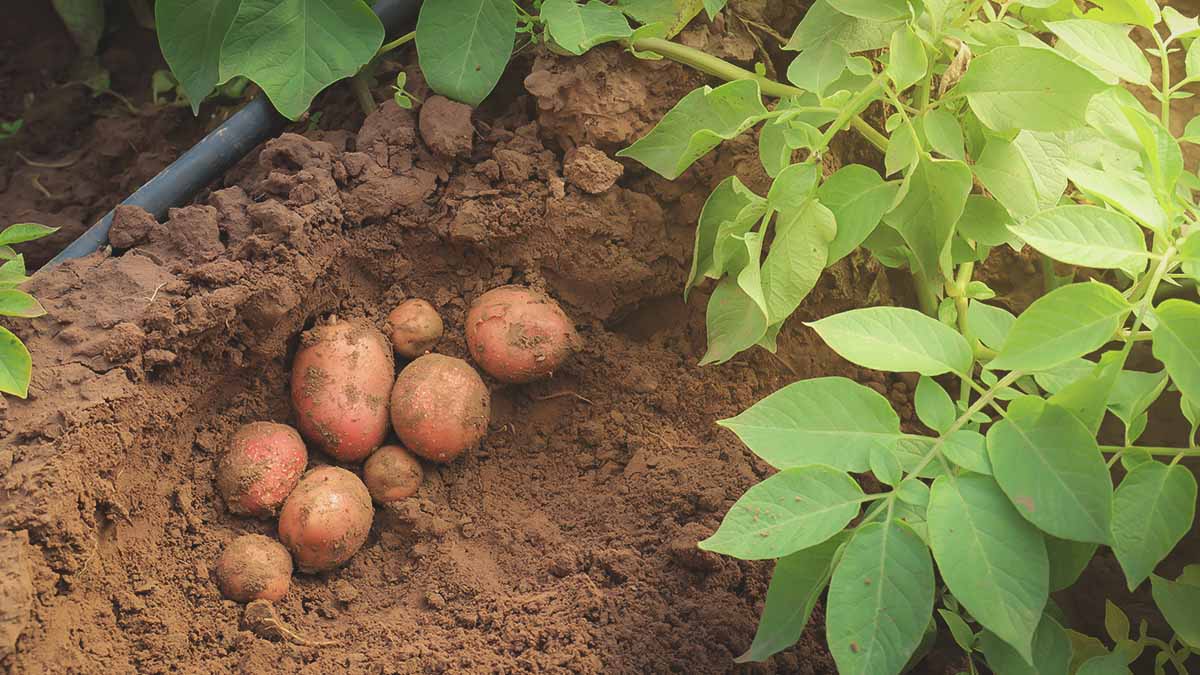
Potatoes are one of the most rewarding crops a home gardener can grow. They are practical, productive, and useful in countless meals, which makes them a favorite in many vegetable gardens.
In Southern gardens, potatoes are usually grown during the cooler parts of the year rather than in the peak heat of summer. With the right planting time, loose soil, and steady moisture, potatoes can produce a satisfying harvest of fresh tubers that are far superior to store-bought in flavor and texture.
Because potatoes grow underground, success depends heavily on soil preparation and timing. With the right conditions, they can be an excellent addition to a Southern vegetable garden.
Why Potatoes Grow Well in Southern Gardens
Potatoes can grow very well in Southern gardens when planted during the correct season.
Some of the reasons gardeners enjoy growing potatoes include:
- High-value crop for home use
- Productive harvest from a relatively small planting area
- Good storage potential after harvest
- Suitable for garden beds, raised beds, and large containers
- Wide variety of types and colors to choose from
While potatoes do not like extreme heat, they can be very productive in Southern climates when planted early enough to develop before hot weather becomes intense.
If you’re deciding what else to grow during the cooler season, explore our guide on the Best Vegetables for Southern Gardens.
When to Plant Potatoes in the South
Timing is one of the most important factors when growing potatoes successfully in Southern gardens.
Because potatoes prefer cooler growing conditions, they are usually planted in late winter or early spring in many Southern regions.
In some areas, gardeners may plant very early depending on local conditions and the risk of frost.
For Zones 8-11 potatoes can be planted as early as January in zone 11 and as late as April for zone 8-9. Keep an eye on the forcasts for your best planting time.
For the best planting times in your area, refer to our Southern Vegetable Planting Calendar.
Planting too late can cause potatoes to struggle once temperatures rise.
Growing Potatoes from Seed Potatoes
Potatoes are grown from seed potatoes, which are small whole potatoes or cut pieces of potatoes that contain growing eyes.
Seed potatoes are not true botanical seeds. They are planting pieces used to grow a new potato plant.
You can use store bought organic potatoes. Seed potatoes are just older potatoes that have started sprouting.
For best results:
- Use healthy, disease-free seed potatoes
- Choose pieces with at least one or two healthy eyes,cut into peices about the size of a small egg.
- Let cut pieces dry slightly before planting if they have been cut
Using quality seed potatoes helps improve plant health and harvest success.
Choosing the Right Planting Location
Potatoes grow best in a location that provides:
- Full sun
- Loose, well-drained soil
- Good airflow
- Enough depth for tuber development
Raised beds are often an excellent choice because they improve drainage and make it easier to create loose soil for tubers to develop well.
Potatoes do not perform well in heavy, compacted, waterlogged soil.
If you want another productive root crop for warm weather, see our guide on How to Grow Sweet Potatoes in Southern Gardens.
Preparing Soil for Potatoes
Soil preparation is one of the most important parts of growing potatoes.
Potatoes grow best in:
- Loose soil
- Well-drained soil
- Fertile soil with organic matter
- Soil free of heavy compaction
Before planting, prepare the bed by:
- Removing weeds and debris
- Loosening the soil deeply
- Mixing in compost if needed
- Breaking up clumps and smoothing the area
Because the crop develops underground, well-prepared soil helps produce cleaner, better-shaped potatoes.
If you are new to growing in warm climates, our Complete Guide to Southern Gardening is a helpful place to start.
How to Plant Potatoes
Potatoes are planted directly into the garden using seed potatoes or cut seed pieces.
How to Plant & Planting Depth
- Dig trenches about 12″ deep
- Plant seed potatoes peices 3 to 4 inches deep in the trench.
- As the plants grow, bury the stems by filling in the trenches. Potatoes frow along the buried stem. I usually do thisSpace the seed potatoes about 10-12″ apart 3 times or so.
- Space apart. the seed peices about 10-12
Always check planting recommendations for the type of potato you are growing.
After planting, cover the seed pieces with soil and water gently if the soil is dry.
For another underground crop that benefits from loose soil, read How to Grow Carrots in Southern Gardens.
Why Potatoes Need Hilling
One of the most important parts of growing potatoes is hilling.
Hilling means pulling additional soil or mulch up around the base of the plants as they grow.
This is done to:
- Cover developing tubers
- Prevent sunlight exposure wich causes greening.
- Encourage more underground growth
Green potatoes exposed to light should not be eaten, so keeping developing tubers covered is important.
As plants grow taller, gardeners usually hill soil around them several times during the season.
Watering Potatoes
Potatoes need consistent moisture, especially while tubers are forming.
Helpful watering practices include:
- Keep soil evenly moist
- Water deeply rather than lightly
- Avoid letting the soil dry out completely
- Avoid soggy soil or poor drainage
Uneven watering can reduce tuber quality and may lead to cracking or poor development.
Mulch can help regulate soil moisture and reduce weed pressure.
Fertilizing Potatoes
Potatoes benefit from fertile soil, but overfeeding can cause problems.
A good approach includes:
- Starting with compost-enriched soil
- Using a balanced fertilizer if needed
- Avoiding excessive nitrogen
Too much nitrogen can produce lots of leafy top growth without improving the underground crop.
Balanced fertility is usually better than heavy feeding.
Root crops are a valuable part of the cool-season garden, so you may also want to explore How to Grow Beets in Southern Gardens.
Growing Potatoes in Raised Beds, bags or Containers
Potatoes can be grown successfully in raised beds or large containers if there is enough soil depth.
These methods can work well because they:
- Improve drainage
- Make hilling easier
- Simplify harvesting
- Give better control over soil quality
Large grow bags, containers, and deep raised beds can all be useful options for home gardeners.
Common Problems When Growing Potatoes
Potatoes are rewarding to grow, but gardeners may still encounter a few common issues.
Poor Tuber Development
Possible causes include:
- Compacted soil
- Planting too late
- Too much heat
- Inconsistent watering
Green Potatoes
If developing tubers are exposed to sunlight, they may turn green.
This is why hilling is so important.
Rot Problems
Poor drainage or waterlogged soil can lead to rot and poor harvest quality.
Excessive Top Growth
Too much nitrogen may encourage leaves and stems without producing as many good potatoes.
Harvesting Potatoes
Potatoes can be harvested at different stages depending on how they will be used.
New Potatoes
Young potatoes can be harvested earlier for tender skins and fresh eating.
Mature Potatoes
For storage potatoes, wait until the plants begin to die back and the tubers have had time to mature fully.
To harvest:
- Loosen the soil carefully
- Lift tubers gently to avoid damage
- Allow potatoes to dry briefly before storing if conditions are suitable
Because potatoes can bruise easily, careful harvesting helps improve storage quality.
Curing and Storing Potatoes
After harvest, mature potatoes are often cured briefly in a dry, protected location before storage.
Curing helps toughen the skin and improves storage life.
Once cured, potatoes can be stored in a cool, dark, dry location with good airflow.
This makes them one of the most practical garden crops for long-term kitchen use.
Why Potatoes Are a Valuable Garden Crop
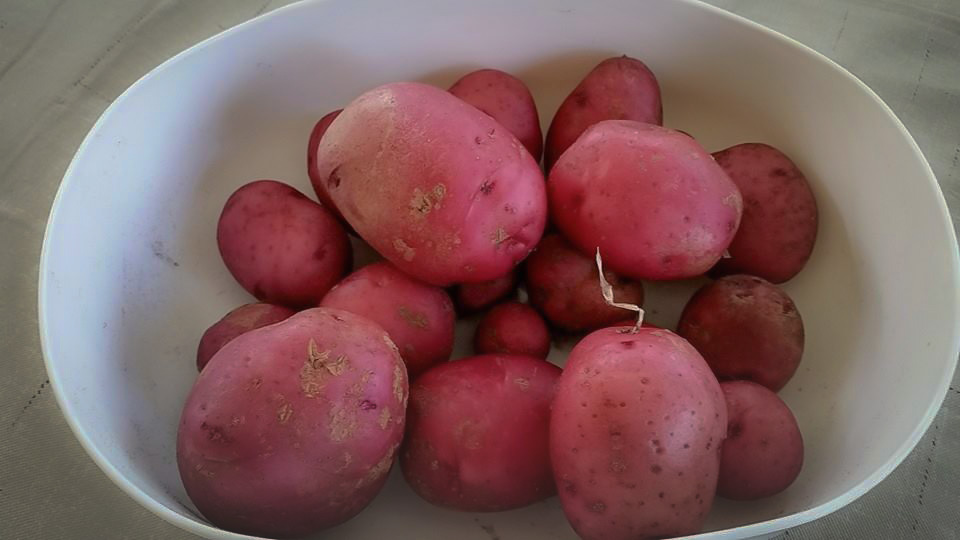
Potatoes are especially valuable because they are productive, useful, and satisfying to harvest.
They offer a substantial crop from below the soil and store well when handled properly. For gardeners who want a practical staple crop, potatoes are an excellent addition to the garden.
When planted at the right time for Southern conditions, they can be one of the most rewarding cool-season crops to grow.
Growing Potatoes Successfully in Southern Gardens
Potatoes are a productive and rewarding crop for Southern gardeners when planted during the cooler part of the season and grown in loose, fertile, well-drained soil. With proper timing, hilling, steady moisture, and careful harvest, they can produce a satisfying crop of useful tubers for fresh eating and storage.
Because they perform best before summer heat becomes intense, potatoes are an excellent addition to a cool-season Southern planting plan.
With the right setup and basic care, potatoes can become a dependable part of your Southern vegetable garden.