How to Grow Corn in Southern Gardens: A Complete Growing Guide
Corn is one of the most iconic crops you can grow in a home garden. Its tall stalks, sweet ears, and strong summer growth make it a favorite for gardeners who want to grow a classic warm-season vegetable.
In Southern gardens, corn can grow very well when planted at the right time and given the space, sunlight, and moisture it needs. Because it loves warm soil and full sun, corn is especially well suited to long Southern growing seasons.
With proper spacing, good pollination, and consistent watering, corn can be a rewarding addition to a Southern vegetable garden.
Why Corn Grows Well in Southern Gardens
Corn is a warm-season crop that thrives in heat and sunshine.
Some of the reasons gardeners enjoy growing corn include:
- Strong performance in warm weather
- Productive summer harvests
- A classic home garden crop
- Excellent for larger garden spaces
- Useful fresh, cooked, or preserved
Because Southern gardens often have long warm seasons, corn can be a productive crop when planted with good timing and enough room to grow.
If you’re deciding what else grows well in heat, explore our guide on the Best Vegetables for Southern Gardens.
When to Plant Corn in the South
Timing is important when growing corn successfully.
Corn should be planted after the danger of frost has passed and the soil has warmed.
In Southern gardens, this usually means planting in spring once outdoor conditions are consistently warm enough for strong germination.
For the best planting times in your area, refer to our Southern Vegetable Planting Calendar.
Planting too early into cool soil can slow germination.
For another productive warm-season crop, read How to Grow Green Beans in Southern Gardens.
Choosing the Right Planting Location
Corn grows best in a location that provides:
- Full sun
- Fertile, well-drained soil
- Enough space for blocks of plants
- Good airflow
Corn is not a crop for small, shaded spaces. Because it grows tall and depends on wind pollination, location and layout matter a great deal.
Raised beds can work for corn if they are large enough, but most gardeners grow it in rows or blocks in open garden areas.
Why Corn Should Be Planted in Blocks
One of the most important things to know about growing corn is that it is pollinated by wind.
Because of this, corn usually performs best when planted in blocks rather than a single long row.
Block planting helps pollen move more effectively between plants and improves ear development.
Planting corn in several short rows or a square block often leads to better pollination than planting one narrow row.
If you are planning a larger summer garden, explore How to Grow Squash in Southern Gardens.
Preparing Soil for Corn
Corn grows best in fertile, loose soil with good drainage and plenty of organic matter.
Before planting, prepare the bed by:
- Removing weeds and debris
- Loosening compacted soil
- Mixing in compost or organic matter
- Raking the bed smooth
Corn is a relatively heavy feeder, so starting with healthy soil is especially important.
If you are new to growing in warm climates, our Complete Guide to Southern Gardening is a helpful place to start.
How to Plant Corn
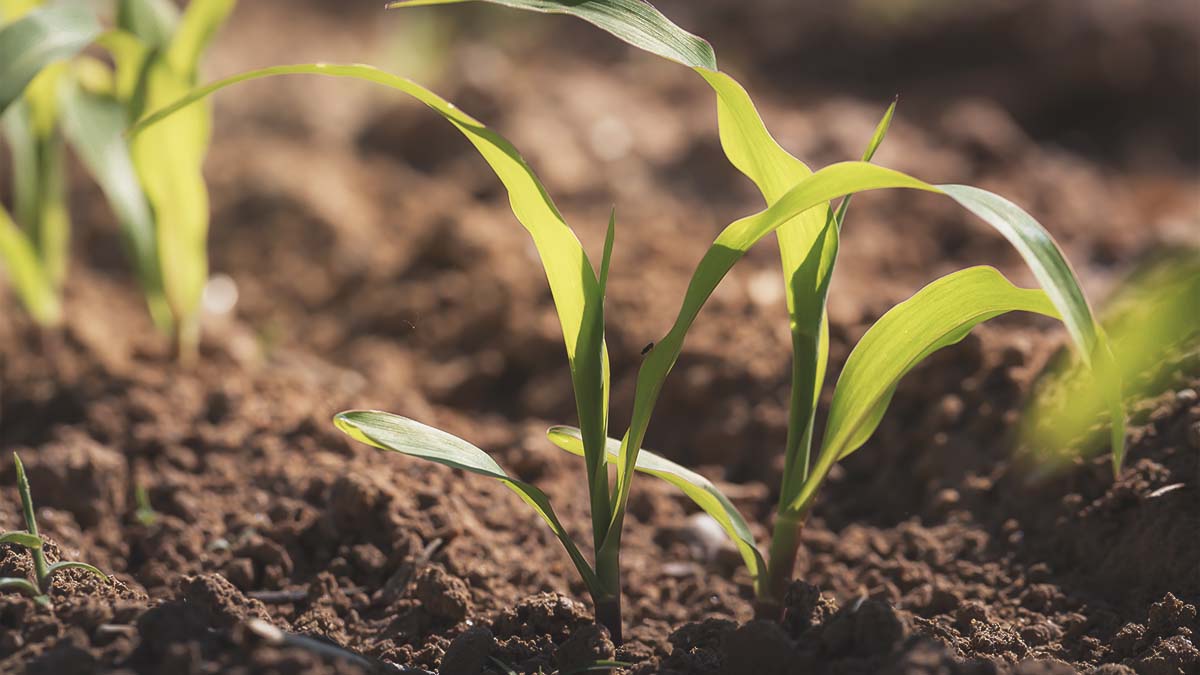
Corn is usually direct sown into the garden once the soil is warm enough.
Planting Depth
Sow seeds about:
- 1 to 1½ inches deep
Spacing
As a general guide:
- Space seeds a 6″ inches apart in blocks of 4, 12″ between block. 24″ between rows.
- Thin seedlings as needed
Always check the seed packet for exact spacing recommendations.
If you need help understanding packet instructions, read How to Read a Seed Packet for Better Garden Success.
Watering Corn
Corn needs consistent moisture, especially during germination, active growth, and ear development.
Helpful watering practices include:
- Keep soil evenly moist
- Water deeply rather than lightly
- Avoid prolonged dry periods
- Pay special attention during tasseling and ear formation
Corn can be stressed quickly by lack of water, especially during key growth stages.
Mulch can help conserve soil moisture and reduce weed competition.
For another heat-loving Southern staple, see How to Grow Okra in Southern Gardens.
Fertilizing Corn
Corn benefits from fertile soil and steady nutrition.
A good approach includes:
- Starting with compost-enriched soil
- Using a balanced fertilizer if needed
- Supporting strong leafy growth during the season
Because corn grows tall and quickly, it usually benefits from more fertility than some lighter-feeding crops.
Thinning Young Corn Plants
If seeds germinate too closely together, thinning may be needed to give plants enough space.
Proper spacing helps:
- Improve airflow
- Reduce competition
- Support better ear development
- Keep rows easier to manage
If seedlings are crowded, you may want to review our guide on How to Thin Seedlings for Healthier Plants.
Common Problems When Growing Corn
Corn can be rewarding, but gardeners may still encounter a few common challenges.
Poor Pollination
If ears develop with many missing kernels, pollination may have been weak.
This often happens when corn is planted in a single row rather than a block.
Uneven Germination
Cool soil, dry conditions, or poor seed-to-soil contact can affect germination.
Water Stress
Corn needs steady moisture, especially when ears are developing.
Nutrient Deficiency
Because corn is a heavier feeder, poor soil fertility can limit growth and production.
Pest Control for Growing Corn Successfully in Southern Gardens
Oncr the corn plants is about 8″ or so and sturdy, they need to be treated for worms or vine borers. We must treat before we damage to ensure a good crop. Spray into the middle leaves and stem, early evening not in the heat of the day. This will need to be done after a heavy rainfall and if we see any evidence of worms. Its especially important when tassleing.
Harvesting Corn
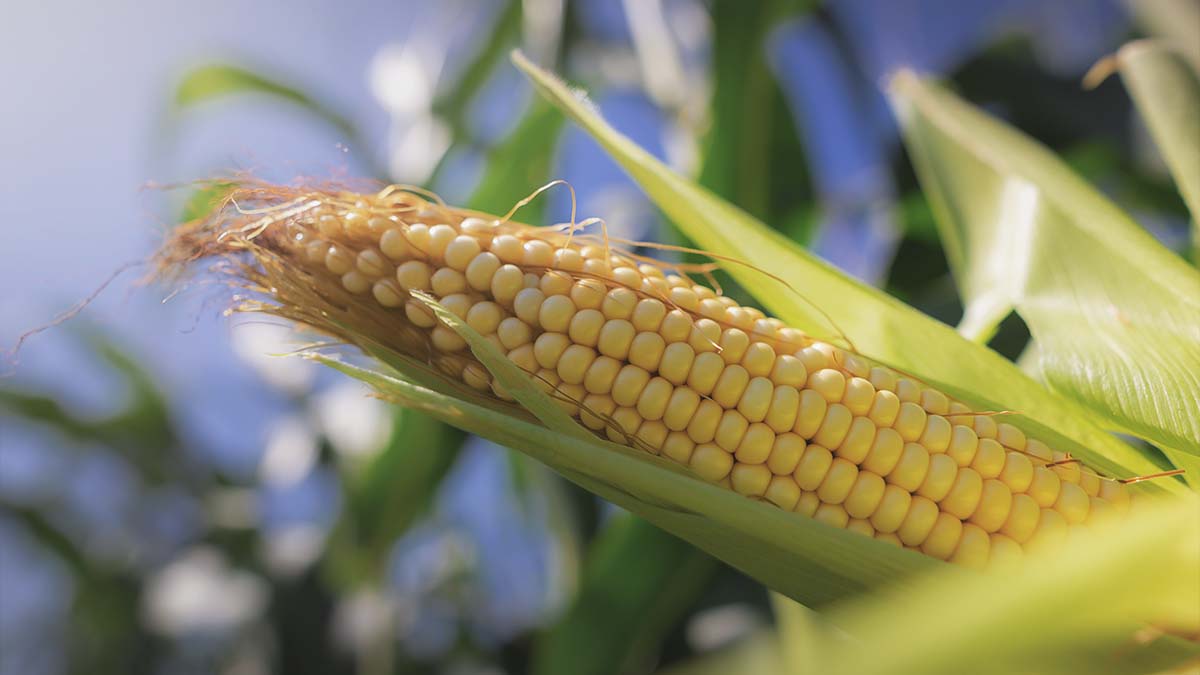
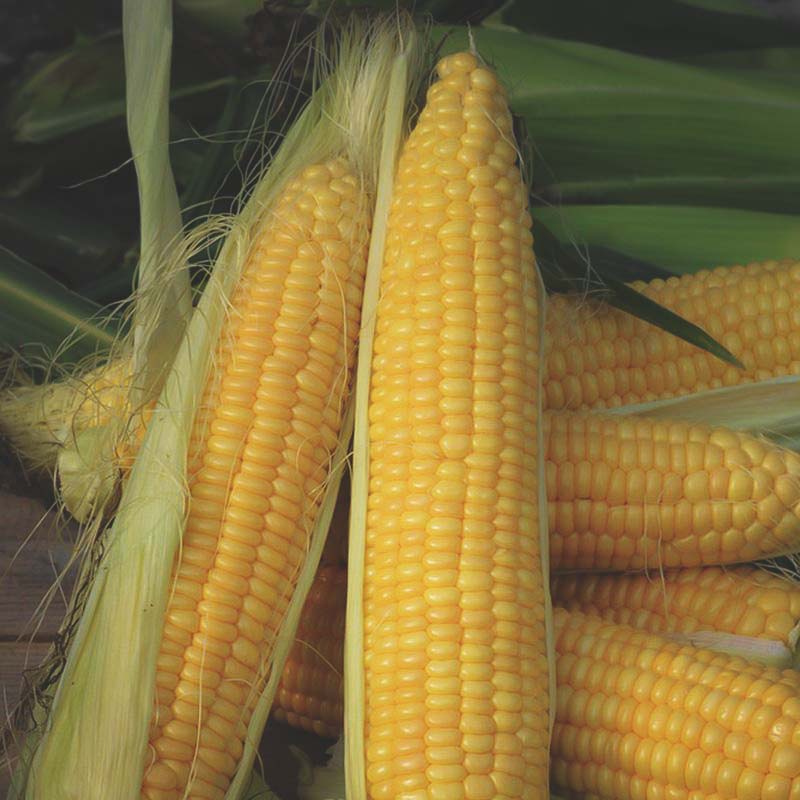
Corn is usually ready to harvest when ears are full and kernels can be popped with a fingernail.
For sweet corn, gardeners often check maturity by:
- Looking at silk browning
- Feeling the ear fill out
- Checking kernel development carefully
Corn is best harvested at the right stage because sweetness and texture are at their peak then.
Once harvested, sweet corn is best eaten or processed relatively quickly for best flavor.