How to Grow Sweet Potatoes in Southern Gardens: A Complete Growing Guide
Sweet potatoes are one of the best warm-season crops for Southern gardens. They thrive in heat, grow well in long seasons, and reward gardeners with a productive harvest of flavorful roots.
Unlike regular potatoes, sweet potatoes love warm soil and hot weather. This makes them especially well suited to Southern climates where many other crops begin to struggle during the heat of summer.
With proper timing, loose soil, and enough room to grow, sweet potatoes can become one of the most dependable and rewarding crops in a Southern vegetable garden.
Why Sweet Potatoes Grow Well in Southern Gardens
Sweet potatoes are naturally well suited to warm climates.
Some of the reasons gardeners enjoy growing sweet potatoes include:
- Excellent heat tolerance
- Strong performance in long growing seasons
- Productive harvests from a small planting area
- Useful in many recipes
- Good storage potential after harvest
Because sweet potatoes thrive in the same hot conditions that stress many other vegetables, they are especially valuable in Southern gardens.
If you’re deciding what else grows well in heat, explore our guide on the Best Vegetables for Southern Gardens.
When to Plant Sweet Potatoes in the South
Timing is one of the most important parts of growing sweet potatoes successfully.
Sweet potatoes slips should be planted when the weather is warm and will stay that way.
For the best planting times in your area, refer to our Southern Vegetable Planting Calendar.
Planting too early into cool soil can slow growth and reduce success.
Growing Sweet Potatoes from Slips
Sweet potatoes are grown from slips, which are young shoots grown from a mature sweet potato, rather than from true seed.
You usually buy slips at a farmers market. You can also grow your own from last seasons harvest. Actually the potatoes will sprout on their own if conditions are right.
When slips are about 6-12″ long break them off and plant them. You could cut the potato with the slip intact but they better if planted without the potato peice.
Slips are planted into warm soil and develop into vigorous vines that produce roots underground.
This is different from regular potatoes, which are often grown from seed potatoes or cut tubers.
Healthy slips are the standard way most gardeners grow sweet potatoes successfully.
How to Plant Sweet Potato Slips
Sweet potato slips are planted into warm soil once weather conditions are favorable.
Planting Tips
- Plant each slip about 30-36″ apart.
- They may wilt at first so they can be shaded until established. But either way they will be fine.
- Water thoroughly after planting and everyday until established.
Because sweet potatoes vine out and spread, giving them enough room helps improve growth and makes harvesting easier later. Potatoes will only grow where the vines root into the soil.
One slip shoul produce 4-5 lbs of potatoes.
If you want another heat-loving Southern crop, see our guide on How to Grow Okra in Southern Gardens.
Choosing the Right Planting Location
Sweet potatoes grow best in a location that provides:
- Full sun
- Loose, well-drained soil
- Plenty of room for vines to spread
- Warm soil conditions
Because sweet potatoes produce their roots underground, good drainage and loose soil are very important.
Raised beds can work especially well because they help with soil warmth and drainage.
For another productive warm-season vegetable, read How to Grow Green Beans in Southern Gardens.
Watering Sweet Potatoes
Sweet potatoes need regular moisture while they are getting established.
Helpful watering practices include:
- Water consistently after planting
- Keep soil evenly moist during establishment
- Avoid overly soggy conditions
- Reduce unnecessary overwatering once plants are well established
Once the vines are growing strongly, sweet potatoes are more tolerant of warm, dry conditions than many other crops.
Steady but not excessive moisture helps support healthy root development.
Fertilizing Sweet Potatoes
Sweet potatoes do best in reasonably fertile soil but usually do not need heavy feeding.
A good approach includes:
- Starting with well-prepared soil
- Adding compost if needed
- Avoiding excessive nitrogen
Too much nitrogen can produce large vines and leaves while reducing root production underground.
Balanced soil preparation is usually more effective than frequent fertilizing.
Managing Sweet Potato Vines
Sweet potato vines can spread widely across the garden.
This is normal, but gardeners should keep in mind that:
- Vines need room to grow
- Crowded vines can make the bed difficult to manage
- Mulch can help suppress weeds beneath spreading growth
Because the plant’s energy is going into both vines and roots, healthy leaf growth is important, but excessive foliage without root development can indicate soil that is too rich.
If you’re planning a full warm-season garden, explore How to Grow Squash in Southern Gardens.
Common Problems When Growing Sweet Potatoes
Sweet potatoes are generally reliable in Southern gardens, but gardeners may still encounter a few common issues.
Poor Root Development
Possible causes include:
- Planting too early in cool soil
- Heavy or compacted soil
- Too much nitrogen
- Crowding
Rot or Poor Growth
Poor drainage can lead to weak growth and root problems.
Excess Vine Growth
If plants produce lots of leaves but few sweet potatoes, soil fertility may be out of balance.
Good soil preparation at the beginning often prevents many of these issues.
Harvesting Sweet Potatoes
Sweet potatoes are usually harvested once the growing season is well advanced and the roots have had time to size up.
Gardeners often harvest before the first frost or once vines begin to decline.
To harvest:
- Loosen soil carefully
- Lift roots gently
- Avoid bruising or cutting the potatoes
Sweet potatoes can be damaged easily during harvest, so careful digging is important.
Curing Sweet Potatoes After Harvest
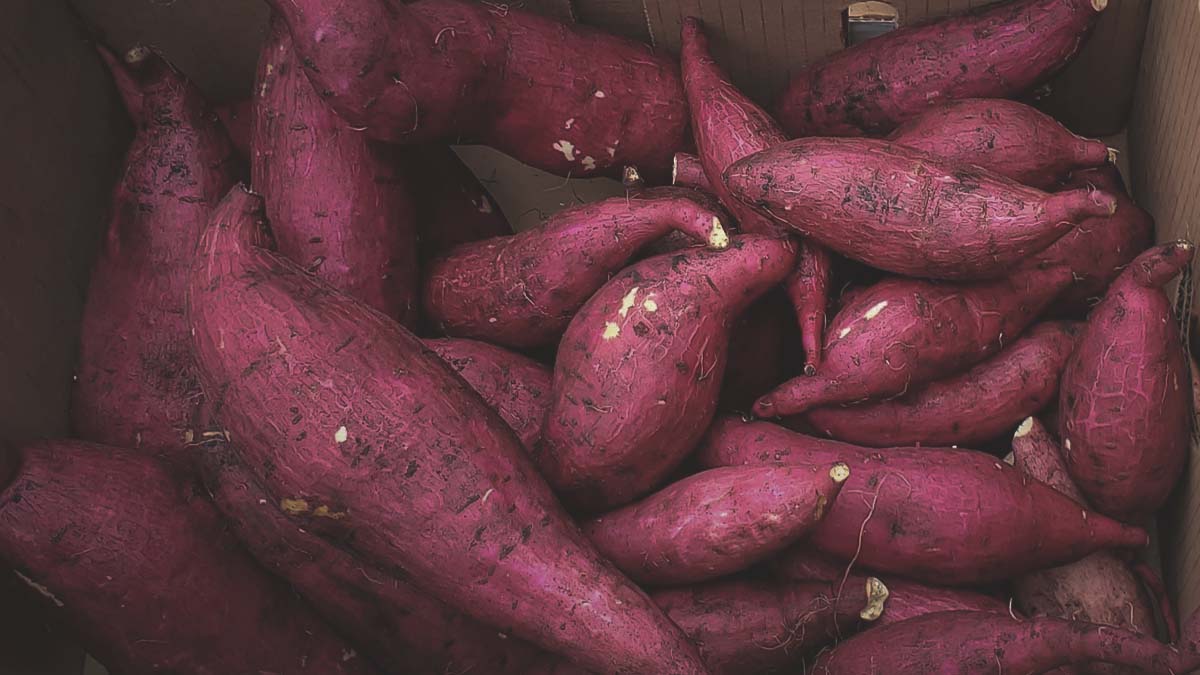
After harvest, sweet potatoes are often cured before long-term storage.
To cure them place them in a single layer in a warm area for about 1-2 weeks.
Curing helps:
- Improve flavor
- Heal minor skin injuries
- Extend storage life
After curing, sweet potatoes can be stored in a dry location with appropriate conditions for longer keeping.
This makes them one of the most practical warm-season crops for home gardeners.
Why Sweet Potatoes Are a Valuable Southern Crop
Sweet potatoes are especially valuable in Southern gardens because they thrive in heat, produce a substantial harvest, and store well after harvest.
They make excellent use of the long warm season and bring real kitchen value long after the growing season ends.
For gardeners who want a dependable warm-weather crop that performs well in Southern heat, sweet potatoes are an excellent choice.