How to Grow Squash in Southern Gardens: A Complete Growing Guide
Squash is one of the most productive and rewarding crops you can grow in a home garden. It grows quickly, produces generously, and performs especially well in the warm conditions common throughout Southern gardens.
Whether you prefer summer squash like zucchini and yellow squash or winter squash grown for storage, squash can be a valuable addition to the garden. With the right timing, healthy soil, and regular harvesting, squash plants can provide an abundant harvest through much of the growing season.
For Southern gardeners, squash is often one of the easiest warm-season crops to grow successfully.
Why Squash Grows Well in Southern Gardens
Squash loves warm soil, sunshine, and a long growing season, which makes it well suited to Southern climates.
Some of the benefits of growing squash include:
- Fast growth in warm weather
- Heavy production from healthy plants
- Easy direct sowing
- Suitable for garden beds, raised beds, and larger containers
- Multiple options, including summer and winter squash
If you’re deciding what to grow this season, be sure to explore our guide on the Best Vegetables for Southern Gardens for more crops that thrive in warm climates.
Summer Squash vs. Winter Squash
Before planting, it helps to understand the difference between summer squash and winter squash.
Summer Squash
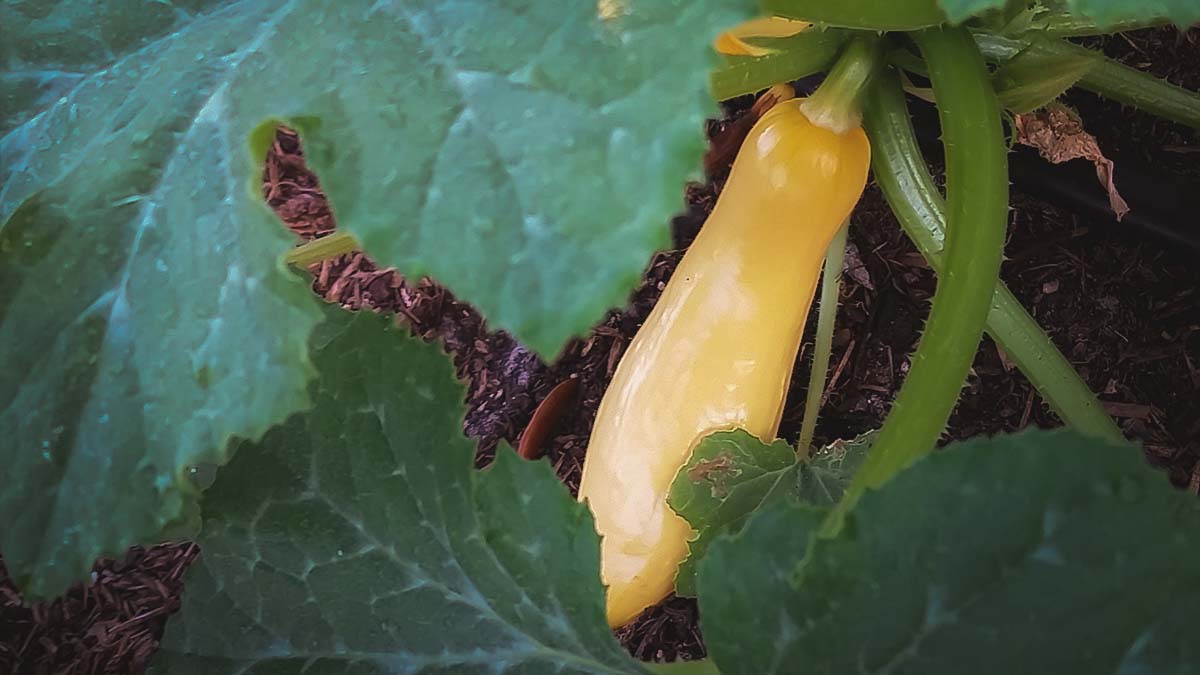
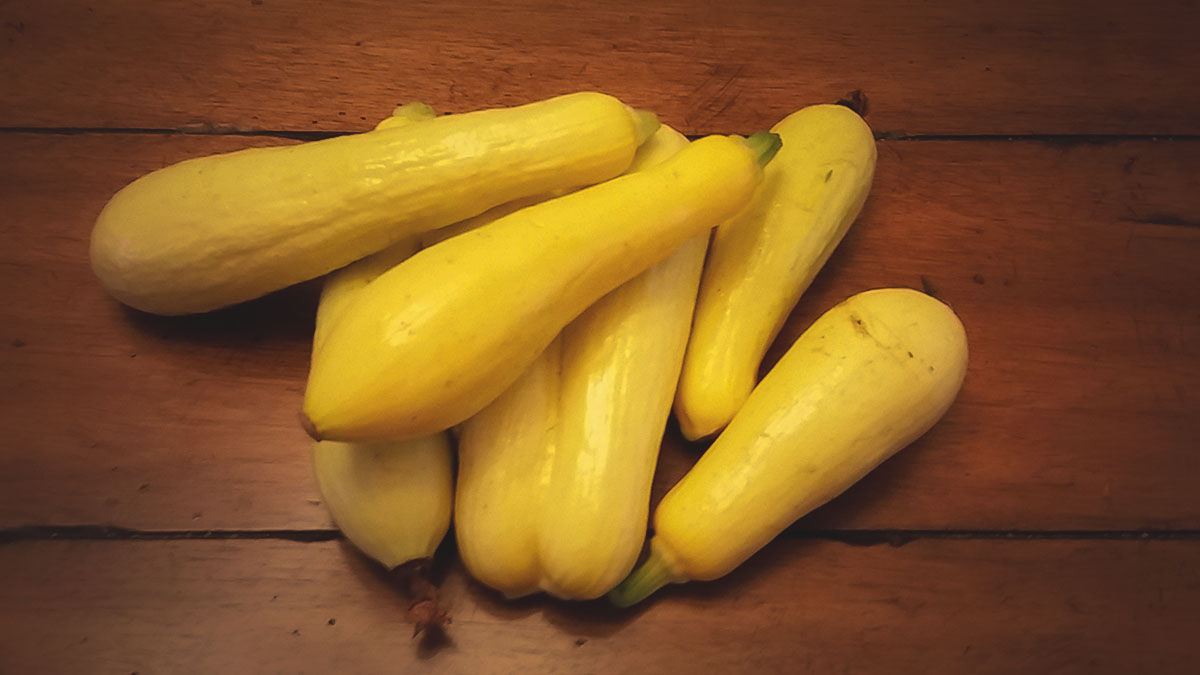
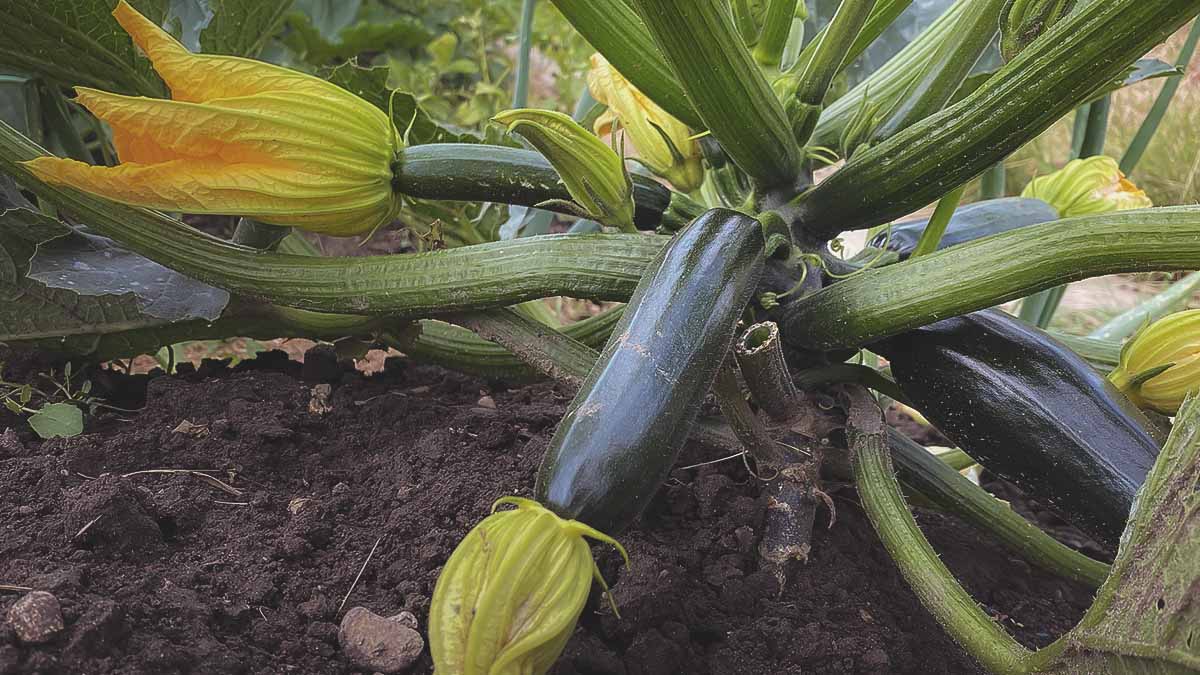
Summer squash is harvested while the skin is still tender and immature. Common examples include:
- Zucchini
- Yellow squash
- Patty pan squash
These plants are often very productive and should be harvested frequently.
Winter Squash
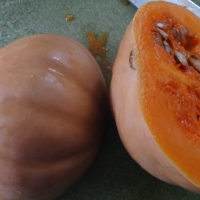
Winter squash is allowed to mature fully on the vine until the skin hardens. Common examples include:
- Butternut squash
- Acorn squash
- Spaghetti squash
Winter squash usually takes longer to mature and is often grown for storage.
Both types can grow well in Southern gardens with proper care.
When to Plant Squash in the South
Squash should be planted after the danger of frost has passed and the soil has warmed.
In Southern gardens, squash is often planted in spring and, in some areas, again later in the season for another harvest window.
For the best planting times in your area, refer to our Southern Vegetable Planting Calendar.
Because squash grows quickly, many gardeners enjoy succession planting to keep fresh harvests coming.
Choosing the Right Planting Location
Squash grows best in a sunny location with plenty of room to spread.
For best results, choose a spot that provides:
- At least 6–8 hours of sunlight
- Fertile, well-drained soil
- Good airflow
- Plenty of space for vines or large leaves
Some squash varieties spread widely, so giving plants enough room is important for healthy growth.
Preparing Soil for Squash
Squash grows best in rich, loose soil with good drainage.
Before planting, prepare the area by:
- Removing weeds and debris
- Loosening the soil
- Mixing in compost or other organic matter
Healthy soil supports vigorous growth and strong production.
If you are new to growing in warm climates, our Complete Guide to Southern Gardening is a great place to start.
How to Plant Squash
Squash is usually direct sown into the garden once the soil is warm.
Planting Depth
Sow seeds about:
- 1 inch deep
Spacing
Spacing depends on the variety, but squash generally needs room to spread.
As a general rule:
- Bush types can be planted closer together
- Vining types need more room for growth and airflow
Always check the seed packet for exact spacing recommendations.
Warm soil helps squash seeds germinate quickly and evenly.
Watering Squash
Squash needs steady moisture for strong growth and fruit development.
Helpful watering practices include:
- Water deeply rather than lightly
- Keep soil evenly moist
- Water at the base of the plant when possible
- Use mulch to help retain moisture and suppress weeds
Inconsistent watering can stress plants and reduce production.
Fertilizing Squash
Squash benefits from rich soil and moderate feeding during the growing season.
A good approach is to:
- Start with compost-enriched soil
- Use a balanced vegetable fertilizer if needed
- Avoid overdoing nitrogen, which can encourage excessive leaves with fewer fruits
Healthy soil and regular watering do more for squash than heavy fertilizing alone.
Common Problems When Growing Squash
Squash is usually productive, but gardeners may encounter a few common challenges.
Poor Fruit Set
If plants are flowering but not producing squash, possible causes include:
- Pollination issues
- Excess nitrogen
- Heat stress
- Rotting Fruit
Fruit resting on very wet soil or developing during inconsistent watering can sometimes rot before maturity.
Mulching and watering evenly can help.
Pests
Squash plants can attract common garden pests, especially in warm weather.
If you notice sap-sucking insects on leaves or stems, see our guide on Aphids on Vegetable Plants: How to Identify and Control Them.
Later, this article can also link naturally to a future squash pest guide.
Harvesting Squash
Harvesting time depends on whether you are growing summer squash or winter squash.
Summer Squash Harvest
Pick summer squash while fruits are still small to medium in size and the skin is tender.
Frequent harvesting encourages plants to keep producing.
Winter Squash Harvest
Allow winter squash to mature fully on the vine until the rind is hard and the fruit reaches full color.
Winter squash is typically harvested later and may be cured before storage, depending on the variety.
Growing Squash Successfully in Southern Gardens
Squash is a fast-growing and productive crop that fits beautifully into Southern gardens. With warm soil, full sun, rich soil, and consistent watering, squash plants can produce generous harvests throughout the season.
Whether you choose tender summer squash or longer-maturing winter squash, this crop can be a dependable part of a Southern vegetable garden.
With the right timing and basic care, squash is one of the most rewarding warm-season crops to grow at home.