How to Grow Radishes in Southern Gardens: A Complete Growing Guide
Radishes are one of the easiest and fastest vegetables to grow in a home garden. Their quick growth, crisp texture, and peppery flavor make them a favorite for beginner gardeners and experienced growers alike.
In Southern gardens, radishes perform best during cooler seasons. Because they mature quickly, they are an excellent crop for filling gaps between larger plantings or for adding fast harvests to fall, winter, and early spring gardens.
With loose soil, steady moisture, and proper timing, radishes can be one of the simplest and most satisfying crops to grow.
Why Radishes Grow Well in Southern Gardens
Radishes are especially useful in Southern gardens because they grow quickly during cooler weather and do not require a long growing season.
Some of the reasons gardeners enjoy growing radishes include:
- Very fast maturity
- Easy direct sowing
- Great for beginner gardeners
- Excellent for fall, winter, and early spring planting
- Suitable for garden beds, raised beds, and containers
Because many radish varieties mature in just a few weeks, they are ideal for succession planting and quick harvests.
If you’re deciding what else to grow in cooler seasons, explore our guide on the Best Vegetables for Southern Gardens.
When to Plant Radishes in the South
Timing is one of the most important factors when growing radishes in Southern climates.
Because radishes prefer cooler weather, they are usually planted during:
- Late winter or early spring
- Late summer for fall harvests
- Fall and winter in mild Southern climates
Radishes are generally not a good crop for peak summer because hot weather can make them bolt quickly or develop poor-quality roots.
For the best planting times in your area, refer to our Southern Vegetable Planting Calendar.
Choosing the Right Planting Location
Radishes grow best in a spot that provides:
- Full sun to partial sun
- Loose, well-drained soil
- Enough depth for root development
- Good airflow
Raised beds and well-prepared garden rows are excellent choices for growing radishes.
Preparing Soil for Radishes
Like other root crops, radishes grow best in loose, smooth soil free of rocks and heavy clumps.
Before planting, prepare the bed by:
- Removing rocks, roots, and debris
- Loosening compacted soil
- Raking the surface smooth
- Adding compost if needed
Well-prepared soil helps radishes develop evenly and improves root quality.
If you are new to growing in warm climates, our Complete Guide to Southern Gardening is a helpful place to start.
How to Plant Radishes
Radishes are usually direct sown into the garden because they grow quickly and do not need transplanting.
Planting Depth
Sow seeds about:
- ¼ to ½ inch deep
Spacing
Because radishes are small root crops, they can be planted relatively closely, but they still need enough room to size up properly.
As a general guide:
- Sow seeds thinly in rows
- Thin seedlings as needed once they begin growing
Always check the seed packet for the best spacing for the specific variety.
Watering Radishes
Radishes need steady moisture to grow crisp, tender roots.
Helpful watering practices include:
- Keep soil evenly moist
- Water gently during germination
- Avoid letting the soil dry out completely
- Water consistently as roots develop
Inconsistent watering can lead to poor root development, cracking, or tough texture.
Mulch can help regulate moisture and soil temperature once seedlings are established.
Why Radishes Grow So Quickly
One of the reasons radishes are so popular is their speed.
Many varieties mature in just a few weeks, which makes them a great option for:
- Beginner gardeners
- Succession planting
- Filling empty garden space
- Teaching children about gardening
Because they mature so quickly, radishes give gardeners a fast reward and help build confidence.
Thinning Radish Seedlings
If radish seeds are planted too closely together, roots may remain small or develop poorly.
Thinning helps:
- Reduce crowding
- Improve root development
- Encourage better airflow
While it can be tempting to skip thinning, giving radishes enough space improves overall harvest quality.
Common Problems When Growing Radishes
Radishes are generally easy to grow, but gardeners may still encounter a few common problems.
Small or Poorly Formed Roots
This may be caused by:
- Crowding
- Compacted soil
- Inconsistent moisture
- Hot Weather Stress
When temperatures become too warm, radishes may become pithy, overly spicy, or begin to bolt.
Cracking
Rapid changes in moisture can cause roots to split.
Keeping the soil evenly moist helps prevent this issue.
Harvesting Radishes
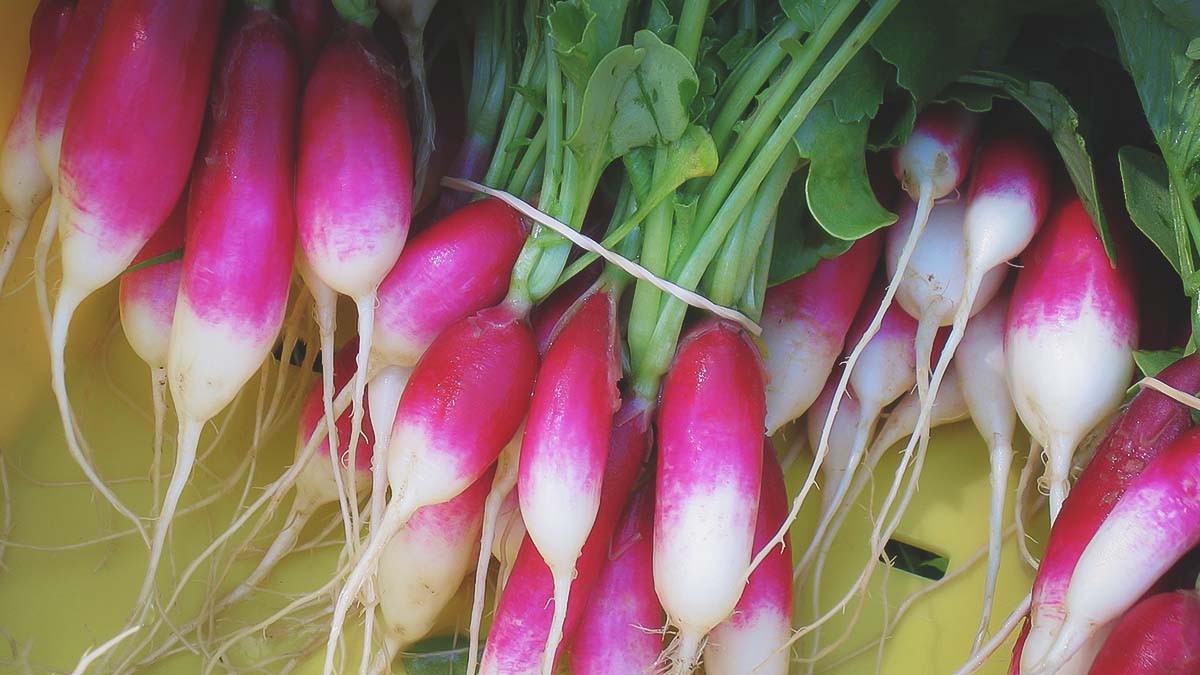
Radishes should be harvested while roots are still young, crisp, and at the proper size for the variety.
Because they mature quickly, it is best to check them often rather than leaving them too long in the ground.
Overgrown radishes can become woody, pithy, or too strong in flavor.
Pulling a few sample roots can help you determine when the rest of the crop is ready to harvest.
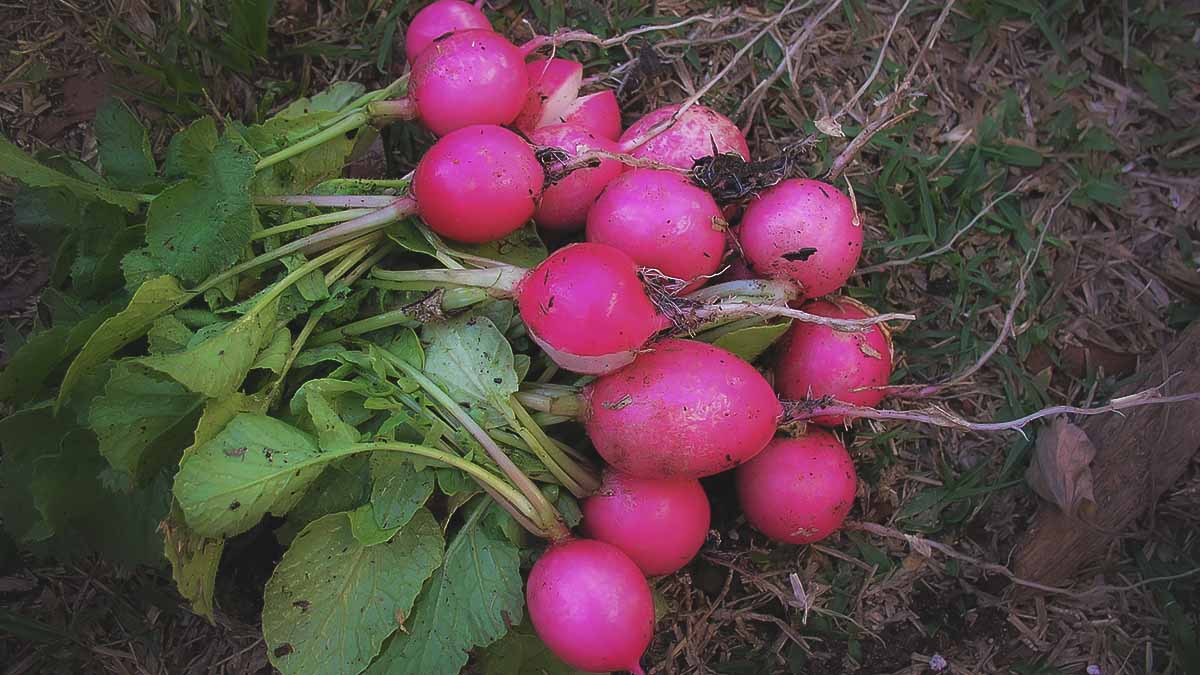
Why Radishes Are Great for Succession Planting
Because radishes grow so quickly, they are one of the best vegetables for succession planting.
Gardeners can sow a small amount of seed every week or two during the cool season for a more continuous harvest.
This makes radishes especially useful for gardeners who want steady production rather than one large harvest all at once.
Growing Radishes Successfully in Southern Gardens
Radishes are a fast, easy, and rewarding crop for Southern gardeners when grown during cooler seasons. With loose soil, proper spacing, and consistent moisture, they can produce crisp, flavorful roots in a short amount of time.
Because they mature so quickly, radishes are a great choice for beginners, succession planting, and filling gaps in the garden.
With the right timing and basic care, radishes can become one of the easiest crops in your Southern vegetable garden.