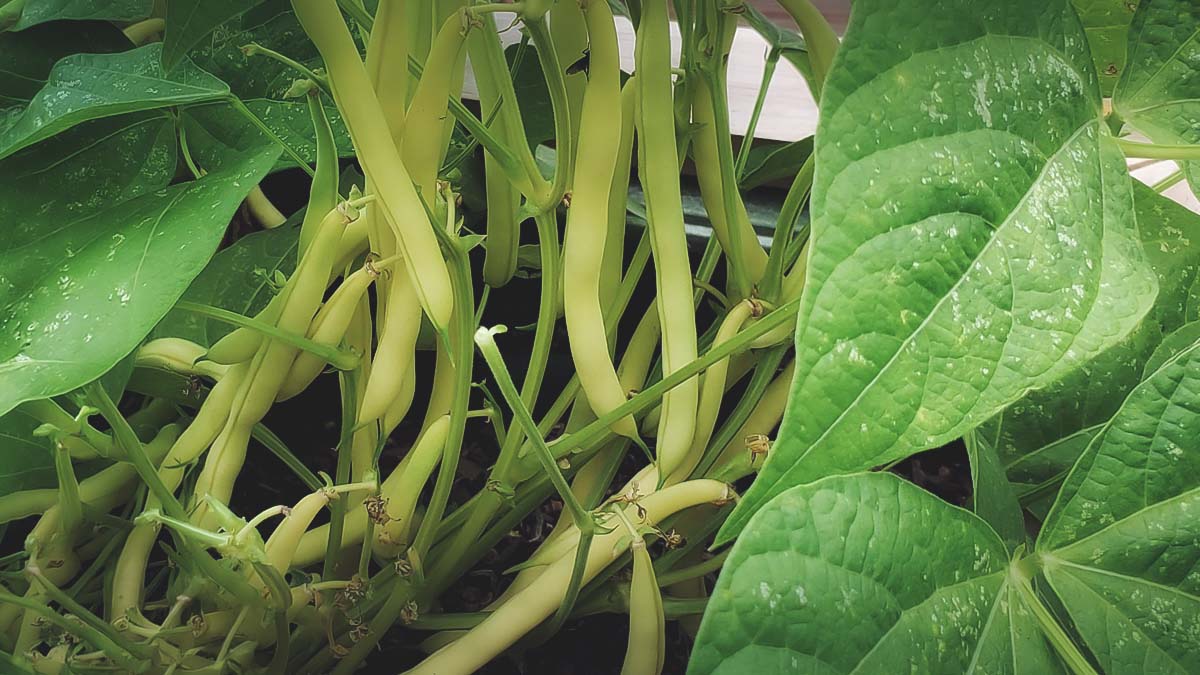
How to Grow Green Beans in Southern Gardens: A Complete Growing Guide
Green beans are one of the easiest and most rewarding vegetables to grow in a home garden. They grow quickly, produce generously, and are a great choice for both beginner and experienced gardeners.
In Southern gardens, green beans perform especially well when planted during the right seasons and given proper care. With warm soil, good sunlight, and regular harvesting, bean plants can provide a steady supply of fresh pods throughout the growing season.
Whether you prefer bush beans or pole beans, green beans are an excellent addition to a Southern vegetable garden.
Why Green Beans Grow Well in Southern Gardens
Green beans thrive in warm weather and are well suited to many Southern growing conditions.
Some of the benefits of growing green beans include:
- Fast germination and growth
- High productivity
- Easy care
- Good performance in warm weather
- Suitable for garden beds, raised beds, and containers
Beans are also helpful in the garden because they are legumes, which means they can contribute to soil health as part of a well-planned crop rotation.
If you are deciding what to plant, be sure to explore our Best Vegetables for Southern Gardens for more productive crops suited to warm climates.
Bush Beans vs. Pole Beans
Before planting, it helps to decide whether you want to grow bush beans or pole beans.
Bush Beans
Bush beans grow in compact plants that usually do not need support. They tend to produce their crop over a shorter period, making them a good choice for gardeners who want a concentrated harvest.
Pole Beans
Pole beans grow as vigorous vines and need a trellis, fence, or other support. They usually produce over a longer period and can be a great option for gardeners who want a steady harvest.
Both types grow well in Southern gardens, so the best choice depends on your space and harvesting preference.
When to Plant Green Beans in the South
Green beans prefer warm soil and should be planted after the danger of frost has passed.
In Southern gardens, beans are often planted in spring once the soil has warmed. In many areas, gardeners can also plant a second round in late summer for a fall harvest.
For the best planting times in your area, refer to our Southern Vegetable Planting Calendar.
Because beans grow quickly, succession planting every couple of weeks can provide a longer harvest season.
Choosing the Right Planting Location
Green beans grow best in a location that receives full sun.
For best results, choose a planting spot with:
- At least 6–8 hours of sunlight
- Well-draining soil
- Good air circulation
Healthy soil and strong light help bean plants grow quickly and produce more pods.
Preparing Soil for Green Beans
Green beans grow best in loose, well-drained soil with plenty of organic matter.
Before planting, it helps to:
- Remove weeds and debris
- Loosen the soil
- Mix in compost if needed
Beans do not usually need heavy fertilization, especially if your soil is already healthy. Too much nitrogen can encourage leafy growth at the expense of pod production.
If you are new to gardening in this region, our Complete Guide to Southern Gardening is a great place to start.
How to Plant Green Beans
Green beans are usually direct sown into the garden rather than transplanted.
Planting Depth
Sow seeds about:
- 1 inch deep
Spacing
For bush beans:
- 2–4 inches apart
For pole beans:
- Follow the spacing recommendations for your support structure, usually with enough room for vines to climb and airflow to circulate.
Water the soil gently after planting to help seeds settle in.
Beans typically germinate quickly in warm soil.
Supporting Pole Beans
If you are growing pole beans, provide support at planting time so the vines can begin climbing as they grow.
Common support options include:
- Trellises
- Garden netting
- Arches
- Fences
Growing beans vertically can save space, improve airflow, and make harvesting easier.
Watering Green Beans
Green beans need regular moisture, especially while flowering and producing pods.
Helpful watering practices include:
- Water deeply rather than lightly
- Keep soil evenly moist
- Avoid wetting leaves late in the day if possible
Mulching around plants can help retain moisture and reduce weeds.
Fertilizing Green Beans
Beans are generally light feeders, so they usually do not need much fertilizer.
A balanced approach works best:
- Start with healthy soil
- Add compost before planting if needed
- Avoid over-fertilizing
Too much fertilizer can lead to lush leaves with fewer beans.
Common Problems When Growing Green Beans
Green beans are usually easy to grow, but they can still experience a few common garden issues.
Aphids
Aphids may gather on new growth or the undersides of leaves.
If pests appear, see our guide on Aphids on Vegetable Plants: How to Identify and Control Them.
Poor Pod Production
If plants look healthy but are not producing well, possible causes include:
- Excess nitrogen
- Inconsistent watering
- High heat stress during flowering
Disease Issues
Good airflow, proper spacing, and watering at the base of the plant can help reduce disease problems.
Harvesting Green Beans
Green beans should be harvested while pods are still tender and before seeds inside become overly large.
Pick beans regularly to encourage continued production.
Bush beans often produce heavily over a shorter period, while pole beans can continue producing for weeks with frequent harvesting.
Freshly picked green beans are crisp, flavorful, and one of the most satisfying crops to bring in from the garden.
Growing Green Beans Successfully in Southern Gardens
Green beans are a reliable and productive crop for Southern gardeners. With warm soil, good sunlight, and regular harvesting, they can produce abundant yields in a relatively short time.
Whether you choose bush beans for a quick harvest or pole beans for a longer season, green beans are a simple and rewarding crop to grow at home.
With the right timing and basic care, they can become one of the most productive plants in your Southern vegetable garden.