How to Grow Garlic in Southern Gardens: A Complete Growing Guide
Garlic is one of the most satisfying crops you can grow in a home garden. It is useful in the kitchen, stores well after harvest, and requires relatively little space compared to many other vegetables.
In Southern gardens, garlic is usually grown during the cooler parts of the year. With proper timing, loose soil, and steady care, gardeners can grow healthy bulbs that are harvested months after planting.
Although garlic requires patience, it is not difficult to grow. Once planted, it develops slowly through the cool season and rewards gardeners with a harvest that is both practical and long-lasting.
When to Plant Garlic in the South
Timing is very important when growing garlic.
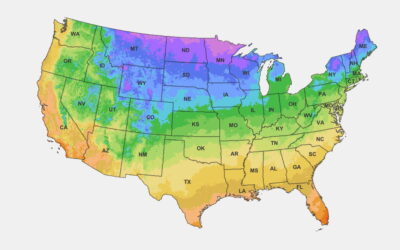
In Southern gardens, garlic is typically planted in fall or early winter, between November and late December, so it can establish roots during cool weather and continue growing through winter into spring.
For the best planting times in your area, refer to our Southern Vegetable Planting Calendar.
Planting too late can reduce bulb development, while proper fall planting gives garlic time to establish before active spring growth begins.
Choosing the Right Garlic Type
Garlic is commonly grouped into two main types:
- Hardneck garlic
- Softneck garlic
In many Southern climates, softneck garlic is often the more practical choice because it is generally better suited to milder winters.
Hardneck garlic can still be grown in some areas, but variety selection matters.
Choosing a type that performs well in your climate is one of the keys to success.
Growing Garlic from Cloves
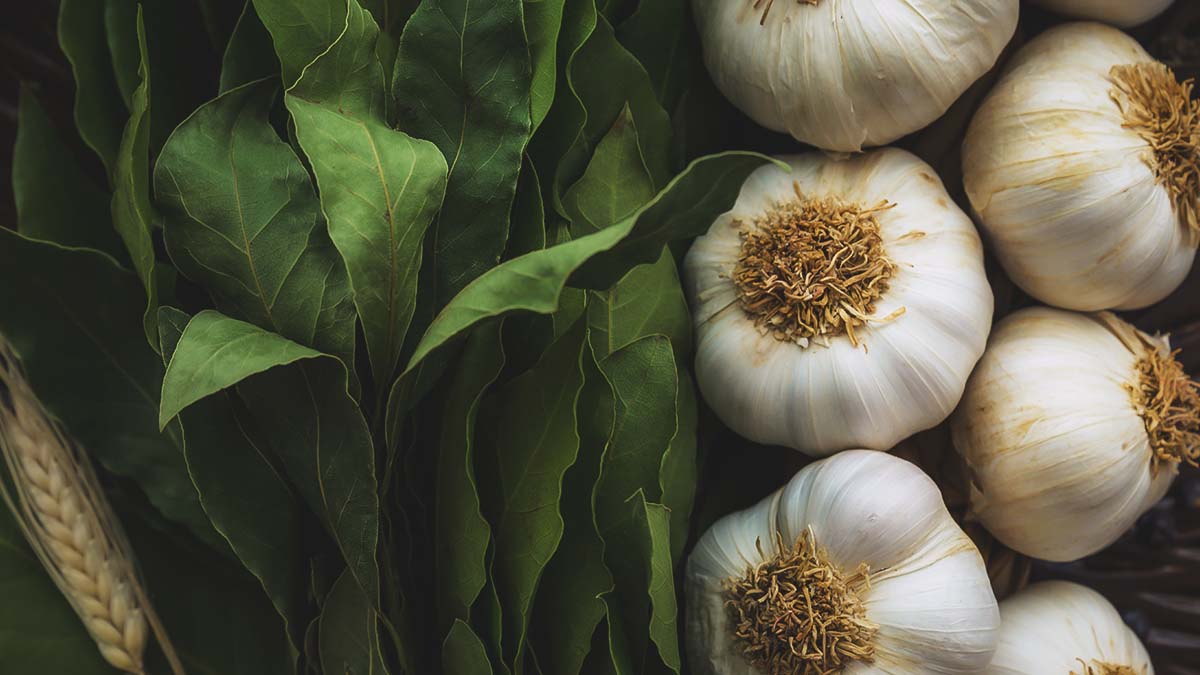
Garlic is usually grown from individual cloves rather than true seed.
Each clove planted in the soil has the potential to develop into a full garlic bulb.
For best results:
- Use healthy cloves from planting garlic
- Refrigerate the bulbs for 6-12 weeks in a paper bag. This is called vernalization to mimic winter.
- Avoid using damaged or very small cloves
- Separate cloves just before planting rather than far in advance leaving the paper skin on.
Larger, healthy cloves often produce stronger plants and better bulbs.
Choosing the Right Planting Location
Garlic grows best in a location that provides:
- Full sun
- Loose, well-drained soil
- Good airflow
- Minimal weed pressure
Raised beds are often an excellent option because they improve drainage and make soil preparation easier.
Garlic does not perform well in heavy, soggy soil.
Preparing Soil for Garlic
Soil preparation is one of the most important parts of growing garlic successfully.
Garlic grows best in:
- Loose soil
- Fertile soil
- Well-drained soil
- Soil with plenty of organic matter
Before planting, prepare the bed by:
- Removing weeds and debris
- Loosening compacted soil
- Mixing in compost or other organic matter
- Raking the bed smooth
Because garlic develops underground, a loose soil structure helps bulbs size up more evenly.
If you are new to growing in warm climates, our Complete Guide to Southern Gardening is a helpful place to start.
How to Plant Garlic
Garlic cloves are planted individually, pointed side up, into prepared soil, 3-4″ deep, 4-6″ apart.
After planting, many gardeners mulch the bed to help regulate moisture, reduce weeds, and protect the soil surface.
Mulching Garlic
Mulch is especially helpful for garlic.
Benefits of mulching include:
- Conserving soil moisture
- Suppressing weeds
- Protecting soil from temperature swings
- Reducing surface crusting
Straw or other light organic mulch is often used, especially after planting in fall.
Mulch can be one of the easiest ways to improve garlic performance over a long growing season.
For another useful cool-season kitchen crop, see our guide on How to Grow Onions in Southern Gardens.
Watering Garlic
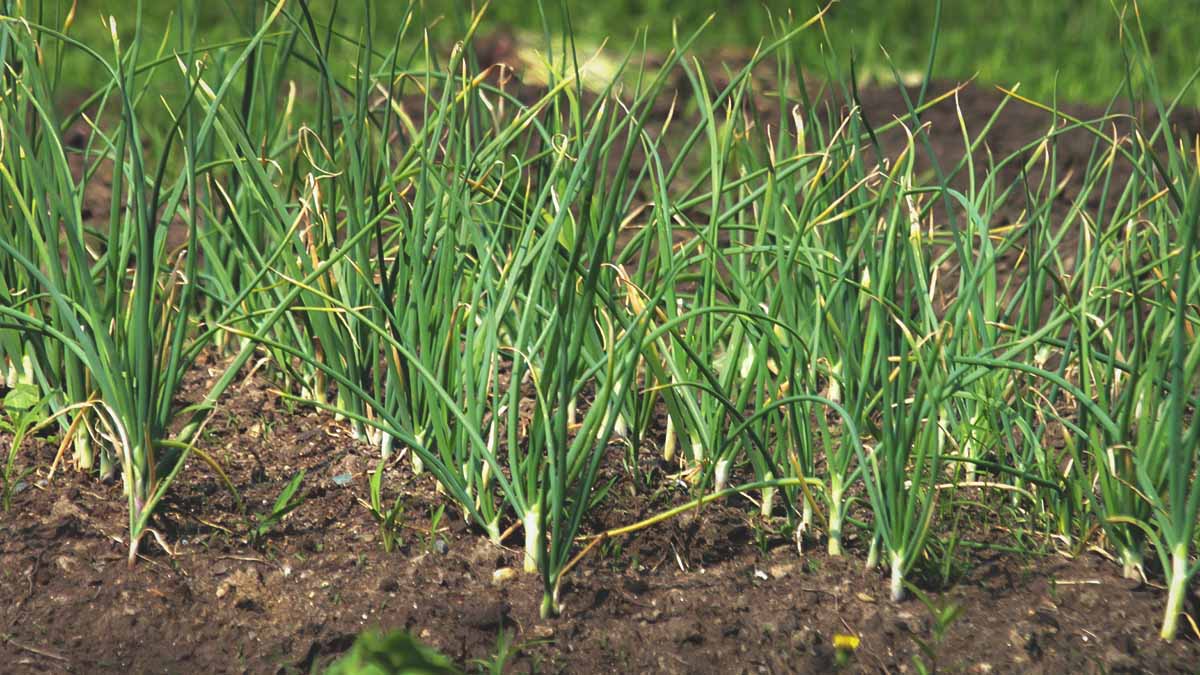
Garlic needs steady moisture while roots and tops are actively growing.
Helpful watering practices include:
- Keep soil evenly moist but not soggy
- Water deeply when needed
- Avoid prolonged overly wet conditions
- Reduce watering as harvest time approaches
Too much water can encourage rot, while too little can reduce bulb size.
Fertilizing Garlic
Garlic benefits from fertile soil and moderate nutrition during active growth.
A good approach includes:
- Starting with compost-rich soil
- Using a balanced fertilizer if needed
- Supporting healthy leafy growth early in the season
Because the leaves help build the bulb, strong top growth is important during the active growing period.
If you are planning a productive cool-season garden, read How to Grow Cabbage in Southern Gardens.
Keeping Garlic Beds Weed-Free
Garlic does not compete especially well with weeds.
Weeds can reduce bulb size by competing for:
- Water
- Nutrients
- Light
- Space
Regular weeding and mulching help garlic stay productive over the long growing season.
Common Problems When Growing Garlic
Garlic is generally easy to grow, but gardeners may still encounter a few common issues.
Small Bulbs
Possible causes include:
- Planting cloves that were too small
- Poor soil fertility
- Crowding
- Inadequate moisture
- Rot Problems
Poor drainage or overly wet soil can lead to bulb rot and poor growth.
Weak Top Growth
Since the leaves help feed the developing bulb, weak foliage can reduce final bulb size.
Poor Bulb Development
Garlic type, planting time, and overall growing conditions all influence how well bulbs mature.
Harvesting Garlic
Garlic is usually harvested when the tops begin to yellow and dry down, but before the plant has completely deteriorated. This is usually 6-6 months from planting.
At harvest time:
- Loosen the soil carefully
- Lift bulbs gently
- Avoid bruising or damaging the bulbs
Freshly harvested garlic should usually be cured in a dry, well-ventilated place before storage.
Curing helps the outer wrappers dry and improves storage life.
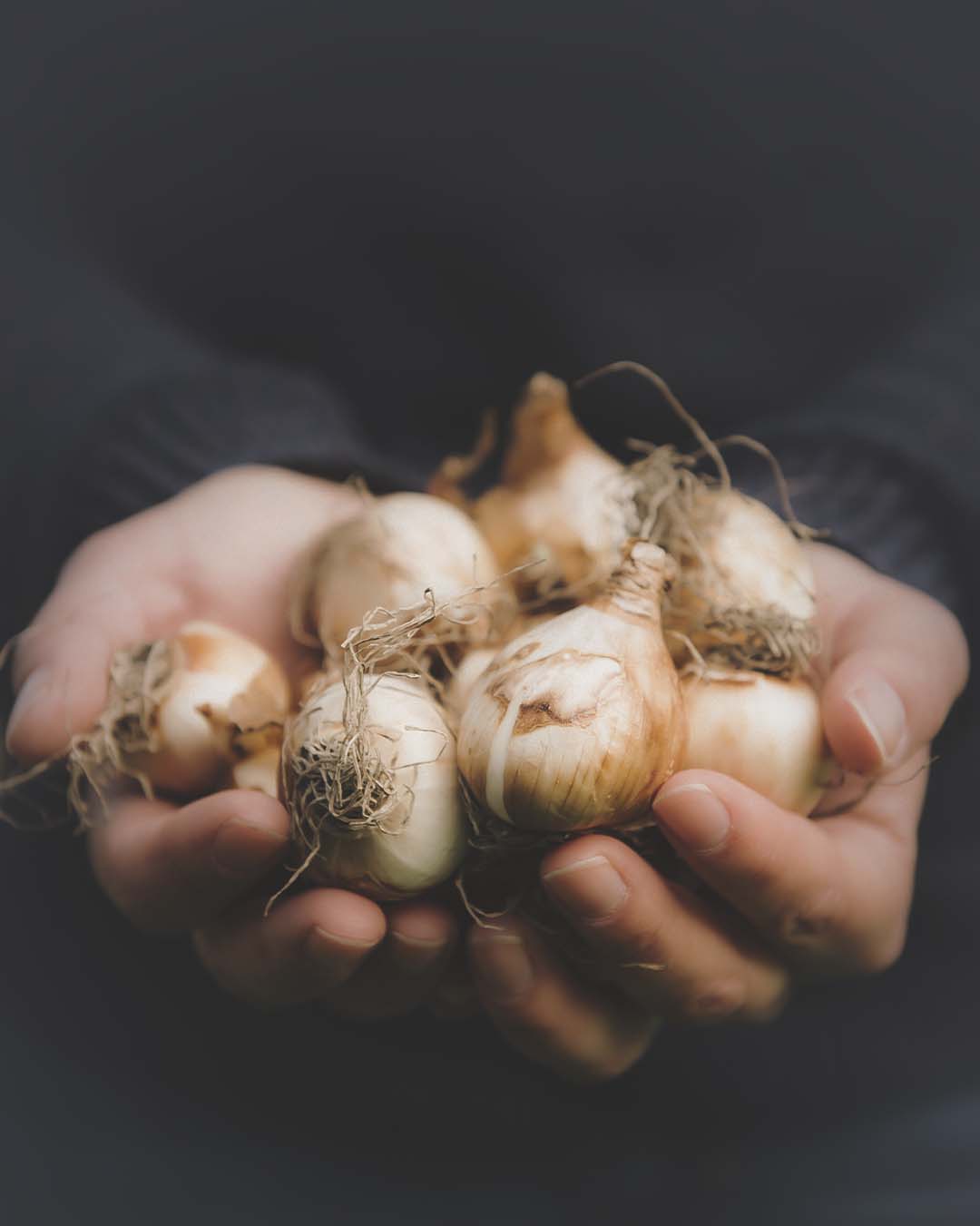
Curing and Storing Garlic
After harvest, garlic is often cured for several weeks in a dry place with good airflow.
Once cured, the bulbs can be cleaned lightly and stored in a cool, dry location.
Properly cured garlic stores well and can remain useful long after harvest.
This is one of the reasons garlic is such a practical crop for home gardeners.