How to Grow Broccoli in Southern Gardens: A Complete Growing Guide
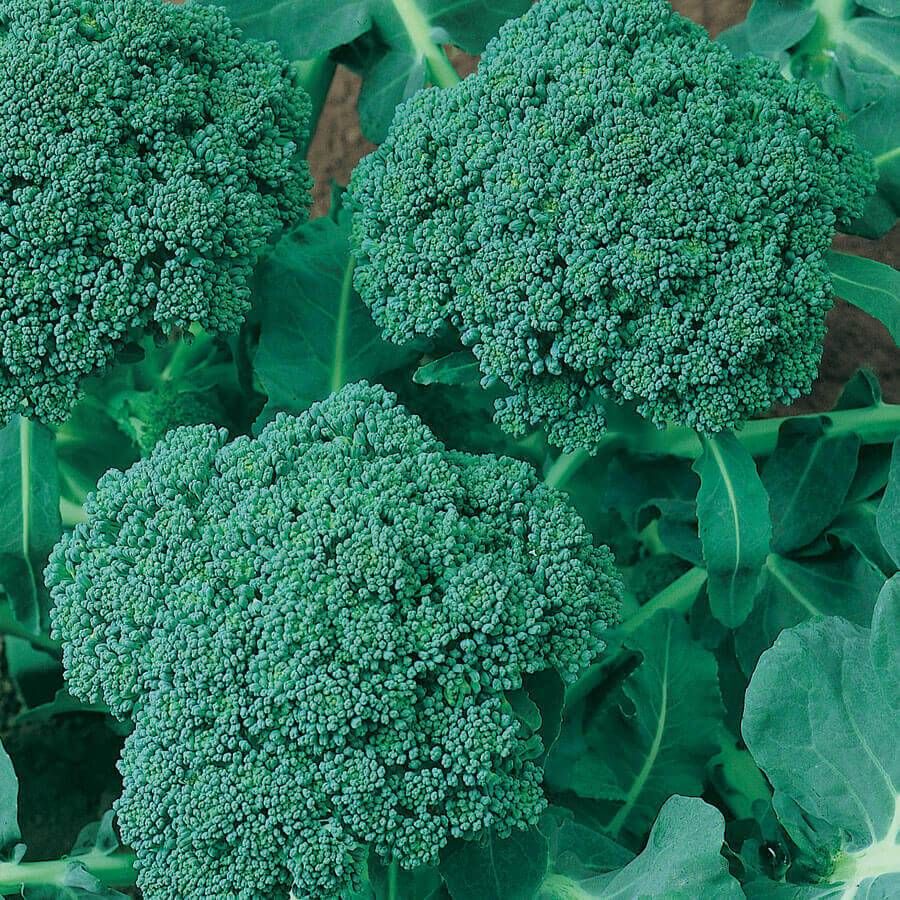
Broccoli is one of the most rewarding cool-season vegetables you can grow in a home garden. Its nutritious heads, edible side shoots, and strong garden performance make it a favorite for gardeners who want productive harvests during fall, winter, and early spring.
In Southern gardens, broccoli grows best when planted during cooler parts of the year. While it does not perform well in prolonged summer heat, it can thrive in warm-climate gardens when timing is handled correctly.
With fertile soil, steady moisture, and proper planting windows, broccoli can be a valuable addition to a Southern vegetable garden.
Why Broccoli Grows Well in Southern Gardens
Broccoli is well suited to Southern gardens when grown as a cool-season crop.
Some of the reasons gardeners enjoy growing broccoli include:
- Productive cool-season performance
- Nutritious edible heads and side shoots
- Excellent for fall, winter, and early spring gardens
- Suitable for garden beds and raised beds
- Strong addition to a varied vegetable garden
Because Southern gardens often have mild winters and long cool-season growing windows, broccoli can be a very productive crop when planted at the right time.
If you’re deciding what else to grow in cool seasons, explore our guide on the Best Vegetables for Southern Gardens.
When to Plant Broccoli in the South
Timing is one of the most important factors when growing broccoli successfully in Southern climates.
Because broccoli prefers cool temperatures, it is usually planted during:
- Late winter or early spring
- Late summer for fall harvests
- Fall and winter in mild Southern climates
In many Southern gardens, fall is often the best time to grow broccoli because plants can mature as temperatures cool.
For the best planting times in your area, refer to our Southern Vegetable Planting Calendar.
Choosing the Right Planting Location
Broccoli grows best in a location that provides:
- Full sun
- Fertile, well-drained soil
- Good airflow
- Enough space for mature plants
Because broccoli plants can become fairly large, giving them enough room helps improve airflow and overall health.
Raised beds can work especially well because they make it easier to manage soil quality and drainage.
Preparing Soil for Broccoli
Broccoli grows best in rich, loose soil with good drainage.
Before planting, prepare the area by:
- Removing weeds and debris
- Loosening compacted soil
- Mixing in compost or organic matter
- Raking the bed smooth
Because broccoli is a relatively heavy feeder compared to some other vegetables, good soil preparation is especially important.
If you are new to growing in warm climates, our Complete Guide to Southern Gardening is a helpful place to start.
How to Plant Broccoli
Broccoli can be started from seed or transplanted into the garden.
Many home gardeners prefer transplants for broccoli because they provide a head start and make spacing easier.
Planting Depth
If direct sowing, plant seeds about:
- ¼ to ½ inch deep
If transplanting, set seedlings at the same depth they were growing in their container.
Spacing
Broccoli generally needs room to grow into a full-sized plant.
As a general guide:
- Space plants about 18 inches apart
- Leave enough room between rows for airflow and harvesting
Always check the seed packet or plant tag for exact spacing recommendations.
Watering Broccoli
Broccoli needs regular moisture for steady growth and good head development.
Helpful watering practices include:
- Keep soil evenly moist
- Water deeply rather than lightly
- Avoid letting the soil dry out completely
- Use mulch to conserve moisture and regulate temperature
Inconsistent watering can slow growth and affect head quality.
Fertilizing Broccoli
Broccoli benefits from fertile soil and steady nutrition throughout the growing season.
A good approach includes:
- Starting with compost-rich soil
- Using a balanced vegetable fertilizer if needed
- Feeding moderately during active growth
Because broccoli is grown for substantial leafy growth and head production, healthy soil is especially important.
Common Problems When Growing Broccoli
Broccoli is a rewarding crop, but gardeners may still encounter a few common challenges.
Small Heads
Small broccoli heads may be caused by:
- Poor soil fertility
- Crowding
- Inconsistent watering
- Heat stress
- Bolting
If temperatures rise too quickly, broccoli may begin flowering before forming a good head.
This is why proper planting timing is so important in Southern gardens.
Aphids
Broccoli may occasionally attract aphids on tender growth.
If pests appear, read our guide on Aphids on Vegetable Plants: How to Identify and Control Them.
Caterpillars
As a brassica crop, broccoli can also attract chewing insects. Regular inspection helps gardeners catch problems early.
Harvesting Broccoli
Broccoli should be harvested when the main head is firm and tightly formed, before the buds begin to open into flowers.
Use a clean knife or pruners to cut the main head with a short length of stem attached.
In many cases, plants will continue producing smaller side shoots after the main head is harvested.
These side shoots extend the harvest and make broccoli even more rewarding to grow.
Why Broccoli Is a Great Cool-Season Crop
Broccoli is especially valuable in Southern gardens because it helps gardeners make full use of the cool-season planting window.
It adds variety to the garden, produces nutritious harvests, and works well alongside other cool-season vegetables like kale, collards, carrots, spinach, and mustard greens.
For gardeners who want to grow beyond the summer season, broccoli is an excellent crop to include.
Growing Broccoli Successfully in Southern Gardens
Broccoli is a productive and nutritious crop for Southern gardeners when planted during cool weather. With rich soil, steady moisture, and the right timing, it can produce healthy heads and continued side shoots throughout the cool season.
Because it performs best outside the heat of summer, broccoli is an excellent addition to fall, winter, and early spring gardens.
With proper care and planting windows, broccoli can become a dependable part of your Southern vegetable garden.