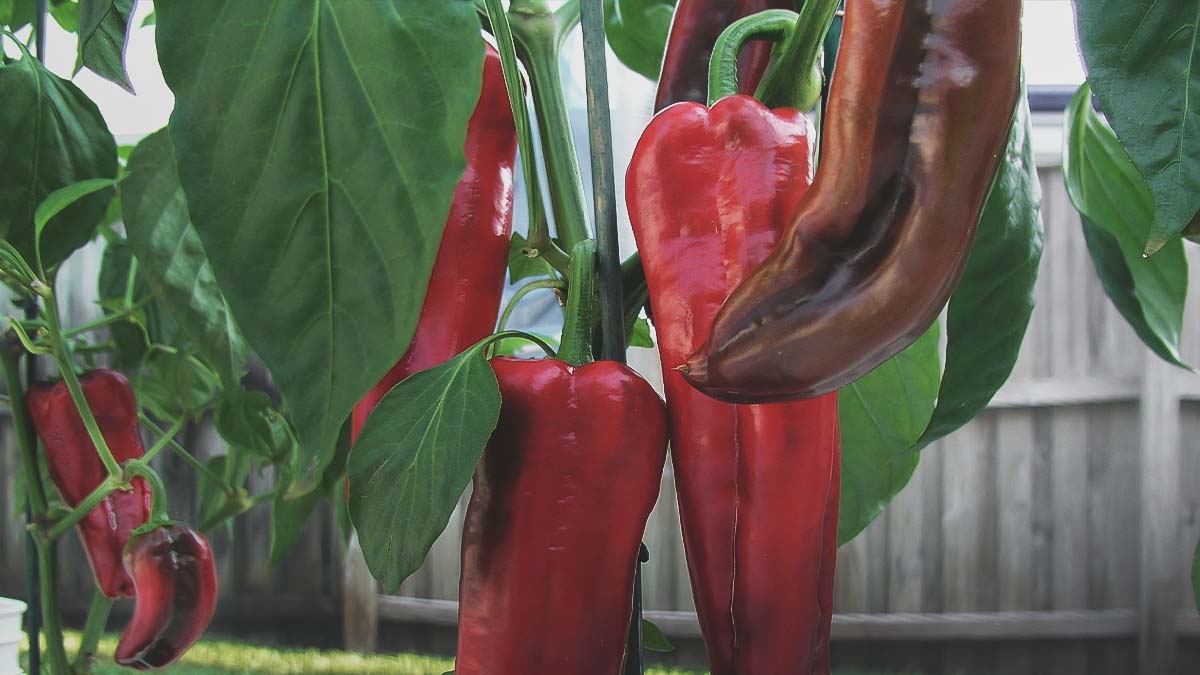
How to Grow Peppers in Southern Gardens. Pepper Growing Guide
Peppers are one of the most rewarding vegetables for home gardeners, especially in warm southern climates. These plants love sunshine and warm temperatures, making them an excellent choice for many southern gardens.
Whether you enjoy sweet bell peppers or spicy varieties, peppers can produce abundant harvests with the right planting schedule and care.
By understanding how peppers grow and what conditions they prefer, you can grow strong plants that produce fresh peppers throughout the growing season.
Why Peppers Thrive in Southern Gardens
Peppers are naturally suited for warm weather and grow best when temperatures remain consistently warm.
Southern gardens provide many of the conditions peppers need to thrive:
- Warm soil temperatures
- Long growing seasons
- Plenty of sunlight
Because peppers prefer warm conditions, they often perform better in southern gardens than many cool-season vegetables.
With proper care, pepper plants can produce fruit for many weeks during the growing season.
When to Plant Peppers in the South
Timing is important when growing peppers successfully in warm climates.
Peppers should be planted once the risk of frost has passed and soil temperatures have warmed.
Spring Planting
Most southern gardeners plant peppers in early to mid-spring, typically between March and April depending on location.
Starting plants early allows them to establish strong roots before summer heat arrives.
Fall Planting
In some southern regions, gardeners may also plant peppers again in late summer for a fall harvest.
This second planting works best in areas where warm temperatures last well into autumn.
Choosing Pepper Varieties
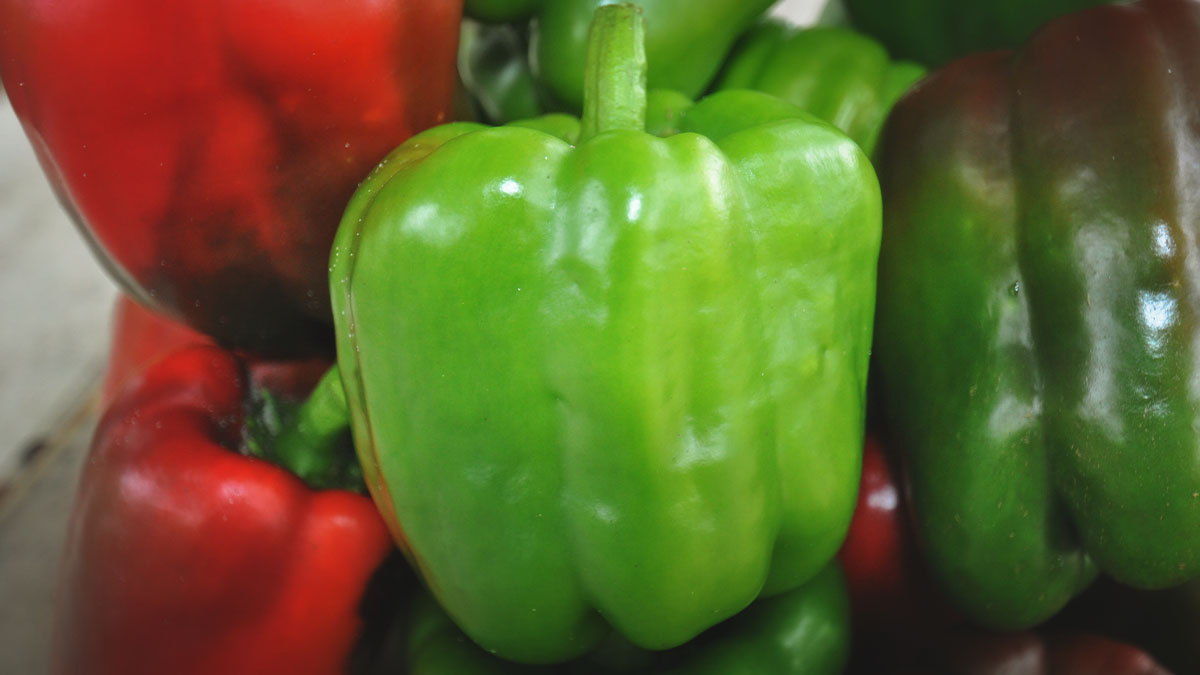
There are many types of peppers that grow well in southern gardens.
Common varieties include:
Sweet Peppers
- Bell peppers
- Banana peppers
- Sweet Italian peppers
Hot Peppers
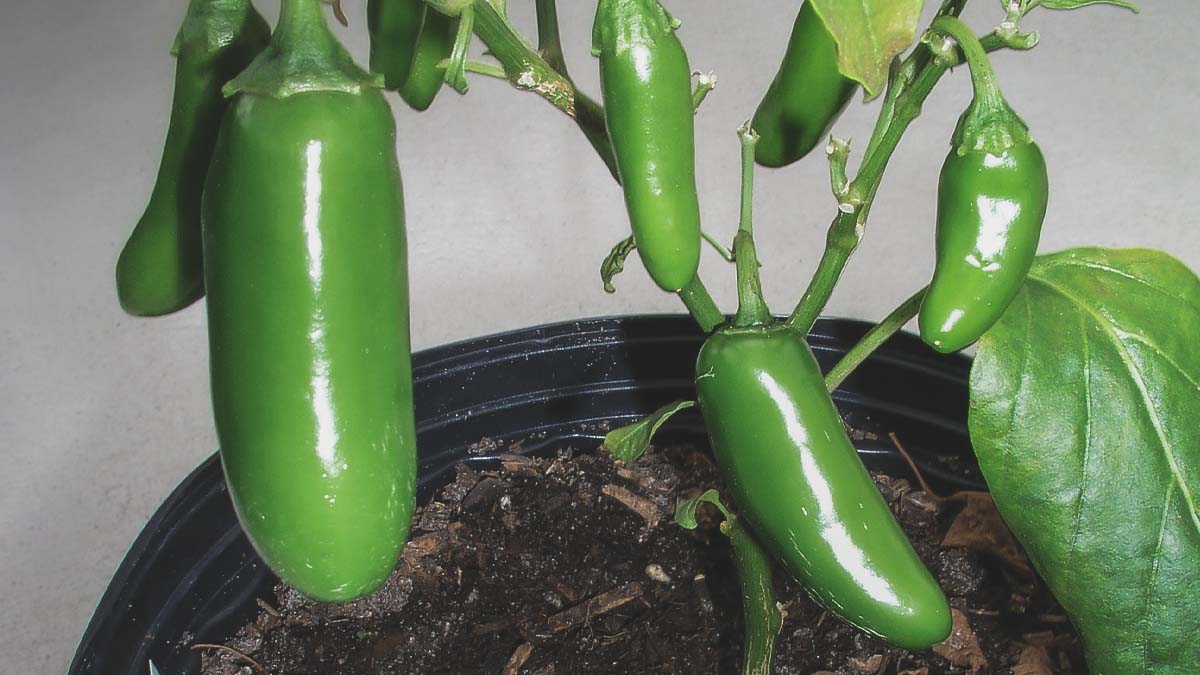
- Jalapeños
- Cayenne peppers
- Serrano peppers
Many gardeners grow a combination of sweet and hot peppers to enjoy a variety of flavors.
Preparing Soil for Peppers
Peppers grow best in well-drained soil rich in organic matter.
Before planting, it helps to:
- Add compost to garden beds
- Loosen soil to improve drainage
- Choose a sunny location with at least 6–8 hours of sunlight
Healthy soil encourages strong root systems and productive plants.
Planting Pepper Seedlings
Peppers are usually grown from seedlings rather than direct-seeded in the garden.
When planting pepper seedlings:
- Space plants 18–24 inches apart
- Plant at the same depth as the seedling container
- Water thoroughly after planting
Providing enough space allows plants to grow properly and improves air circulation.
Watering Pepper Plants
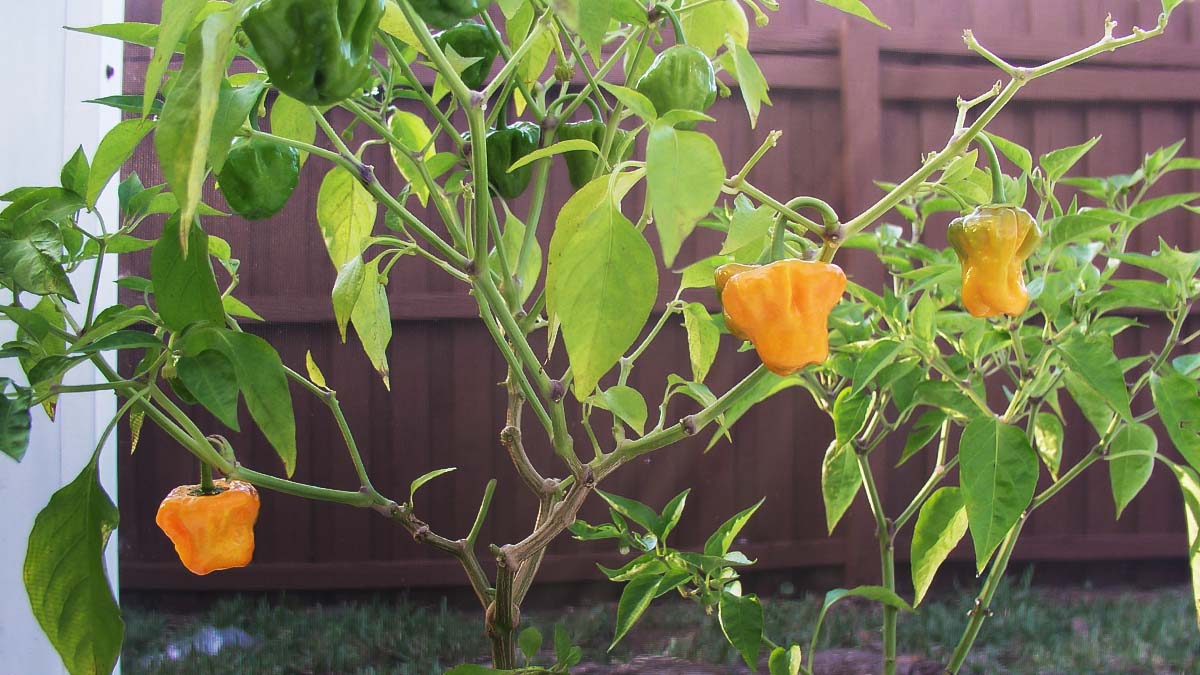
Peppers require consistent watering, especially during warm weather.
Helpful watering practices include:
- Water deeply to encourage strong roots
- Keep soil evenly moist but not soggy
- Apply mulch to help retain soil moisture
Mulching also helps regulate soil temperature during hot southern summers.
Fertilizing Pepper Plants
Peppers benefit from nutrient-rich soil and occasional feeding throughout the growing season.
Gardeners commonly use:
- Compost
- Balanced vegetable fertilizer
- Organic plant food
Avoid over-fertilizing with nitrogen, which can cause plants to grow large leaves but produce fewer peppers.
Supporting Pepper Plants
Some pepper plants become heavy with fruit and may benefit from support.
Simple supports include:
- Small tomato cages
- Garden stakes
Providing support helps prevent branches from breaking under the weight of developing peppers.
Common Pepper Problems in Southern Gardens
Although peppers grow well in warm climates, gardeners may occasionally encounter pests or plant stress.
Aphids
Aphids sometimes gather on the undersides of pepper leaves.
Regular inspection and simple treatments can control them.
Blossom Drop
Extreme heat may cause pepper flowers to drop before fruit forms.
Maintaining healthy soil and consistent watering can help reduce stress on plants.
Sunscald
When peppers are exposed to intense direct sunlight without enough leaf coverage, fruits may develop pale or damaged areas.
Healthy plants with good leaf growth help protect developing peppers.
Harvesting Peppers
Peppers can be harvested at several stages depending on the variety and desired flavor.
Many peppers begin green and gradually change color as they ripen.
Harvest peppers by cutting them from the plant with scissors or pruners to avoid damaging branches.
Frequent harvesting encourages plants to continue producing new peppers.
Growing Peppers Successfully in the South
Peppers are one of the easiest and most productive vegetables for southern gardeners.
By planting at the right time, providing healthy soil, and watering consistently, gardeners can enjoy continuous harvests throughout the growing season.
Whether grown in garden beds, raised beds, or containers, peppers are an excellent addition to any southern vegetable garden.