How to Grow Kale in Southern Gardens: A Complete Growing Guide
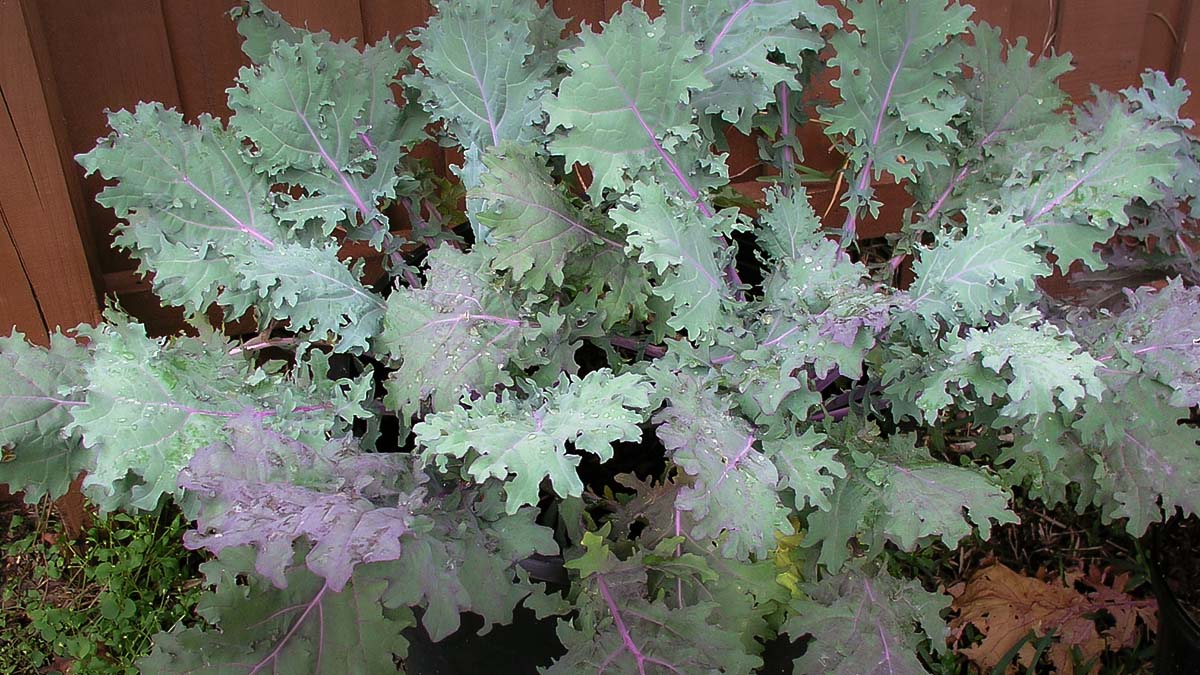
Kale is one of the most nutritious and versatile leafy greens you can grow in your garden. While kale is often associated with cooler climates, it can grow very successfully in southern gardens when planted during the right seasons.
In warm regions, kale grows best during spring and fall, when temperatures are cooler and conditions are ideal for leafy vegetables.
With proper timing and care, kale can produce tender leaves for many months, making it a favorite crop for home gardeners.
Why Kale Is a Great Crop for Southern Gardens
Kale is a hardy leafy green that offers many benefits for gardeners in warm climates.
Some advantages of growing kale include:
- Fast-growing plants
- Multiple harvests from one plant
- High nutritional value
- Tolerance of cool temperatures
- Ability to grow as baby greens or mature plants
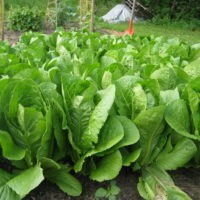
Kale can be harvested repeatedly by picking the outer leaves while allowing the center of the plant to continue growing.
This makes kale one of the most productive vegetables for home gardens.
When to Plant Kale in Southern Gardens
Because kale prefers cooler temperatures, timing is important when growing it in southern climates.
Kale is typically planted during two main seasons:
Spring Planting
Grow Feb – June
Plant kale in late winter or early spring once soil can be worked.
In many southern regions, this may be as early as February or March.
Spring-planted kale grows quickly before summer heat arrives.
Fall Planting
Grow Sept – Feb
Fall is often the best season for growing kale in the South.
Plant seeds in late summer so plants mature as temperatures begin to cool.
Many gardeners plant kale in September or October for fall and winter harvests.
Cool weather improves the flavor of kale and reduces bitterness.
How to Plant Kale
Kale is easy to grow from seed and can be planted directly in the garden or started indoors and transplanted later.
Follow these basic planting steps.
Choose a Sunny Location
Kale grows best in full sun but can tolerate partial shade.
During warmer months, a little afternoon shade can help prevent stress.
Prepare the Soil
Kale prefers:
- Loose soil
- Good drainage
- Soil rich in organic matter
Adding compost to garden beds before planting can improve soil quality and plant growth.
Planting Seeds
Sow kale seeds about:
- ½ inch deep
- 12 inches apart for full-size plants
Seeds typically germinate within 5 to 10 days depending on soil temperature.
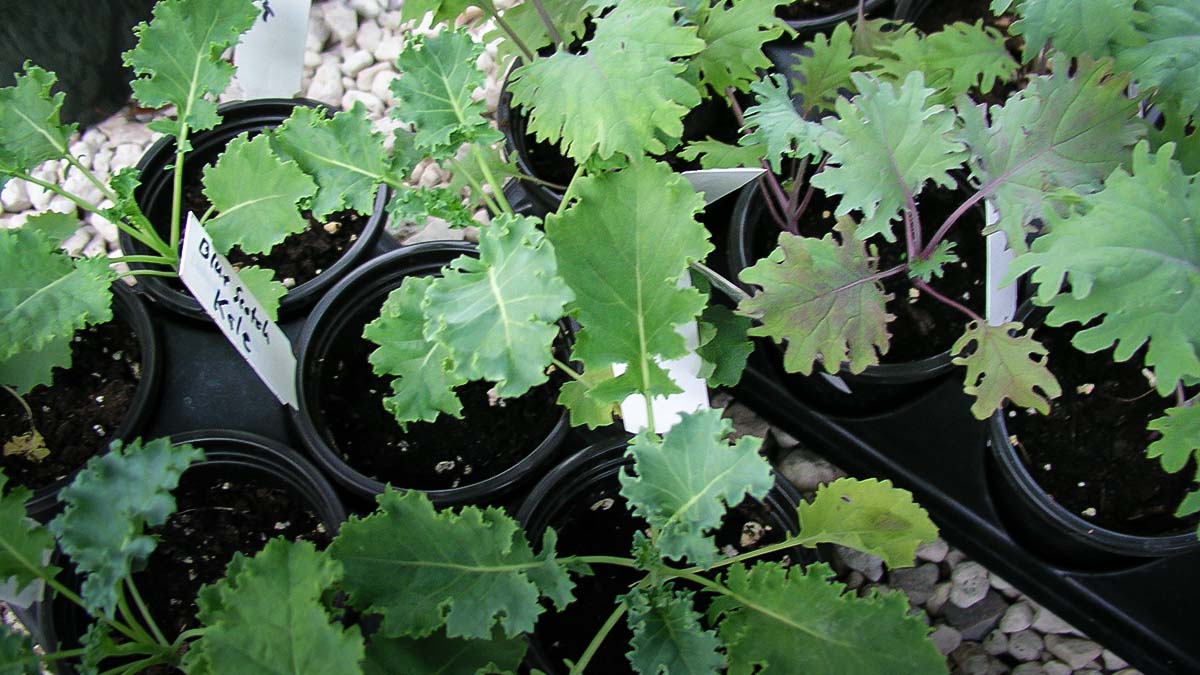
Growing Kale as Baby Greens
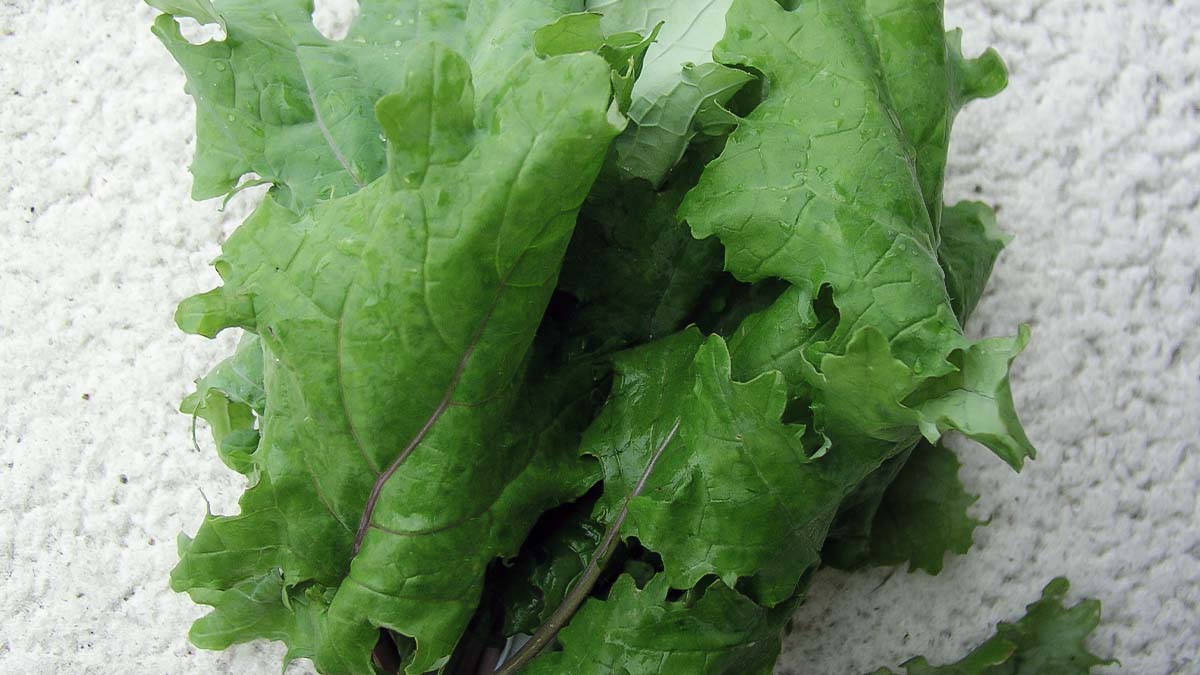
Many gardeners enjoy harvesting kale as baby greens.
Baby kale leaves are tender, mild in flavor, and perfect for salads, soups, and many cooked dishes.
To grow kale as baby greens:
- Plant seeds closer together, about 2–4 inches apart
- Harvest leaves when they reach 3–6 inches tall
You can harvest baby greens multiple times by cutting outer leaves while allowing the center of the plant to continue growing.
Watering and Fertilizing Kale
Kale grows best with consistent moisture and healthy soil.
Helpful care tips include:
- Water regularly to keep soil evenly moist
- Apply mulch to help retain moisture
- Feed plants occasionally with organic fertilizer or compost
Leafy greens benefit from nitrogen-rich soil, which supports strong leaf growth.
Harvesting Kale
Kale can be harvested at different stages depending on how you plan to use it.
Baby Kale
Baby leaves can be harvested when plants reach about 4–6 inches tall.
These tender leaves are excellent for salads and fresh dishes.
Mature Kale
Full-size leaves can be harvested once plants become well established.
Always harvest the outer leaves first, leaving the center of the plant intact so it can continue growing.
Regular harvesting encourages plants to produce new leaves.
Common Problems When Growing Kale
Kale is generally easy to grow, but gardeners may encounter a few common challenges.
Aphids
Aphids sometimes gather on the underside of leaves.
A strong spray of water or insecticidal soap can help control them.
Cabbage Worms
These small green caterpillars feed on leafy vegetables like kale.
Hand-picking or using organic pest control methods can reduce damage.
Heat Stress
When temperatures become too hot, kale may begin to bolt or develop bitter leaves.
Planting during cooler seasons helps prevent this issue.
Why Many Gardeners Love Growing Kale
Kale is one of the most rewarding vegetables for home gardens.
It grows quickly, produces multiple harvests, and is packed with nutrients.
Whether grown as tender baby greens or mature leafy plants, kale is an excellent addition to any southern vegetable garden.
With proper planting timing and basic care, kale can provide fresh greens for many weeks throughout the growing season.