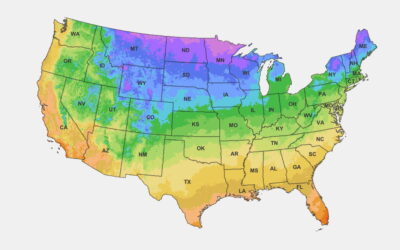
Most seeds are started indoors about 6 to 8 weeks before the last frost date of spring. But planting schedules will vary depending on your growing zone, your area’s frost date, and the types of seeds you want to grow.
Before you start planting, familiarize yourself with your last frost date and read your seed packets carefully. Seed packets often contain helpful details such as planting instructions and “Days to Harvest” information that you can use to calculate when to start seeds in relation to your last frost date.
If your seed packets do not contain planting instructions, here is a general schedule for when to start some of the most common flower, herb, and vegetable seeds. Also see my planting guide for more information.
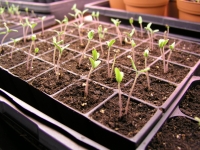
Starting Indoors
8 to 10 Weeks Before Last Frost
Celery, leeks, eggplant, peppers, tomatoes, and many flowers can be started indoors 8 to 10 weeks before your last spring frost date. Starting these plants early helps make sure they are ready to transplant when spring arrives.
6 to 8 Weeks Before Last Frost
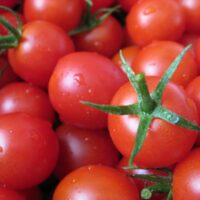
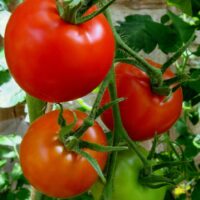
Most indoor sowing takes place about 6 to 8 weeks before your last frost date. This is often when tomato seeds are started indoors, but it is also a good time to start tomatillos, ground cherries, basil, marigolds, and spring brassicas.
If you have been cold stratifying flower seeds in the refrigerator, this is also the time to move those seeds into soil.
4 to 6 Weeks Before Last Frost
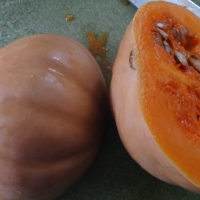
This is the time to sow fast-growing crops such as cucumbers, zucchini, winter squash, summer squash, and other fast-growing annuals.
Helpful Tips
Hard seeds may require soaking overnight for best results. Examples include roselle, cranberry hibiscus, okra, chard, and beans. In general, the drier the seeds, the more they may benefit from soaking.
Some seeds that require warmer temperatures for germination can benefit from bottom heat, such as a heating mat. Peppers and other warm-weather crops are good examples. Bottom heat can increase germination rates.
Summer Seed Starting
Many gardeners never think to start seeds indoors in summer since warm weather seems ideal for growing seeds outside. However, cold-weather crops do not always germinate well when planted outdoors in hot weather.
If you want to grow a fall garden with brassicas and other cold-tolerant vegetables, it is often better to start them indoors before the end of summer. Use days to harvest as a guideline and plan backward from your first frost date.
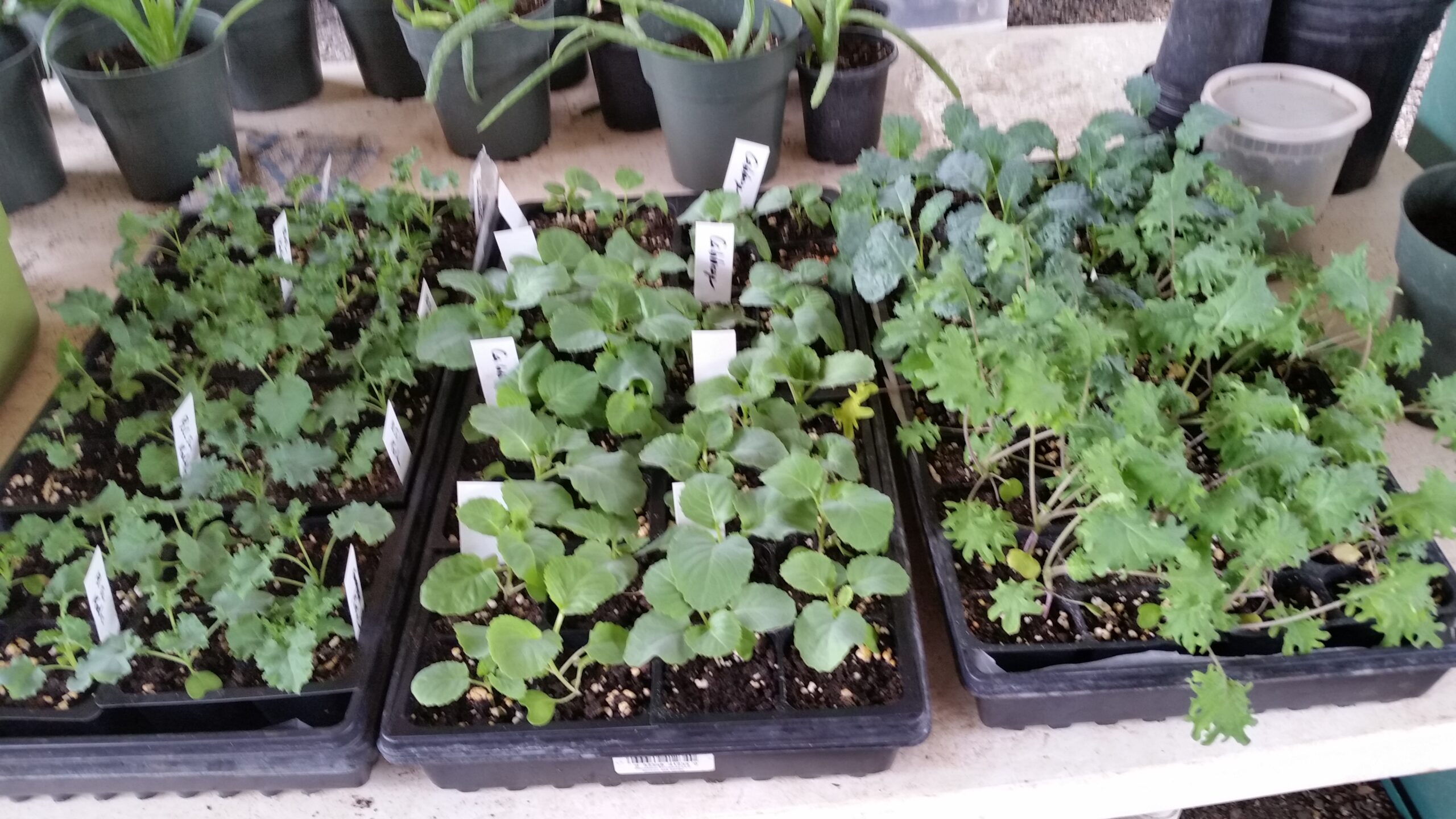
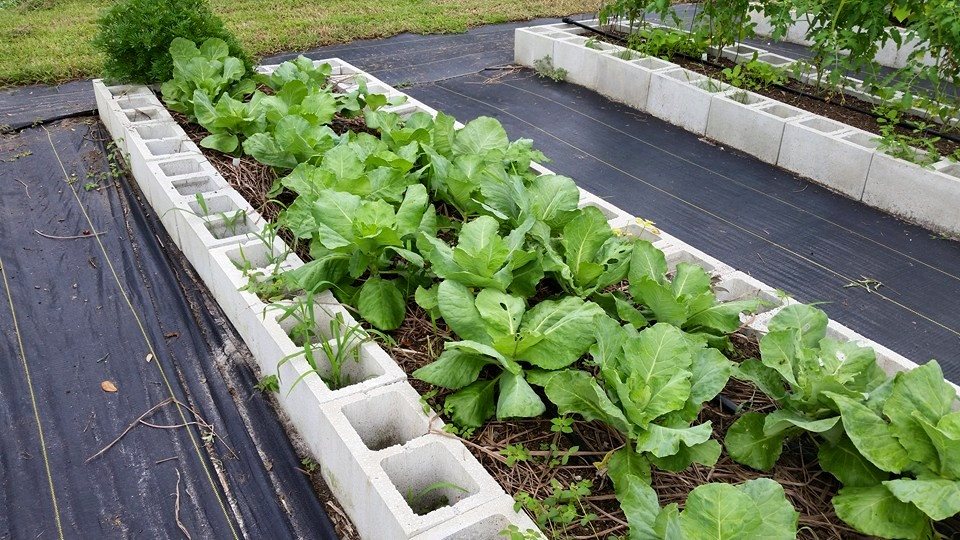
Most of the crops described above I start in small trays and transplant when the weather and the plants are right.
Direct Seeding
Root crops such as carrots, radishes, and turnips are almost always best direct seeded. That means planting them outside when the weather is right for them to grow.
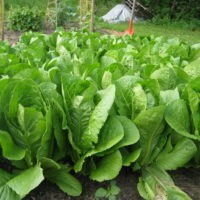
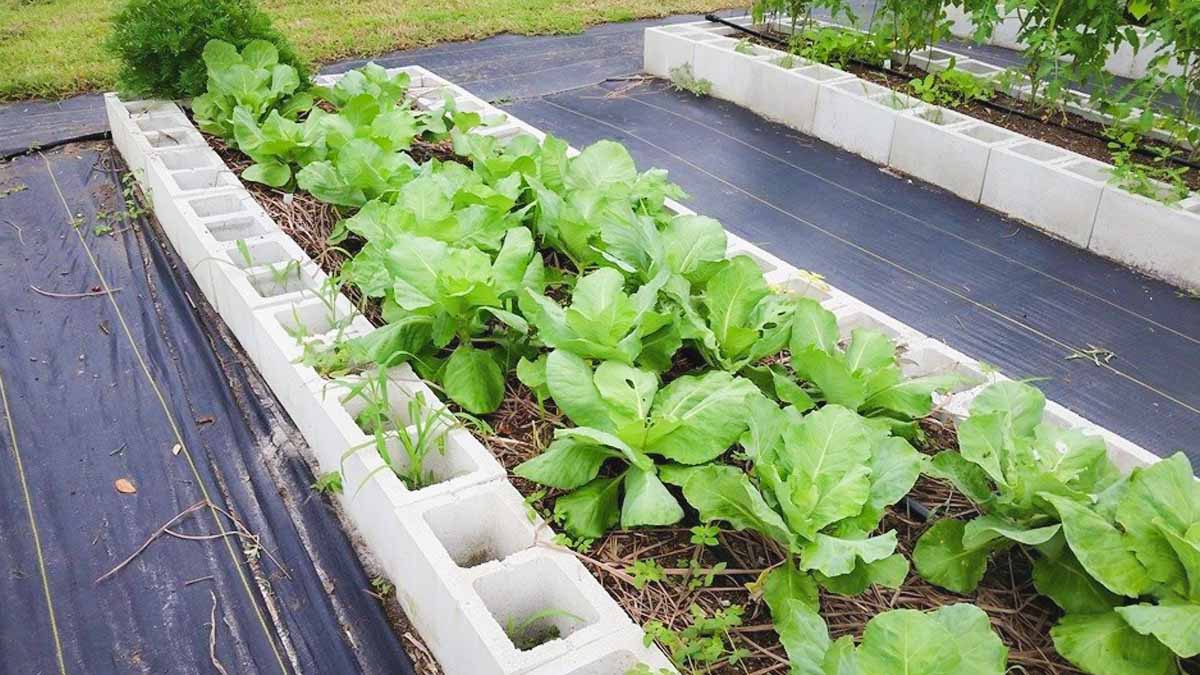
Lettuce, cucumbers, onions, beans, and plants with large taproots also do well direct seeded, although some can be started and transplanted carefully.
Final Thoughts
Knowing whether to transplant or direct seed depends on the crop, the season, and the weather. Some plants do better with an early indoor start, while others do best when sown directly where they are meant to grow.
Pay attention to your frost dates, read your seed packets, and let the plant guide the method.