Florida Yearly Vegetable Planting Guides
Growing vegetables in Florida and in the south, is a little different than gardening in many other parts of the country. Because Florida has long growing seasons, mild winters, hot summers, and several planting windows throughout the year, timing makes all the difference.
These yearly planting guides are designed to help Florida and southern gardeners know when to start seeds, when to direct sow, when to plant outdoors, how deep to plant, how much space each crop needs, and about how long it takes to harvest.
Use the warm season and cool season vegetable charts below as a quick reference for planning your garden throughout the year. Be sure to check the planting windows for your region of Florida: North, Central, or South.
How to Use These Planting Charts
Before planting, first determine which Florida region you are gardening in:
North Florida: Areas north of State Road 40
Central Florida: Areas between State Road 40 and State Road 70
South Florida: Areas south of State Road 70
Once you know your region, find your crop in the chart and follow the recommended planting window for your area. The charts also include helpful information such as whether the crop can be direct seeded, how many weeks before planting to start seeds indoors, recommended seed depth, plant spacing, and approximate days to harvest.
Keep in mind that weather, soil temperature, rainfall, and local microclimates can affect planting success. These guides are a helpful starting point, but your garden may need slight adjustments based on your specific location and growing conditions.
North Florida
North of State Road 40
Central Florida
Between State Road 40 and State Road 70
South Florida
South of State Road 70
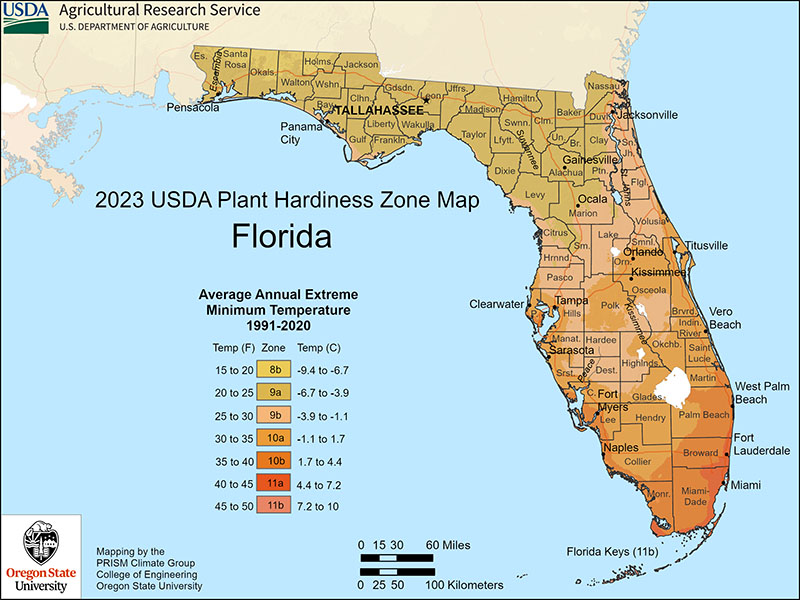
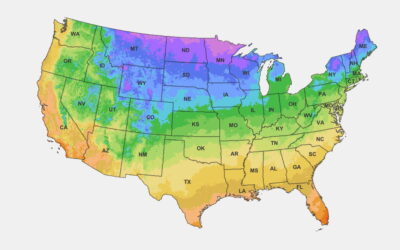
Florida’s growing regions vary by climate and seasonal timing. Use the map and region descriptions to help determine which planting dates best apply to your garden.
Warm Season Vegetable Planting Guide
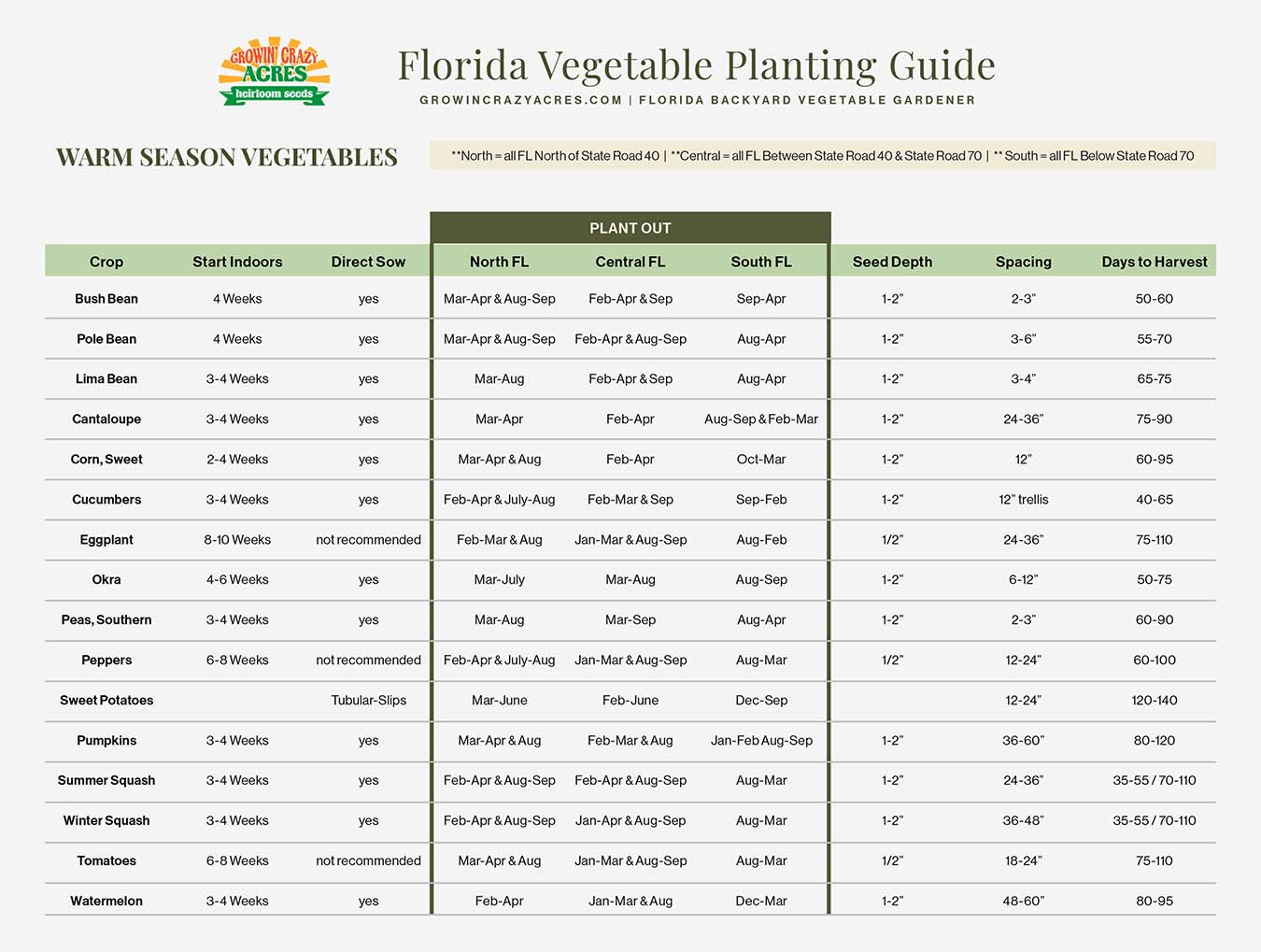
Warm season vegetables grow best during Florida’s warmer months and generally prefer warm soil and plenty of sunshine. Crops like beans, cucumbers, okra, peppers, squash, tomatoes, watermelon, and southern peas are commonly planted during warm-season windows.
Use the chart below to find recommended planting times for North, Central, and South Florida.
Cool Season Vegetable Planting Guide
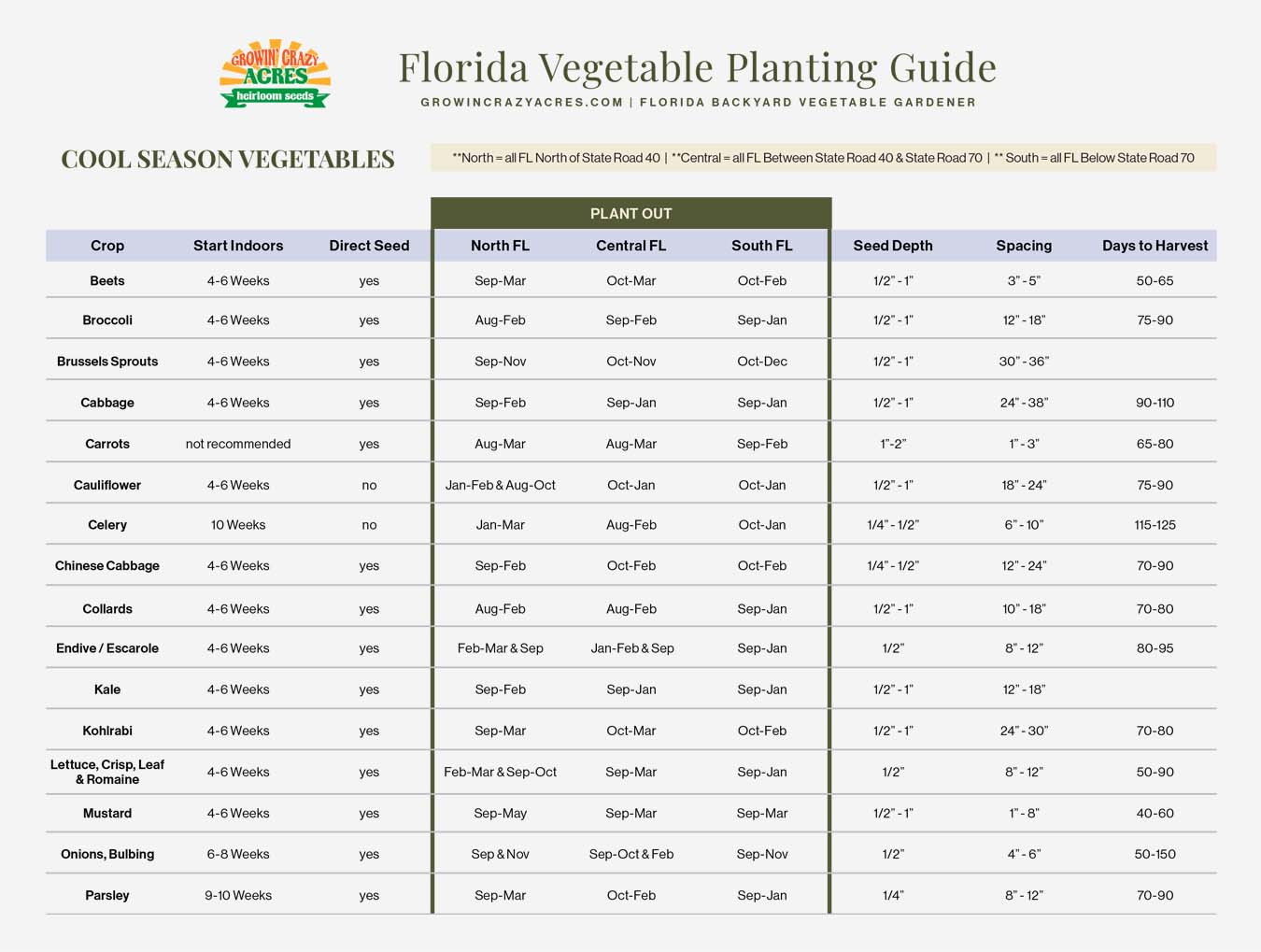
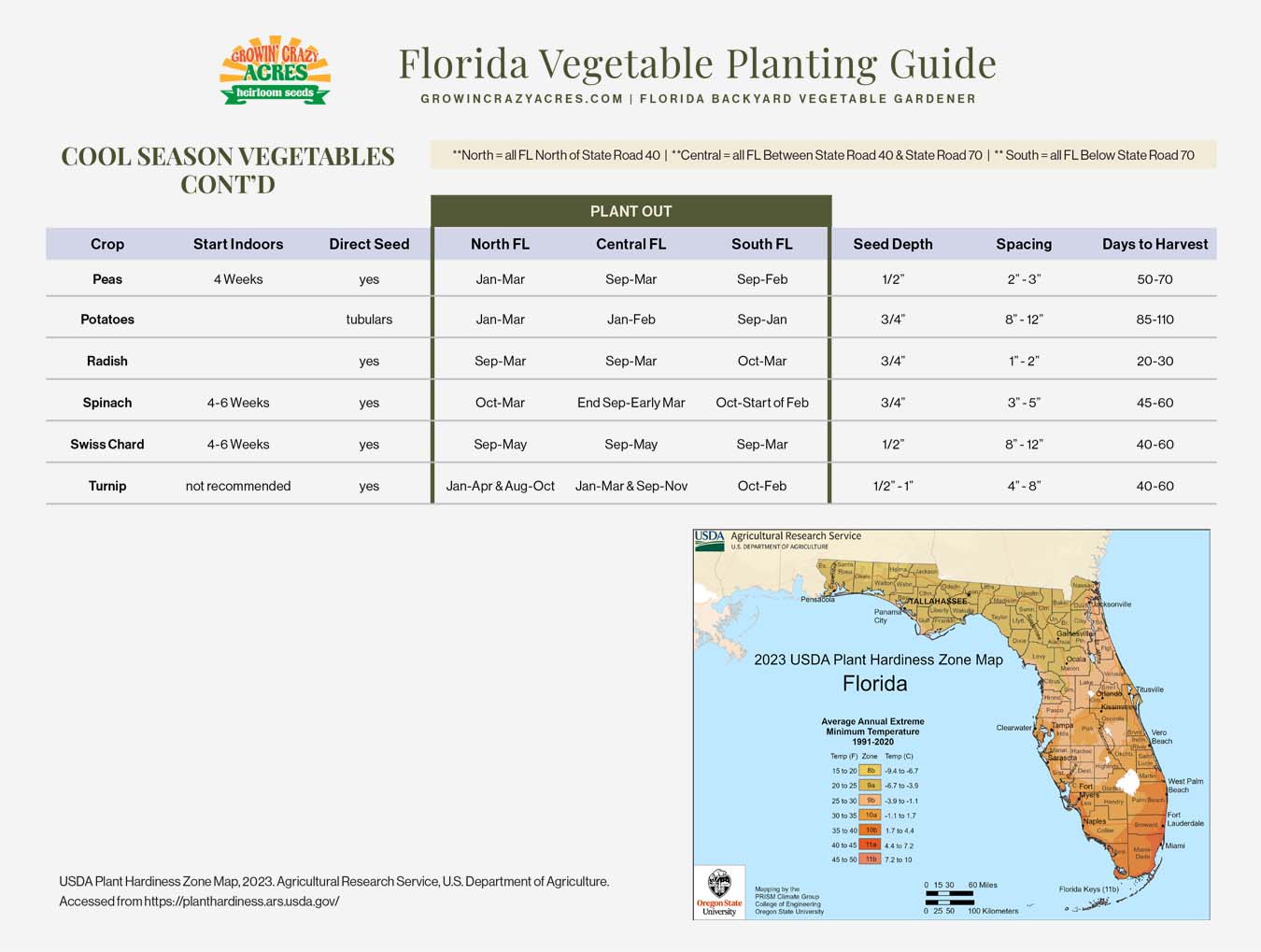
Cool season vegetables are usually planted during Florida’s fall, winter, and early spring growing windows. These crops often perform better when temperatures are milder and the intense summer heat has passed.
Use the charts below to plan crops such as beets, broccoli, cabbage, carrots, collards, kale, lettuce, onions, peas, potatoes, radishes, spinach, Swiss chard, and turnips.
A Quick Gardening Note
Planting dates are a helpful guide, but every garden is a little different. Soil temperature, rainfall, sunlight, pests, freezes, heat waves, and your specific location can all affect the best time to plant. Use these charts as a reliable starting point, then adjust based on your own garden’s conditions and experience.