Crop rotation is one of the easiest ways to keep your garden healthier over time.
The basic idea is simple.
Do not plant the same type of crop in the same spot season after season. Rotating crops helps reduce pest and disease problems, balances the use of nutrients in the soil, and can improve overall garden health.
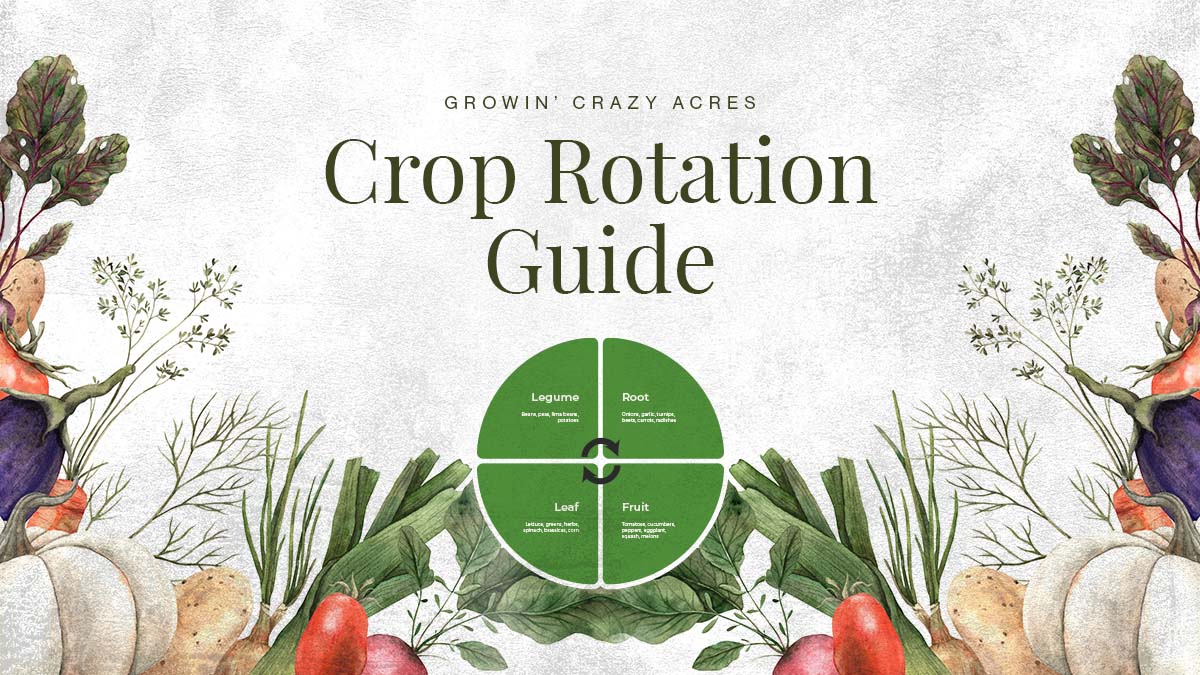
A simple way to rotate crops is to group them into four main categories:
- legumes
- roots
- leaves
- fruits
Then move each group into a different space the next season.
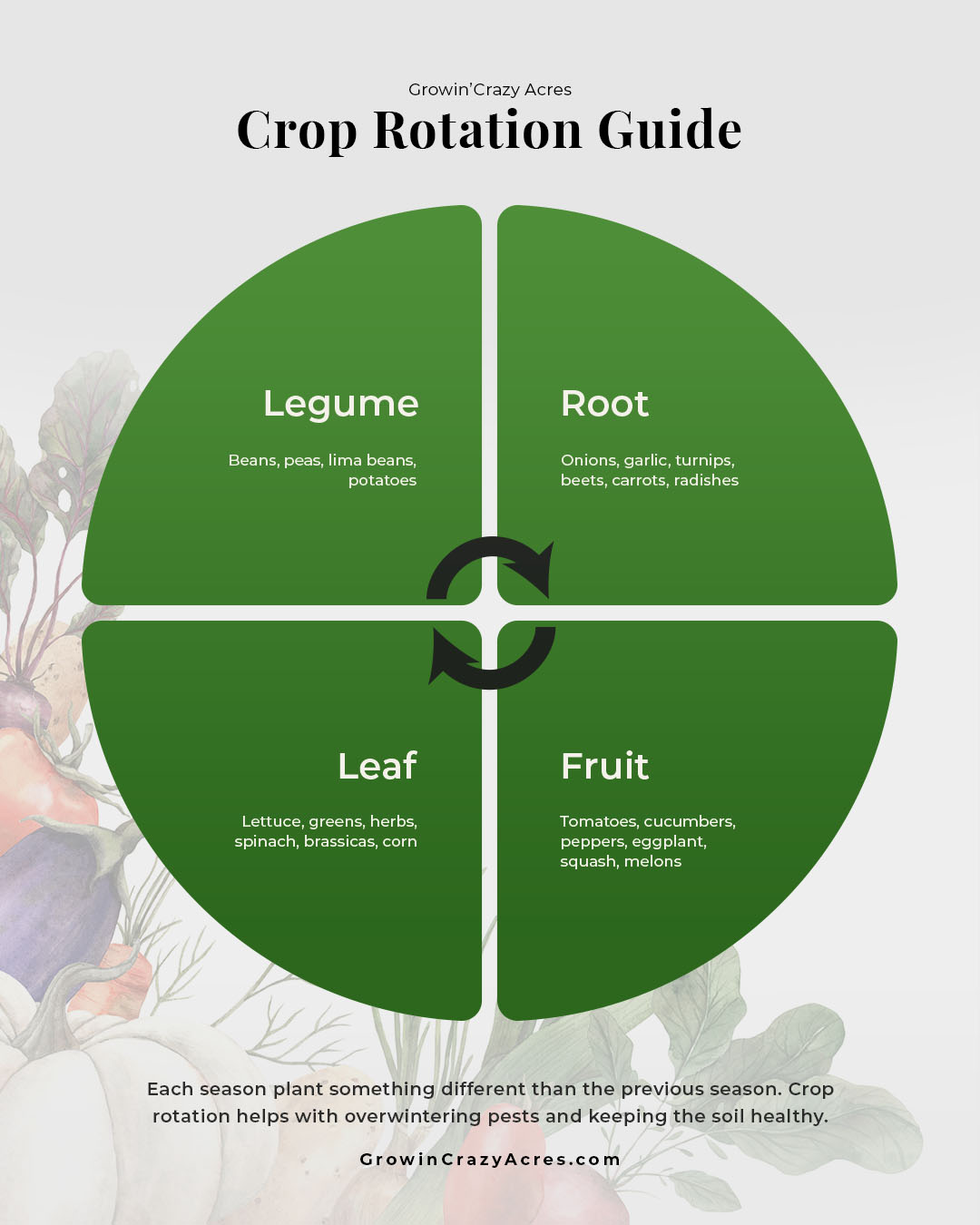
The Four Basic Crop Groups
Legumes
Legumes include:
beans
peas
lima beans
potatoes
Roots
Root crops include:
onions
garlic
turnips
beets
carrots
radishes
Leaf
Leaf crops include:
lettuce
greens
herbs
spinach
brassicas
corn
Fruits
Fruiting crops include:
tomatoes
cucumbers
peppers
eggplant
squash
melons
How Crop Rotation Works
A simple rotation is to move each group to a different bed or section each season.
For example:
- where you planted legumes this season, plant roots next season
- where you planted roots, plant leaves
- where you planted leaves, plant fruits
- where you planted fruits, plant legumes
This kind of rotation helps keep the same crops from draining the same nutrients from the same area over and over.
Why Crop Rotation Matters
Rotating crops can help:
- reduce soil-borne diseases
- reduce pest buildup
- improve soil balance
- make better use of nutrients
- support healthier plants overall
Even a simple rotation plan is better than planting the same things in the same place every season.
Final Thoughts
Crop rotation does not have to be complicated. Even if you garden in raised beds or a small space, rotating crop types as much as possible can help keep your garden healthier.
This guide is a simple way to get started.