Hardening Off Transplants for the Garden
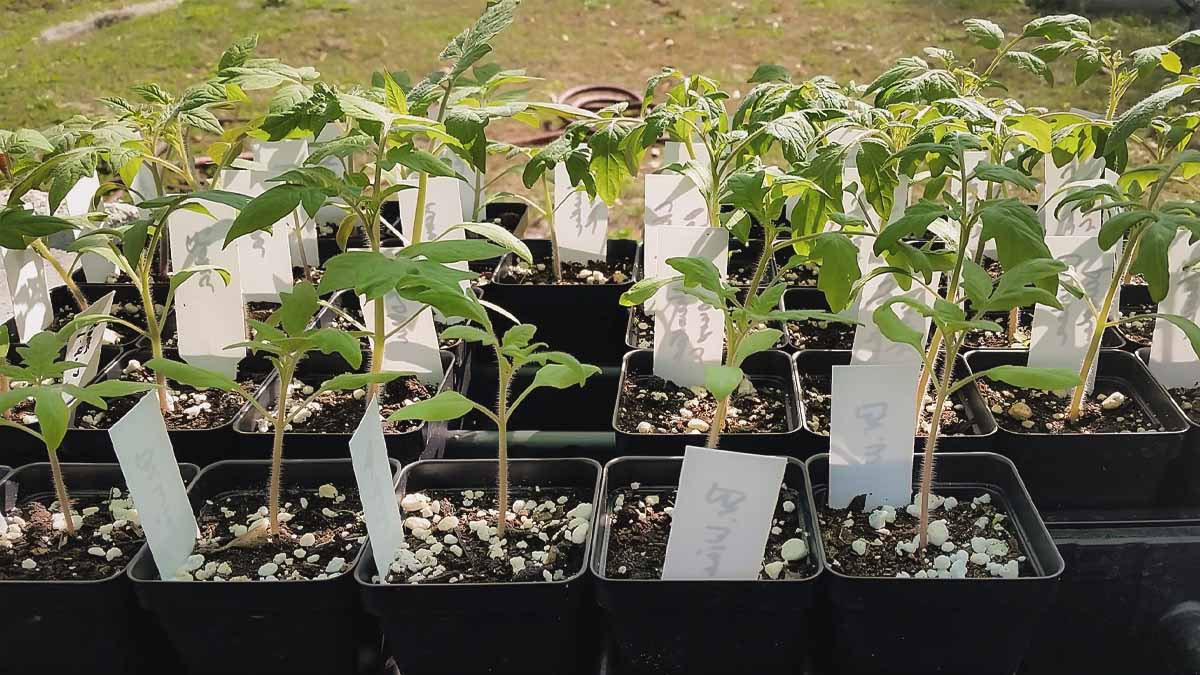
As your starts begin maturing and putting on their true leaves, you know transplant time is getting close.
Transplanting can be stressful because it is common to lose plants to transplant shock. When plants spend the first part of their lives indoors or in a controlled environment and are then suddenly moved outside into the garden, they can become shocked by the change in conditions. Heat, cold, sunlight, wind, and rain can all damage young plants if they are not used to those elements.
That is why it is important to gradually expose them to outdoor conditions a little at a time. This process is called “hardening off.”
How to Harden Off Transplants
The idea behind hardening off is simple. Set your plants outside for a limited amount of time each day, preferably on a mild overcast day or in the shade at first.
Some gardeners recommend putting plants out for one hour the first day, two hours the second day, and increasing the time a little each day until they are ready to transplant.
Watch them closely. If you see signs of wilting, burning, or shriveling, bring them back inside. It also helps to water them well before setting them outdoors.
Know the Hardiness of Your Plants
Knowing the hardiness of your plants will help you decide when to set them outside, under what conditions, and for how long.
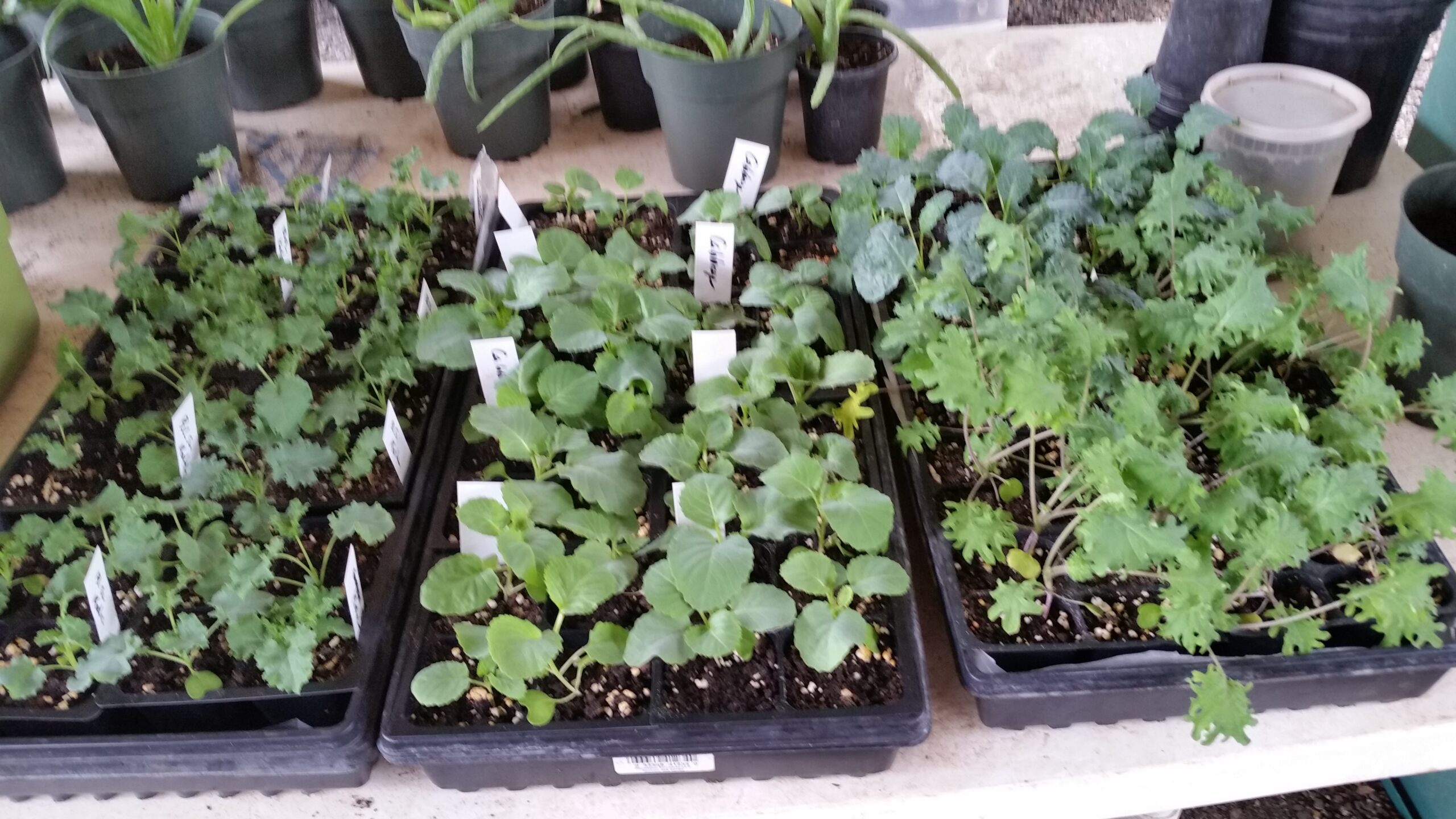
A plant’s hardiness is simply its ability to handle harsh conditions. Vegetables such as broccoli, cabbage, and onions are very hardy and can tolerate cold temperatures down to about 35 degrees Fahrenheit, sometimes even lower when the plants are older.
That tells you these plants can usually handle cool weather fairly well and should be gradually exposed to outdoor conditions as transplant time approaches. In fact, many gardeners and farmers start brassicas like broccoli and cabbage outdoors because they are such tough seeds and can germinate during cooler weather.
For the most part, indoor seed starting is usually saved for the more tender plants.
For more information, see our guide on Seed Starting – Transplant or Direct Seed?
Tender Plants Need More Care
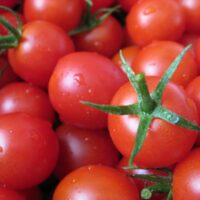
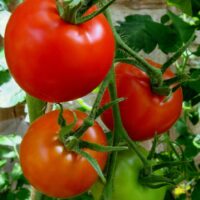
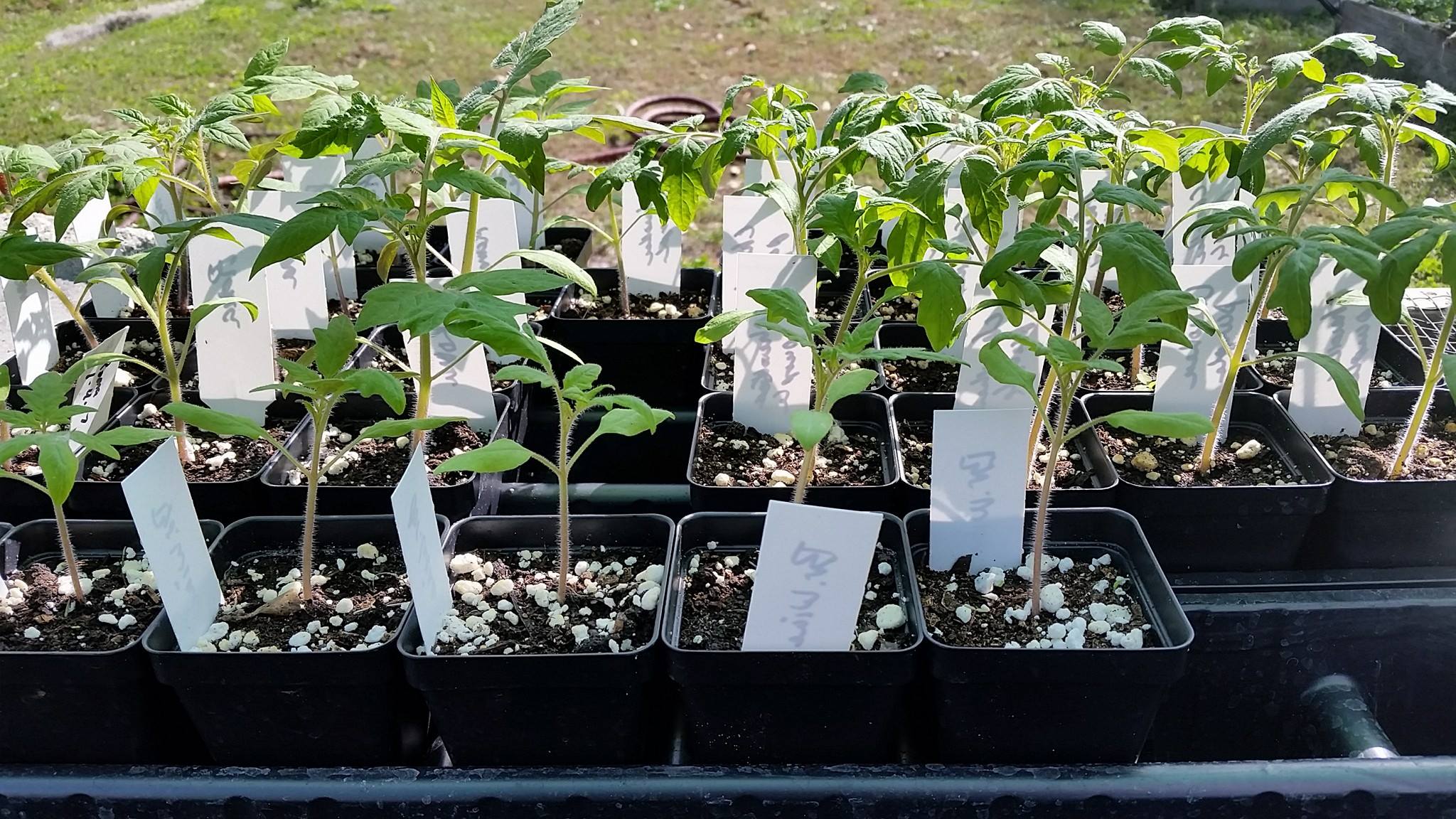
Tender vegetable plants include tomatoes, peppers, eggplants, watermelons, and summer squash.
These plants are more sensitive to weather conditions and need closer attention during the hardening off process. These are also the kinds of plants most often started indoors.
When setting them outside, keep a close eye on them because too much heat, too much cold, strong wind, or too much direct sun can kill young plants quickly.
For the first few days, it helps to protect them with grow cloth, a greenhouse dome, or even an upside-down grow tray to shield them from wind, rain, and strong sunlight.
How Long Does Hardening Off Take?
Hardening off usually takes about 7 to 10 days. For more tender plants, such as tomatoes, it can take up to 14 days.
It is worth the extra time. Gradually toughening plants up before transplanting helps reduce stress and gives them a much better chance of doing well in the garden.