October is the month. For what?
Planting just about all fall and winter crops.
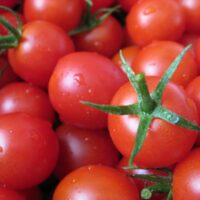
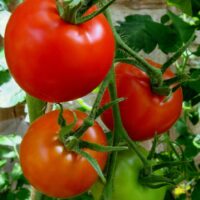
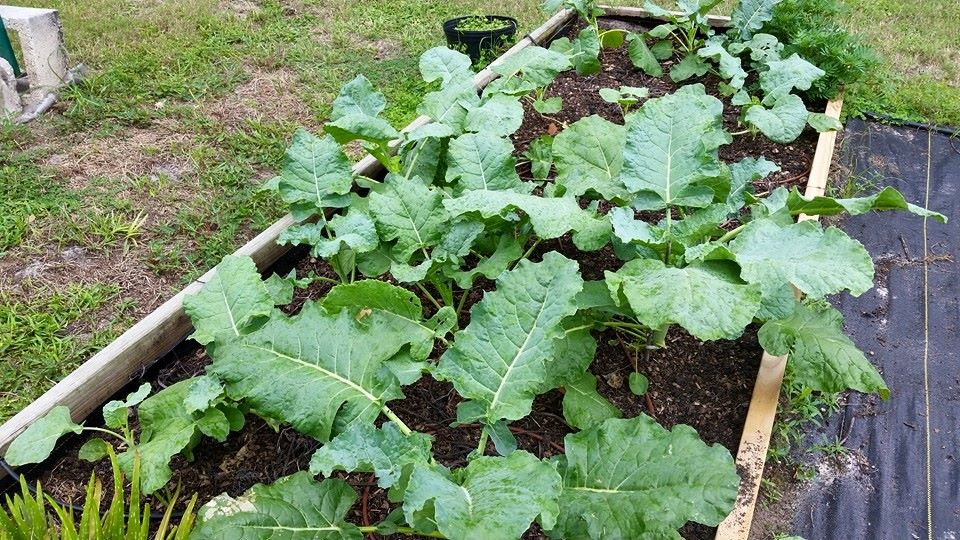
Actually, if you planted as early as I did, you may already be harvesting some things now. I have been bringing in sugar snap peas, cucumbers, zucchini, radishes, small celery, kale, and some lettuce. My corn, cabbage, broccoli, beans, and tomatoes are almost ready.
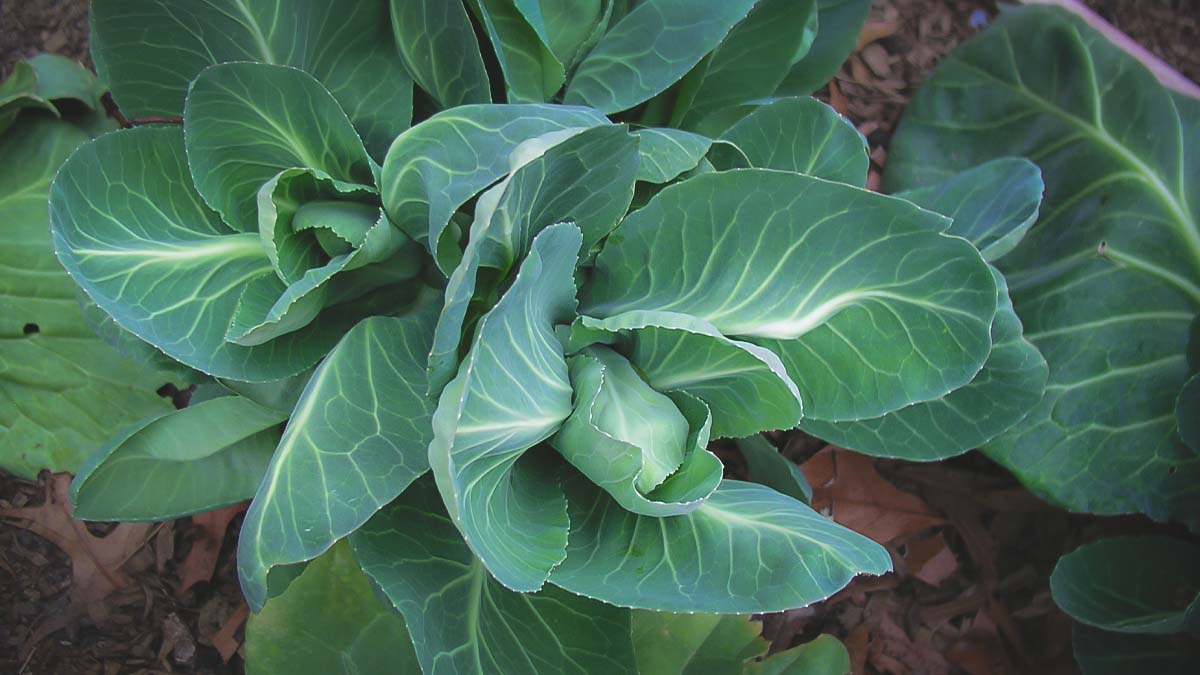
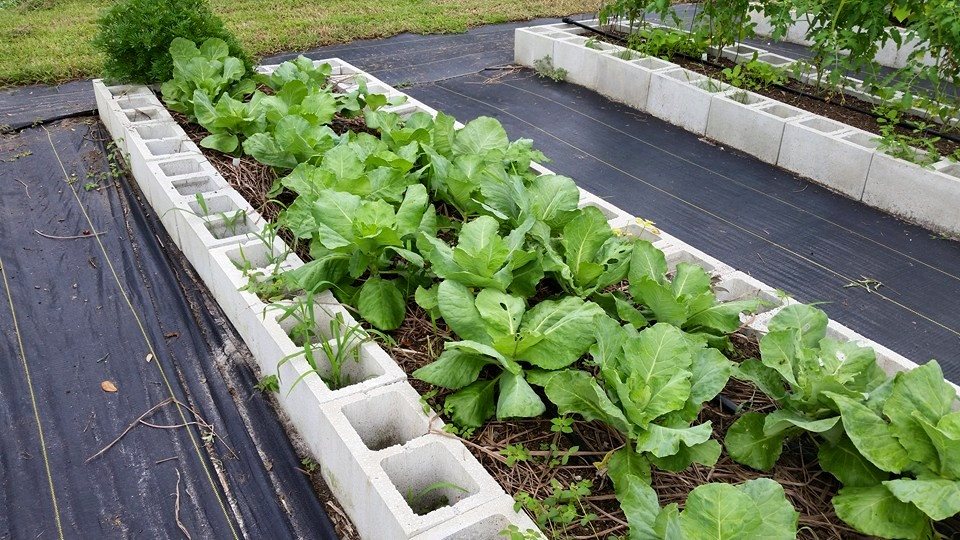
I like to push the envelope and see how early I can plant and still be successful. This season I learned that the cabbage and broccoli I planted around August 26 were a little stunted at first. They picked up and are doing great now, but next time I will either give them some shade or plant a week or so later.
I also learned that the cucumbers I planted on August 7 did not do as well as the ones I planted on September 8. Next time I will wait.
This kind of information always goes into my garden notes. Keeping a journal or garden notes is a great way to solve future problems, and I highly suggest it.
Keep Planting for Continued Harvests
I plant more of most of these crops, excluding the warm-weather crops, every 4 weeks or so until mid-November. That way I can keep harvesting through the winter and into spring.
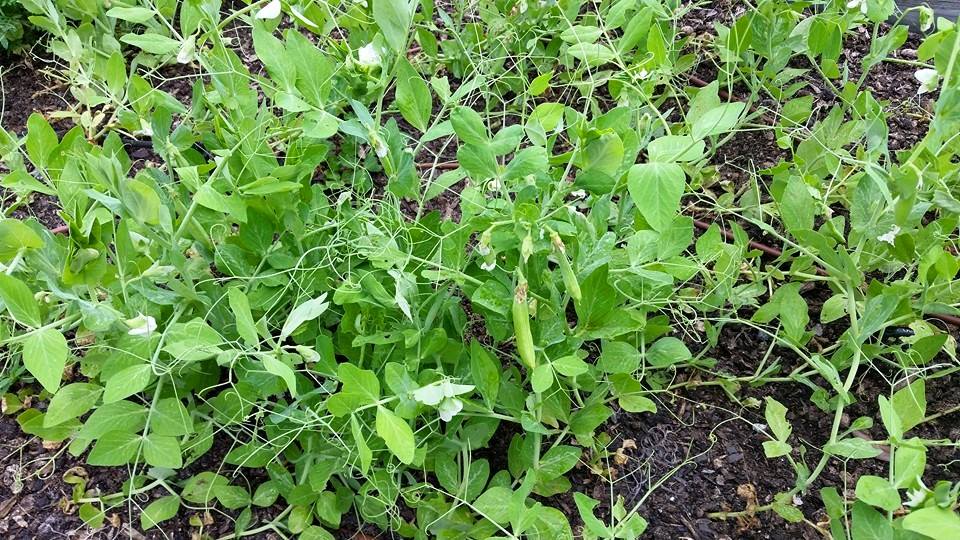
If you love peas but hate shelling them like I do, try edible pod peas like Sugar Ann Snap Peas. They are sweet and hard to resist. Even though you will eat them while you are picking them because they are as good raw as cooked, they are so prolific you should still have plenty to bring inside. I plant these every 3 weeks or so. I can never have enough, and they freeze really well.
What to Plant in October
Here is what we can plant in October:
Broccoli
Cabbage
Kale
Carrots
Celery
Collards
Lettuce
Mustard Greens
Onions
Parsley
Peas, both edible pod and shelling
Radishes
Chard
Chinese cabbage / Napa
Kohlrabi
Beets
Potatoes
Turnips
Cauliflower
Spinach
Most of these can be planted again and again until March.
A Few Tips
Carrots
When sowing carrot seeds, be sure to plant them in topsoil or a fine layer of compost so they stay covered and moist. In other words, avoid chunky material or loose mulch directly around the seed. Mulch can go on top as a layer, but the seed itself needs good contact with fine soil.
Water by hand or overhead twice a day until they sprout and are a few inches tall. After that, regular drip irrigation should be enough.
Radishes and Other Root Crops
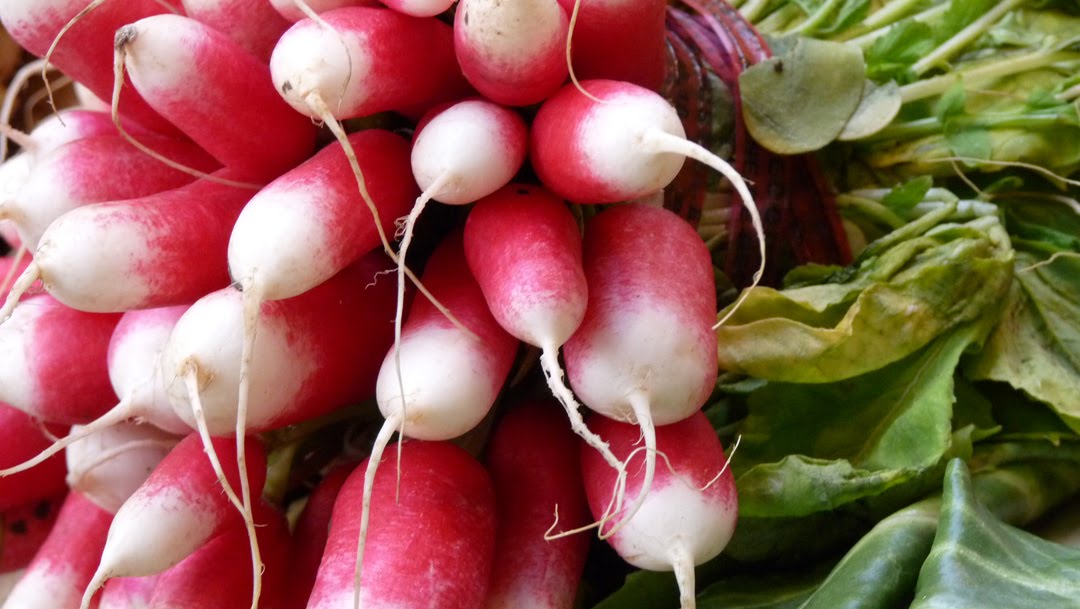
These are larger seeds, but they still need rich soil that is not too loose. If the soil is too loose, radishes can push up out of the ground too early.
Lettuce
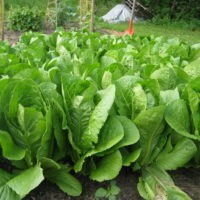
Lettuce seed is very small and light, even lighter than carrot seed, so keeping it moist until it sprouts is important.
Watch the Changing Sun
Check your garden area for shady spots now that the sun is moving. You will notice some places start getting shade much sooner now, and that will continue as the months go on.
As a general rule, morning sun and afternoon shade is ideal. Try to give fall and winter crops 6 to 8 hours of sunlight.
Final Thoughts
October is one of the best planting months of the season. If you keep sowing in stages and pay attention to what works best in your garden, you can enjoy a long harvest season.
Take notes, keep planting, and let the garden teach you.