Knowing how much cold your vegetables can handle helps a lot when planning your garden.
Some crops are very sensitive to frost and cold weather, while others can handle light freezes or even lower temperatures. This chart is a general guide to help you understand which vegetables are frost-sensitive, frost-tolerant, semi-hardy, and hardy.
Keep in mind that weather conditions such as wind, humidity, and sudden temperature drops can still affect plants, even when they are considered cold hardy.
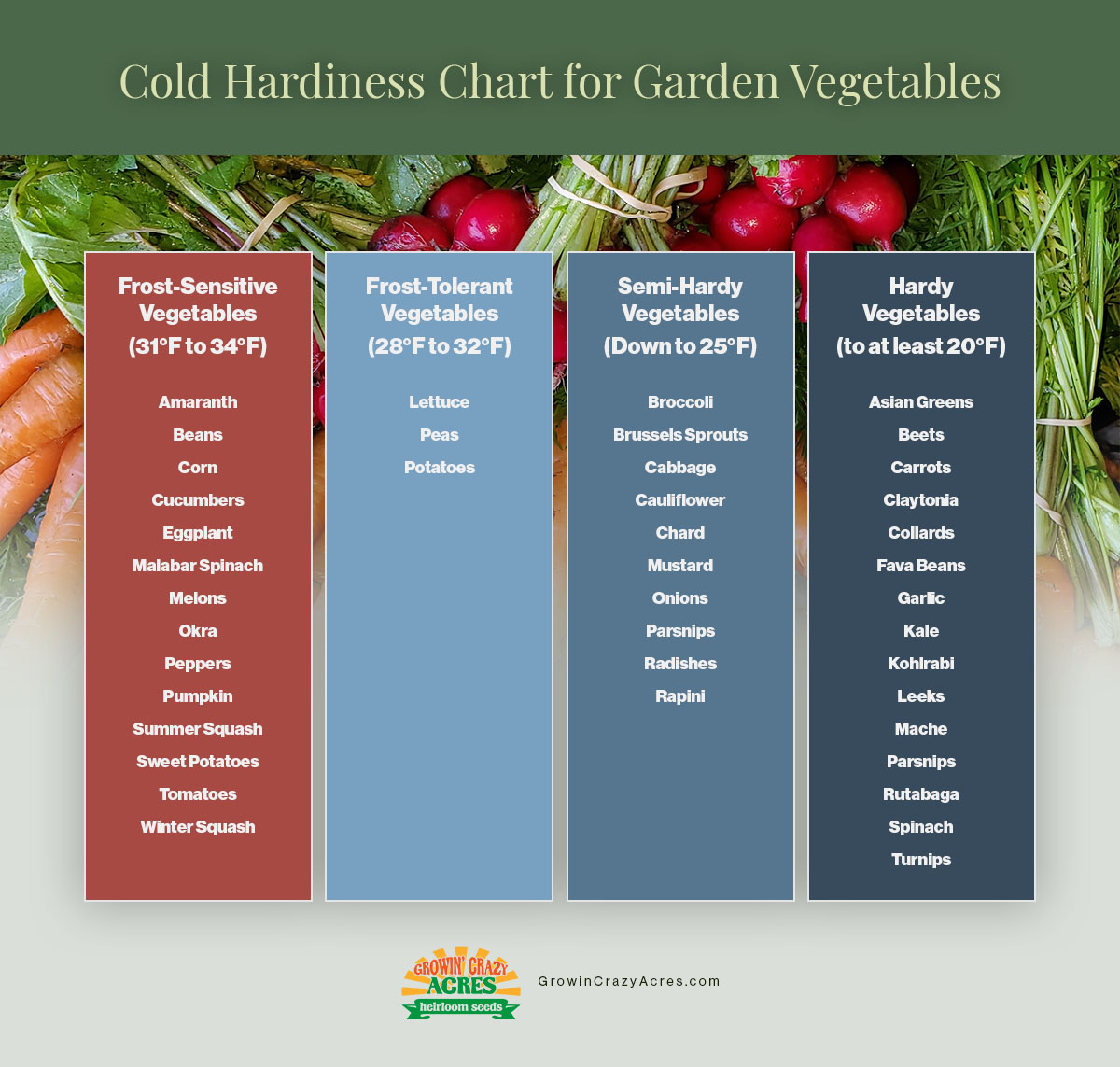
Frost Sensitive Vegetables
About 31°F to 34°F
These are the most tender vegetables and should be protected from frost:
- Amaranth
- Beans
- Corn
- Cucumbers
- Eggplant
- Malabar Spinach
- Melons
- Okra
- Peppers
- Pumpkin
- Summer Squash
- Sweet Potatoes
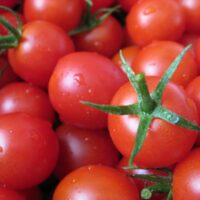
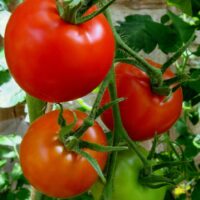
- Tomatoes
- Winter Squash
Frost-Tolerant Vegetables
About 28°F to 32°F
These vegetables can usually handle a light frost:
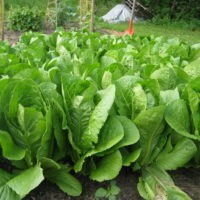
- Lettuce
- Peas
- Potatoes
Semi-Hardy Vegetables
Down to About 25°F
These crops can tolerate colder weather and light freezes:
- Broccoli
- Brussels Sprouts
- Cabbage
- Cauliflower
- Chard
- Mustard
- Onions
- Parsnips
- Radishes
- Rapini
Hardy Vegetables
To at Least 20°F
These are the toughest of the group and can handle much colder temperatures:
- Asian Greens
- Beets
- Carrots
- Claytonia
- Collards
- Fava Beans
- Garlic
- Kale
- Kohlrabi
- Leeks
- Mache
- Parsnips
- Rutabaga
- Spinach
- Turnips
A Few Things to Keep in Mind
These temperatures are general guidelines. Some varieties are more cold tolerant than others, and young plants can be more tender than mature plants.
Sudden temperature drops without gradual conditioning can also hurt plants. Even cold-hardy vegetables may need protection during harsh winter weather for best quality.
Final Thoughts
This chart is a helpful guide when deciding what to plant during cooler weather and what needs protection from frost or freezing temperatures.
Always watch your local weather and use covers or protection when needed, especially with tender plants.