How to Grow Lettuce in Warm Weather (Southern Gardening Guide)
Lettuce is often thought of as a cool-season crop, but with the right approach, it can be successfully grown in warm Southern climates.
By choosing the right varieties and adjusting your growing methods, you can enjoy fresh lettuce even as temperatures rise.
Whether you are growing lettuce for full heads or harvesting baby greens, understanding how lettuce responds to heat is key to success.
Why Lettuce Struggles in Heat
Lettuce naturally prefers cooler temperatures. When exposed to heat, it tends to:
- Bolt quickly (produce flowers and seeds)
- Develop a bitter taste
- Stop producing tender leaves
This is why many gardeners struggle to grow lettuce in Southern climates during warmer months.
Choosing Heat-Tolerant Lettuce Varieties
Not all lettuce varieties respond the same to heat.
Heat-tolerant types include:
- Loose leaf lettuce
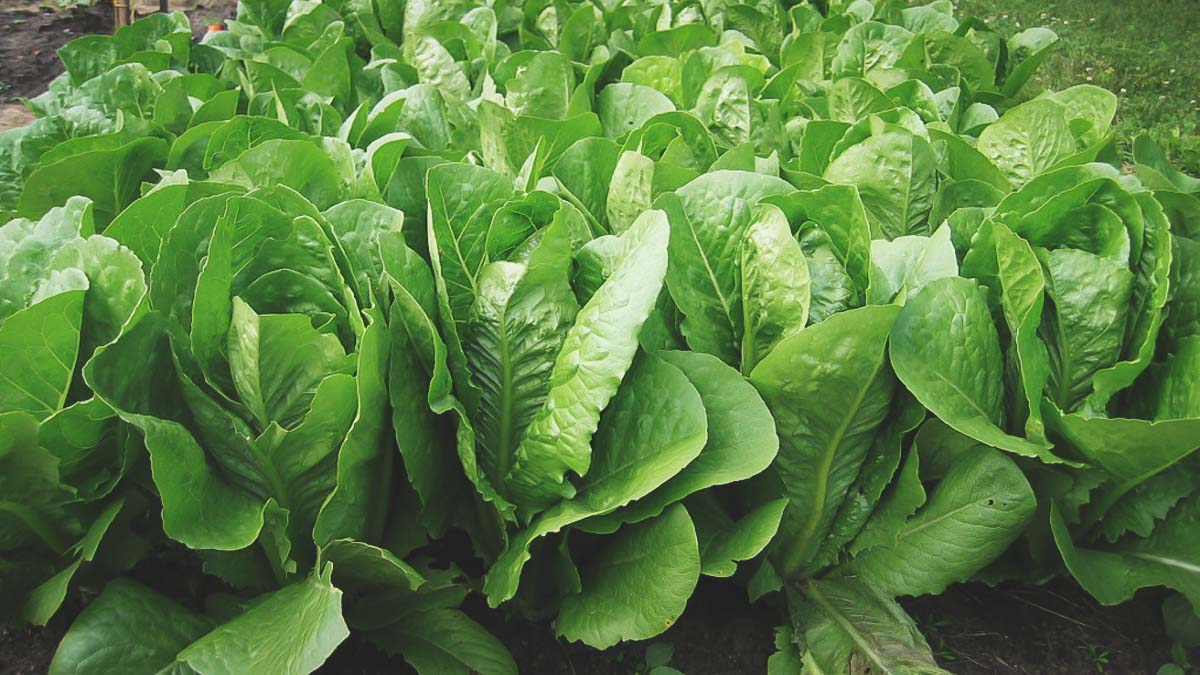
- Romaine lettuce
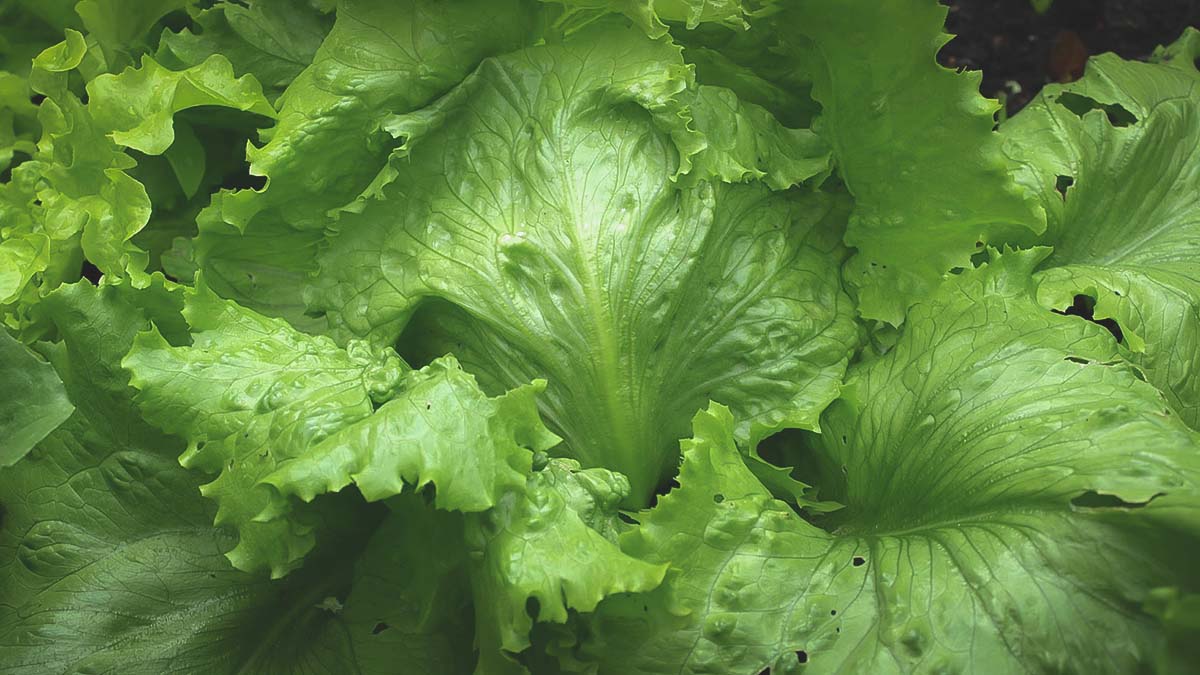
- Butterhead lettuce (some varieties)
Loose leaf varieties are especially popular because they grow quickly and can be harvested continuously.
When to Plant Lettuce in the South
Timing is one of the most important factors when growing lettuce in warm climates.
Best Planting Times
- Early spring before temperatures rise
- Late summer for fall harvests
- Mild winter months in some Southern regions
For exact planting windows, refer to the Southern Vegetable Planting Calendar.
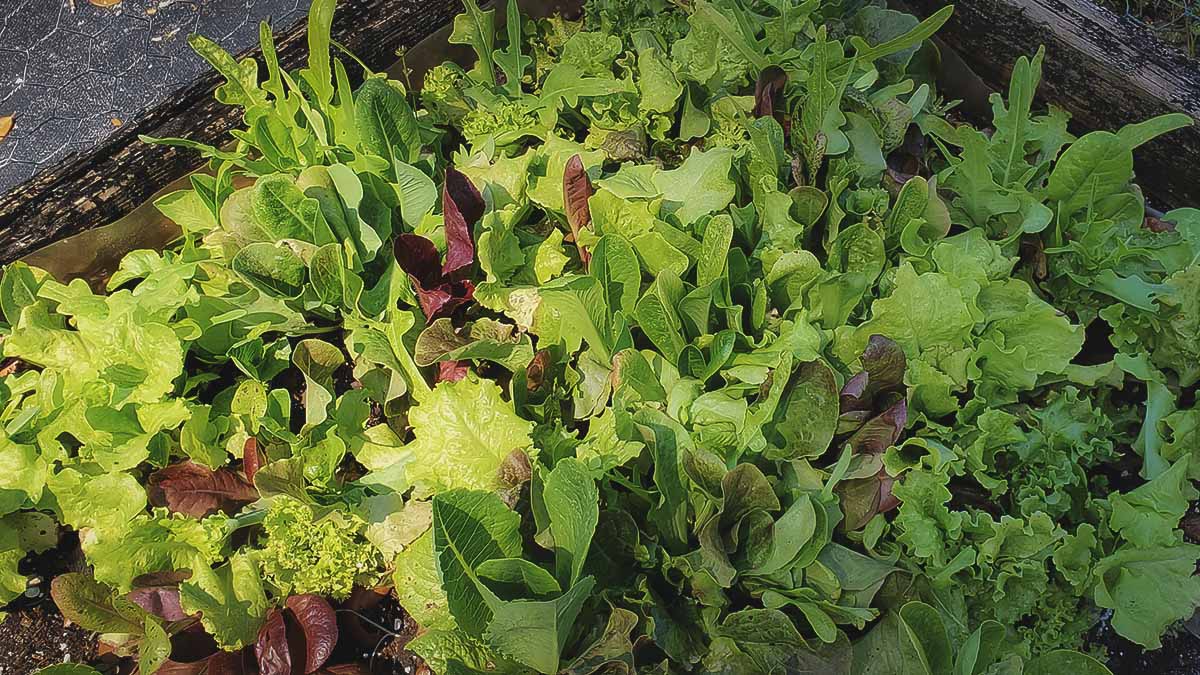
Growing Lettuce as Baby Greens
One of the best strategies for Southern gardeners is growing lettuce as baby greens.
Baby greens are harvested when plants are small, typically between 3–6 inches tall.
Benefits include:
- Faster harvest times
- More tender leaves
- Less exposure to heat stress
This method allows you to enjoy lettuce even during warmer periods.
Lettuce is one of many crops that can thrive with proper care—see our Best Vegetables for Southern Gardens for more ideas.
Providing Shade for Lettuce
Shade can significantly extend the lettuce growing season.
Helpful techniques include:
- Planting in partial shade
- Using shade cloth
- Growing under a porch or covered area
Reducing direct sunlight helps keep plants cooler and slows bolting.
Watering Lettuce Properly
Consistent moisture is essential for growing lettuce in warm conditions.
Best practices:
- Water regularly to keep soil moist
- Avoid letting soil dry out completely
- Use mulch to retain moisture
Dry soil combined with heat will cause lettuce to bolt quickly.
Soil Preparation for Lettuce
Lettuce grows best in rich, well-draining soil.
Before planting:
- Add compost or organic matter
- Loosen soil for proper root growth
- Choose a location with good drainage
Healthy soil helps lettuce grow quickly and resist stress.
Preventing Lettuce from Bolting
Bolting is one of the biggest challenges when growing lettuce in warm weather.
To reduce bolting:
- Plant early or late in the season
- Provide shade during hot afternoons
- Keep soil consistently moist
- Harvest frequently
Harvesting leaves regularly encourages continued growth and delays flowering.
Harvesting Lettuce
Lettuce can be harvested in different ways depending on your preference.
Baby Greens
Harvest leaves when they are 3–6 inches tall.
Cut-and-Come-Again
Harvest outer leaves while leaving the center intact so the plant continues producing.
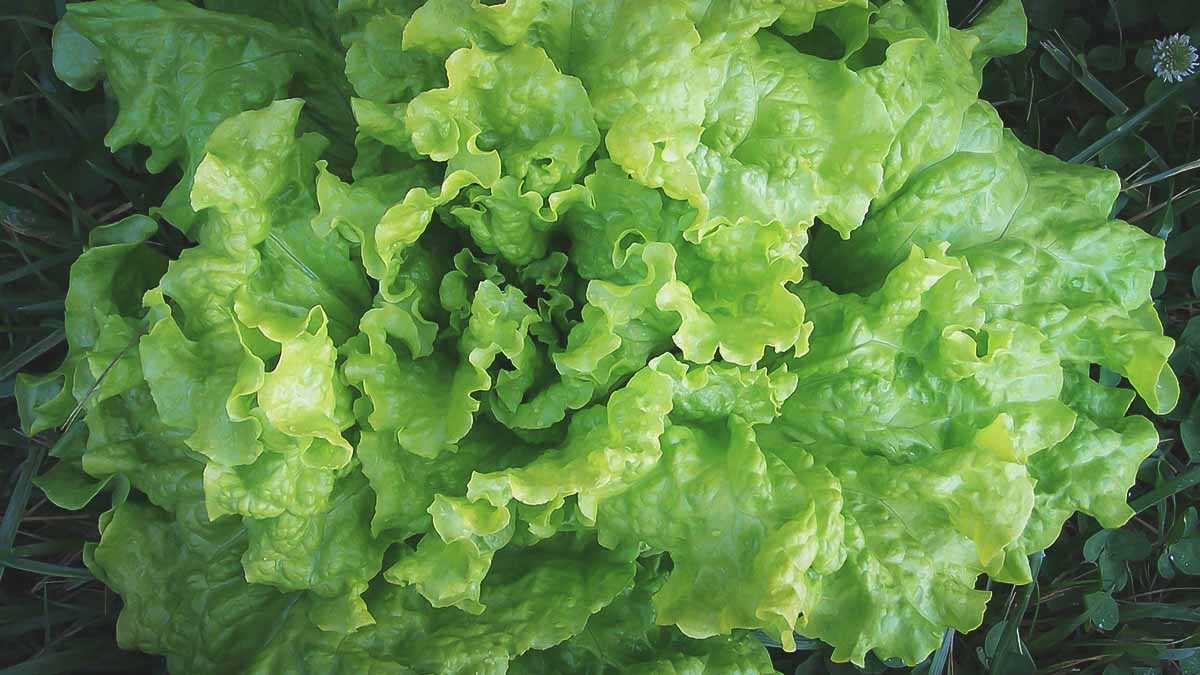
Full Head Harvest
Allow lettuce to mature fully, then harvest the entire plant.
Growing Lettuce Successfully in Southern Gardens
While lettuce prefers cooler conditions, Southern gardeners can still enjoy fresh harvests by adjusting timing and technique.
Growing lettuce as baby greens, providing shade, and maintaining consistent moisture are the keys to success.
With the right approach, lettuce can be a productive and rewarding crop even in warm climates.
For a complete overview of growing in warm climates, see our Complete Guide to Southern Gardening.