Aphids on Vegetable Plants: How to Identify and Control Them
Aphids are one of the most common pests found in vegetable gardens. These tiny insects may be small, but large populations can quickly damage plants by feeding on their sap and spreading plant diseases.
Aphids reproduce rapidly, which means a small infestation can grow into a much larger problem if left unchecked.
The good news is that aphids are usually easy to control once you recognize the signs and take action early.
What Are Aphids?
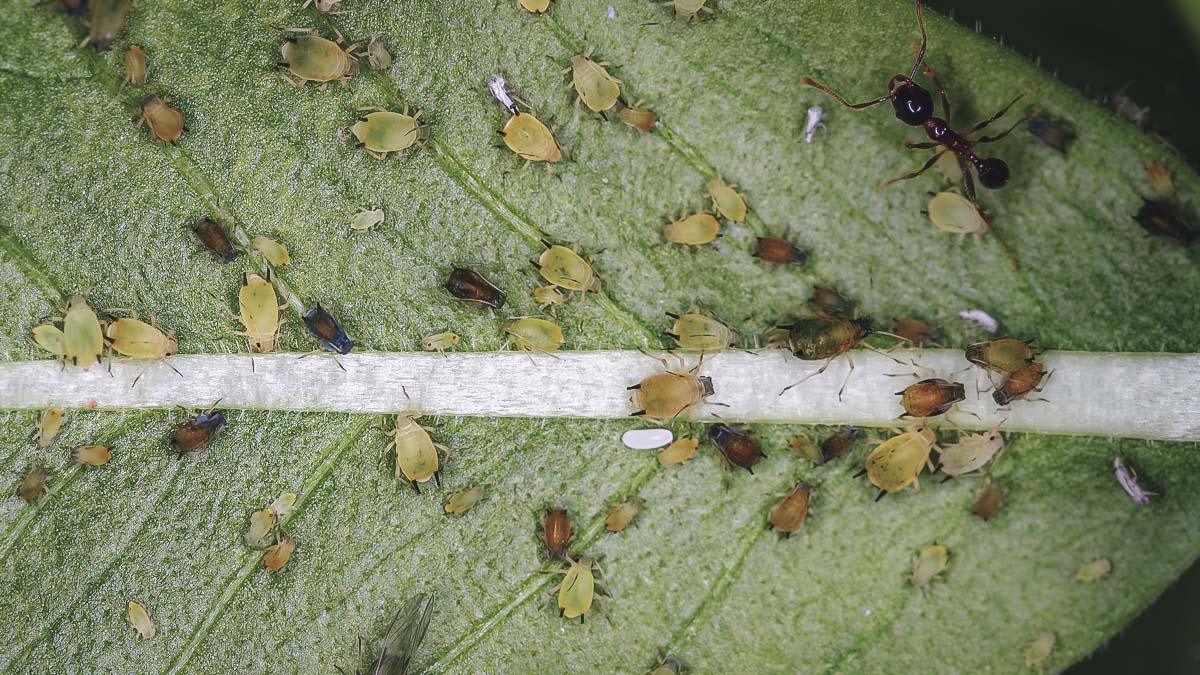
Aphids are small, soft-bodied insects that feed on plant sap. They are often found clustered on the undersides of leaves or along plant stems.
Aphids come in several colors, including:
- Green
- Black
- Yellow
- Brown
- Pink
Most aphids are only about 1/16 inch long, but they often gather in large groups that make them easier to spot.
Because they reproduce quickly, aphids can spread rapidly across multiple plants in the garden.
Plants Commonly Affected by Aphids
Aphids feed on many types of plants, including vegetables, flowers, and ornamental plants.
Common vegetable garden plants affected by aphids include:
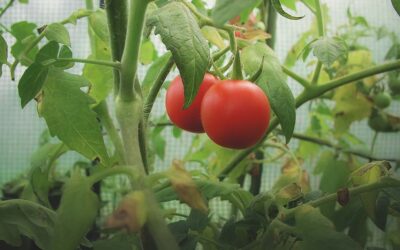
- Tomatoes
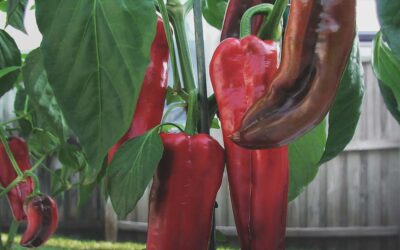
- Peppers
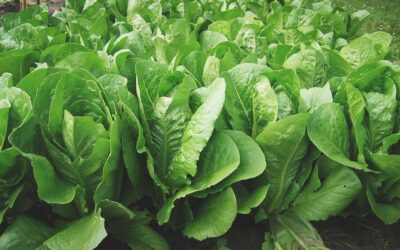
- Kale
- Lettuce
- Beans
- Cucumbers
- Squash
Young plants and tender new growth are especially attractive to aphids.
Signs of Aphid Damage
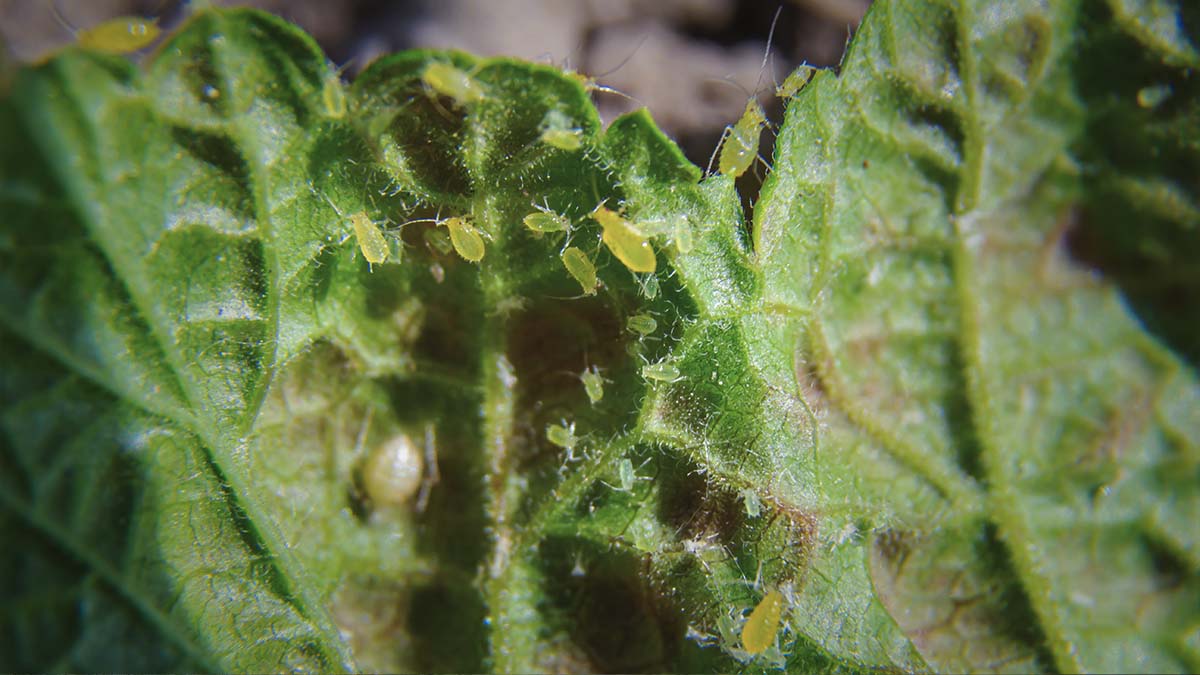
Aphids damage plants by piercing leaves and stems to suck out plant juices.
Signs of aphid infestations include:
- Curled or distorted leaves
- Sticky residue on leaves or stems
- Yellowing foliage
- Stunted plant growth
The sticky substance left behind by aphids is called honeydew. This sugary residue can attract ants and encourage the growth of black mold known as sooty mold.
Why Aphids Spread Quickly
One reason aphids can become such a problem is their incredibly fast reproduction rate.
Many aphids can reproduce without mating, giving birth to live young that mature quickly and begin reproducing within days.
This rapid reproduction means that even a few aphids can become a large colony in a short amount of time.
Regular garden inspection helps catch infestations early.
Natural Ways to Control Aphids
Fortunately, aphids are often easy to control using natural methods that are safe for the garden ecosystem.
Spray Plants with Water
A strong spray of water from a garden hose can knock aphids off plant leaves and stems.
This method works best for light infestations and may need to be repeated every few days.
Use Insecticidal Soap
Insecticidal soap is a common and effective treatment for aphids.
It works by disrupting the insects’ outer coating and dehydrating them.
Always follow product instructions and apply thoroughly to affected plants, including the undersides of leaves.
Encourage Beneficial Insects
Many insects naturally feed on aphids and help keep populations under control.
Beneficial insects include:
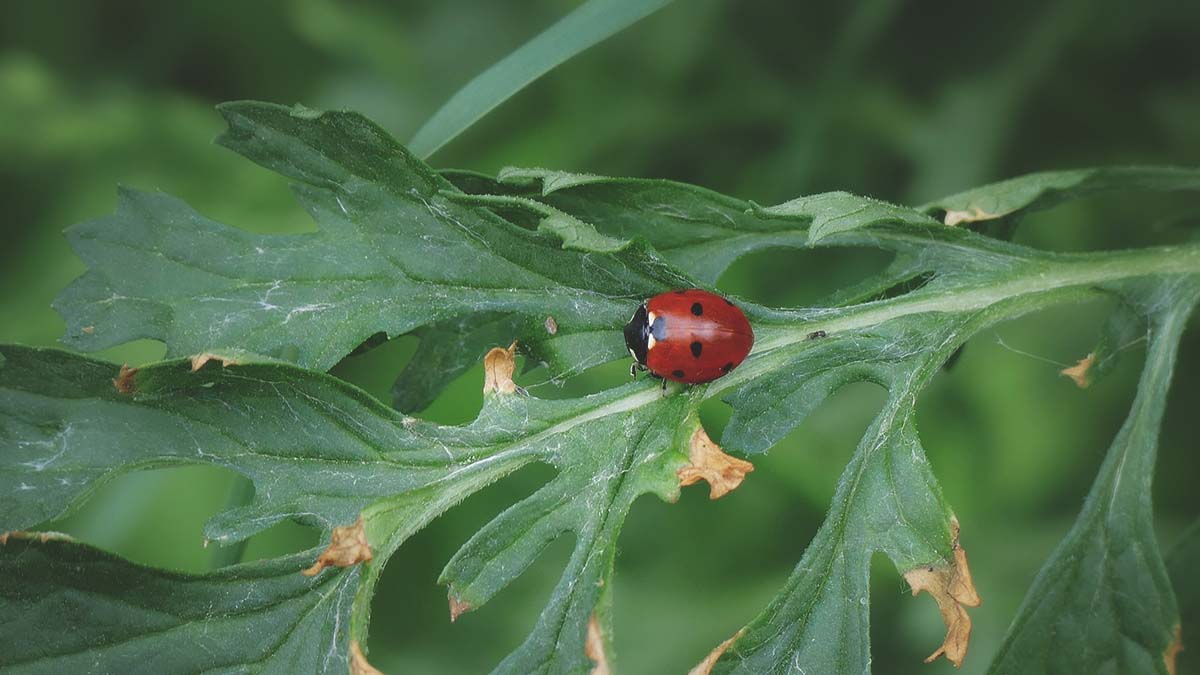
- Ladybugs
- Lacewings
- Parasitic wasps
Planting flowers and maintaining a diverse garden environment can attract these helpful predators.
Remove Heavily Infested Leaves
If certain leaves or stems are heavily covered in aphids, pruning them off can quickly reduce the population.
Dispose of removed plant material away from the garden.
Preventing Aphids in the Garden
While aphids may occasionally appear in any garden, several practices can help reduce future infestations.
Helpful prevention strategies include:
- Inspect plants regularly for early signs of pests
- Avoid excessive fertilizer that encourages tender new growth
- Encourage beneficial insects
- Keep plants healthy with proper watering and soil care
Healthy plants are better able to tolerate minor pest damage.
Aphids and Ants
Gardeners sometimes notice ants traveling up and down plant stems when aphids are present.
Ants are attracted to the honeydew produced by aphids and may actually protect aphids from predators.
If ants are present, controlling them may also help reduce aphid populations.
Managing Aphids in Your Vegetable Garden
Aphids are a common challenge for gardeners, but they rarely cause serious long-term damage when managed early.
Regular monitoring and simple control methods can keep aphid populations under control and protect your vegetable plants.
By maintaining healthy plants and encouraging beneficial insects, gardeners can often manage aphids naturally while maintaining a balanced garden ecosystem.